




Hey there, fellow camping enthusiasts! As a supplier in the camping system biz, I'm stoked to chat about one of the most crucial elements of a top - notch camping setup: insulation.
So, what exactly is the insulation of a camping system? Well, it's like the cozy blanket that keeps your camping experience comfortable, no matter what Mother Nature throws at you. Insulation in a camping system is all about managing heat transfer. Whether it's keeping the cold out in the winter or the heat out in the summer, proper insulation is key.
Let's break it down a bit. There are different parts of a camping system where insulation plays a vital role. First off, we've got the tent. A well - insulated tent can make a world of difference. You know those freezing nights when you're shivering in your sleeping bag? A tent with good insulation can trap the heat you generate inside, so you wake up feeling warm and toasty instead of like a human icicle.
There are a few ways tents are insulated. Some use special fabrics that have insulating properties built right in. These fabrics are designed to slow down the transfer of heat. For example, they might have multiple layers with air pockets in between. Air is a great insulator because it doesn't conduct heat well. So, when you've got these air pockets in the tent fabric, they act like little barriers, keeping the heat inside.
Another way tents can be insulated is through the use of liners. You can add a thermal liner to your tent. It's like an extra layer of protection. Liners can be made from materials like fleece or other soft, insulating fabrics. They're easy to install and can really boost the warmth of your tent.
Now, let's talk about sleeping bags. These are your personal insulation cocoons when you're out camping. A high - quality sleeping bag with good insulation is essential. The insulation in sleeping bags is usually made from either down or synthetic materials.
Down insulation is super popular. It comes from the soft feathers of ducks or geese. Down is incredibly lightweight and has excellent insulating properties. It can compress really well, making it easy to pack in your backpack. But it does have a downside. Down loses its insulating power when it gets wet. So, if you're camping in a damp environment, you might want to think twice about using a down sleeping bag.
On the other hand, synthetic insulation is a great alternative. It's made from man - made materials like polyester. Synthetic insulation doesn't lose its insulating power when wet, which is a huge plus. It's also usually more affordable than down. And it dries faster, so if it does get wet, you won't be stuck with a soggy, useless sleeping bag for long.


But insulation isn't just about keeping warm. It's also important for keeping cool in the summer. When it's scorching outside, you want your camping system to keep the heat at bay. In the tent, you can use reflective materials on the outside. These materials reflect the sun's rays, preventing them from heating up the inside of the tent. Some tents even have vents that are designed to promote air circulation. This helps to keep the air inside the tent fresh and cool.
For sleeping bags, there are also summer - specific models. These sleeping bags have less insulation, so you don't overheat. They're made from breathable materials that allow air to flow through, keeping you comfortable even on hot nights.
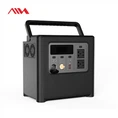
Now, let's touch on the role of insulation in relation to power sources in a camping system. When you're out camping, you might need a power source for things like charging your phone, running a small fan, or using a lantern. That's where our 1000W Portable Generator For Outdoor Camping comes in handy. It's a powerful generator that can provide you with the energy you need. And proper insulation in your camping setup can actually help you save on power. For example, if your tent is well - insulated, you won't need to run a heater for as long to keep warm, which means you'll use less power from the generator.
Similarly, our 600W Solar Portable Power Station is a great option. It harnesses the power of the sun to charge your devices. And if your camping system is well - insulated, you can use the power more efficiently. For instance, a well - insulated tent won't heat up as quickly in the sun, so you won't need to use a fan as much to stay cool, saving the power stored in the solar power station.
Our 500W Portable Generator For Outdoor Camping is another reliable choice. It's smaller and more portable, perfect for those who don't need as much power. And like the other power sources, proper insulation in your camping system can make your power usage more efficient.
So, why is all this insulation stuff so important? Well, it boils down to comfort and safety. When you're comfortable while camping, you're more likely to enjoy your experience. You'll sleep better, feel more relaxed, and have more fun exploring the great outdoors. And from a safety perspective, proper insulation can prevent hypothermia in cold weather and heatstroke in hot weather.
If you're in the market for a new camping system or just looking to upgrade your existing one, I'd love to chat with you. Whether you need advice on the best insulated tent, sleeping bag, or power source, I'm here to help. Feel free to reach out and we can start a conversation about how to make your next camping trip the best one yet.
References
- Outdoor Gear Lab: A great resource for reviews and information on camping gear, including insulation.
- REI Co - op Journal: Offers a lot of useful articles on camping and outdoor living, with insights on insulation in camping systems.