



When it comes to uninterruptible power supply (UPS) systems, the battery is a crucial component that ensures continuous power during outages. One of the key factors in maintaining the health and longevity of a UPS battery is understanding the maximum charge voltage. As a reliable UPS battery supplier, I'm here to delve into this topic and provide you with comprehensive insights.
The Basics of UPS Battery Charging
Before we discuss the maximum charge voltage, let's briefly understand how UPS batteries are charged. A UPS battery charger is designed to convert the incoming AC power from the mains into DC power to charge the battery. The charging process typically consists of three stages: bulk charging, absorption charging, and float charging.
During the bulk charging stage, the charger supplies a high current to the battery to quickly bring it up to a certain level of charge. Once the battery reaches a predefined voltage, the charger switches to the absorption charging stage. In this stage, the charger maintains a constant voltage while gradually reducing the charging current. Finally, when the battery is fully charged, the charger switches to the float charging stage, where it provides a low, constant voltage to keep the battery topped up without overcharging it.
Determining the Maximum Charge Voltage
The maximum charge voltage for a UPS battery depends on several factors, including the battery chemistry, the number of cells in the battery, and the manufacturer's specifications. Different battery chemistries have different optimal charging voltages, and exceeding these voltages can lead to a variety of problems, such as overheating, gassing, and reduced battery life.
Lead-Acid Batteries
Lead-acid batteries are the most commonly used type of battery in UPS systems. They are available in two main types: valve-regulated lead-acid (VRLA) batteries and flooded lead-acid (FLA) batteries.
- VRLA Batteries: VRLA batteries, also known as sealed lead-acid (SLA) batteries, are maintenance-free and do not require regular watering. The maximum charge voltage for a VRLA battery typically ranges from 2.30 to 2.40 volts per cell at 25°C (77°F). For a 12-volt VRLA battery, which consists of six cells, the maximum charge voltage would be between 13.8 and 14.4 volts.
- FLA Batteries: FLA batteries require regular watering to maintain the electrolyte level. The maximum charge voltage for an FLA battery is slightly higher than that of a VRLA battery, typically ranging from 2.40 to 2.45 volts per cell at 25°C (77°F). For a 12-volt FLA battery, the maximum charge voltage would be between 14.4 and 14.7 volts.
It's important to note that the maximum charge voltage may need to be adjusted based on the ambient temperature. As the temperature increases, the battery's internal resistance decreases, which can cause the charging current to increase. To prevent overcharging, the charge voltage should be reduced by approximately 0.003 volts per cell for every 1°C (1.8°F) increase in temperature.
Lithium-Ion Batteries
Lithium-ion batteries are becoming increasingly popular in UPS systems due to their high energy density, long lifespan, and low self-discharge rate. However, they require a more sophisticated charging algorithm to ensure safe and efficient charging.
The maximum charge voltage for a lithium-ion battery depends on the specific chemistry and the design of the battery pack. In general, the maximum charge voltage for a lithium-ion battery ranges from 4.2 to 4.35 volts per cell. For a 12-volt lithium-ion battery pack, which typically consists of three cells, the maximum charge voltage would be between 12.6 and 13.05 volts.
The Importance of Staying Within the Maximum Charge Voltage
Exceeding the maximum charge voltage can have serious consequences for the health and performance of a UPS battery. Here are some of the potential problems that can occur:
- Overheating: When a battery is overcharged, the excess energy is converted into heat, which can cause the battery to overheat. Overheating can accelerate the chemical reactions inside the battery, leading to increased self-discharge, reduced battery life, and even thermal runaway, which can result in a fire or explosion.
- Gassing: Overcharging can also cause the battery to produce excessive amounts of hydrogen and oxygen gas. In a sealed battery, such as a VRLA battery, this can lead to an increase in internal pressure, which can cause the battery to rupture or leak. In a flooded battery, the gassing can cause the electrolyte level to decrease, which can lead to dry-out and reduced battery performance.
- Reduced Battery Life: Overcharging can cause irreversible damage to the battery's electrodes and electrolyte, which can lead to a significant reduction in battery life. A battery that is consistently overcharged may need to be replaced prematurely, which can be costly and inconvenient.
Choosing the Right UPS Battery Charger
To ensure that your UPS battery is charged safely and efficiently, it's important to choose a charger that is compatible with the battery chemistry and the maximum charge voltage. Most UPS systems come with a built-in charger that is designed to work with the specific battery type and configuration. However, if you need to replace the charger or upgrade your UPS system, it's important to choose a charger that meets the manufacturer's specifications.
When choosing a UPS battery charger, look for a charger that has the following features:
- Adjustable Charge Voltage: A charger that allows you to adjust the charge voltage can be useful if you need to charge different types of batteries or if you need to compensate for temperature variations.
- Temperature Compensation: A charger that has temperature compensation capabilities can automatically adjust the charge voltage based on the ambient temperature, which can help prevent overcharging and extend the battery life.
- Charge Current Limiting: A charger that has charge current limiting capabilities can prevent the battery from being overcharged by limiting the charging current to a safe level.
Our UPS Battery Products
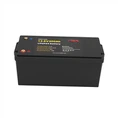
As a leading UPS battery supplier, we offer a wide range of high-quality UPS batteries to meet the needs of different applications. Our batteries are available in various chemistries, including lead-acid and lithium-ion, and are designed to provide reliable and long-lasting performance.
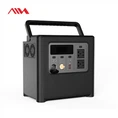
In addition to our UPS batteries, we also offer a range of portable power stations that are perfect for outdoor activities, emergency backup, and off-grid living. Our portable power stations are available in different power ratings, including 900W Solar Portable Power Station, SNE1000W Portable Power Station, and 1000W Solar Portable Power Station. These power stations are equipped with high-capacity batteries, multiple output ports, and built-in chargers, making them a convenient and versatile power solution.


Contact Us for More Information
If you have any questions about the maximum charge voltage for a UPS battery or if you're interested in our UPS battery products, please don't hesitate to contact us. Our team of experts is available to provide you with personalized advice and assistance to help you choose the right battery for your needs. We look forward to working with you and helping you ensure the reliability and performance of your UPS system.
References
- Battery University: https://batteryuniversity.com/
- IEEE Standard 1188-2018: IEEE Recommended Practice for Maintenance, Testing, and Replacement of Vented Lead-Acid Batteries for Stationary Applications
- UL 1778: Standard for Uninterruptible Power Supplies