


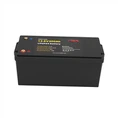

AGM (Absorbent Glass Mat) and GEL batteries are two popular types of valve-regulated lead-acid (VRLA) batteries, known for their maintenance-free operation, sealed design, and reliable performance in various applications. One critical aspect that often concerns users and system designers is the maximum surge current these batteries can handle. As an AGM GEL battery supplier, I am here to shed light on this important topic.
Understanding Surge Current
Surge current refers to a short-duration, high-amplitude current pulse that a battery may experience during its operation. This can occur when a load is suddenly connected or disconnected, during the starting of a motor, or in the event of a fault in the electrical system. Unlike the normal operating current, which is relatively stable and continuous, surge current can be several times higher than the rated current of the battery.
Factors Affecting the Maximum Surge Current of AGM GEL Batteries
1. Battery Capacity
The capacity of an AGM GEL battery, usually measured in ampere-hours (Ah), plays a significant role in determining its ability to handle surge current. Generally, larger capacity batteries can withstand higher surge currents. This is because they have more active material available to supply the additional current without causing a significant drop in voltage. For example, a 200Ah AGM GEL battery will typically be able to handle a higher surge current than a 100Ah battery of the same type.
2. Battery Design and Construction
The internal design and construction of the battery also impact its surge current handling capability. Batteries with thicker plates and lower internal resistance are better able to deliver high currents during a surge. AGM batteries, which use a fiberglass mat to absorb the electrolyte, tend to have lower internal resistance compared to some other battery types. This allows them to respond more quickly to sudden current demands. GEL batteries, on the other hand, have a gelled electrolyte, which provides better stability and can also contribute to good surge current performance, especially in applications where vibration and shock are common.
3. State of Charge (SOC)
The state of charge of the battery at the time of the surge is crucial. A fully charged battery will have a higher voltage and more available energy, enabling it to handle a larger surge current. As the battery discharges, its voltage decreases, and its ability to supply high currents is reduced. Therefore, it is important to ensure that the battery is maintained at an appropriate state of charge to optimize its surge current performance.
4. Temperature
Temperature has a significant influence on the performance of AGM GEL batteries, including their surge current handling ability. At lower temperatures, the chemical reactions within the battery slow down, increasing the internal resistance. This can limit the battery's ability to deliver high currents during a surge. Conversely, at higher temperatures, the battery may experience accelerated self-discharge and degradation, which can also affect its performance. Most AGM GEL batteries are designed to operate within a specific temperature range, typically between 20°C and 25°C, for optimal performance.
Measuring the Maximum Surge Current
Determining the maximum surge current that an AGM GEL battery can handle is not a straightforward task, as it depends on multiple factors as mentioned above. Battery manufacturers usually provide specifications for the maximum surge current in their product datasheets. These values are typically given as a multiple of the battery's rated current and are measured under specific test conditions, such as a certain temperature and state of charge.
For example, a datasheet might state that a particular AGM GEL battery can handle a surge current of 5 times its rated current for a duration of 10 seconds. This means that if the battery has a rated current of 20A, it should be able to withstand a surge current of up to 100A for 10 seconds without significant damage. However, it is important to note that these values are only guidelines, and actual performance may vary depending on the real-world operating conditions.
Applications and Surge Current Requirements
1. Uninterruptible Power Supplies (UPS)
In UPS systems, AGM GEL batteries are commonly used to provide backup power in the event of a mains power failure. When the power goes out, the battery needs to quickly supply power to the connected equipment. This often involves a surge current as the load is suddenly transferred from the mains to the battery. The surge current requirements for UPS applications can vary depending on the size and type of the connected equipment, but they typically range from a few times to several tens of times the rated current of the battery.
2. Automotive and Marine Applications
In automotive and marine applications, AGM GEL batteries are used to start the engine. The starting process requires a large surge current to crank the engine. The maximum surge current needed for engine starting can be very high, sometimes exceeding 1000A for a short period. Batteries used in these applications need to be specifically designed to handle such high surge currents.
3. Renewable Energy Systems
Renewable energy systems, such as solar and wind power systems, also rely on AGM GEL batteries for energy storage. When there is a sudden increase in the load or a change in the charging conditions, the battery may experience a surge current. For example, in a solar power system, when the sun suddenly comes out after a period of cloud cover, the solar panels may generate a large amount of power, which can cause a surge current as the battery starts to charge.


Comparison with Other Battery Types
When considering the maximum surge current handling ability, it is also interesting to compare AGM GEL batteries with other battery types, such as lithium-ion batteries. Lithium-ion batteries, including Lifepo4 LFP Battery Pack 12v 300Ah Lithium Lon Battery Rechargeable Battery Pack For Home Energy Storage, 12V 100Ah LFP Battery SNR12100, and 12v 150ah Lifepo4 Solar Battery, generally have a lower internal resistance and can deliver high surge currents more efficiently. They also have a higher power density, which means they can store and release more energy in a smaller package. However, AGM GEL batteries have their own advantages, such as lower cost, better tolerance to overcharging and over-discharging, and a longer service life in some applications.
Ensuring Optimal Surge Current Performance
As a supplier of AGM GEL batteries, I recommend the following steps to ensure optimal surge current performance:
- Proper Sizing: Select a battery with a capacity and surge current rating that is appropriate for the specific application. Consider the maximum surge current requirements of the load and any potential fault conditions.
- Regular Maintenance: Perform regular maintenance on the batteries, including checking the state of charge, electrolyte level (if applicable), and terminal connections. This will help to keep the batteries in good condition and ensure their ability to handle surge currents.
- Temperature Management: Provide appropriate temperature control for the batteries, especially in applications where the ambient temperature can vary significantly. This may involve using insulation, ventilation, or heating/cooling systems.
- Load Management: Implement load management strategies to minimize the occurrence of large surge currents. For example, use soft-start devices for motors or distribute the load evenly across multiple batteries.
Conclusion
The maximum surge current that an AGM GEL battery can handle is a complex parameter that depends on various factors, including battery capacity, design, state of charge, and temperature. Understanding these factors is crucial for selecting the right battery for a particular application and ensuring its reliable performance. As an AGM GEL battery supplier, I am committed to providing high-quality batteries that meet the diverse needs of our customers. If you have any questions about our products or need assistance in selecting the appropriate battery for your application, please feel free to contact us for a detailed discussion and procurement negotiation.
References
- Battery University: A comprehensive online resource for battery knowledge and technology.
- Manufacturer datasheets for AGM GEL batteries.
- Industry standards and guidelines for battery applications.