



What is the Pay - back Period of a 30KWH Solar System?
As a supplier of 30KWH solar systems, I often get asked about the pay - back period of these systems. Understanding the pay - back period is crucial for customers as it helps them evaluate the financial viability of investing in a solar energy system. In this blog, I'll break down the factors that influence the pay - back period of a 30KWH solar system and provide some insights to help you make an informed decision.
Understanding the Basics of a 30KWH Solar System
A 30KWH solar system is a significant investment in renewable energy. It consists of solar panels, an inverter, and often a battery storage system. The solar panels capture sunlight and convert it into electricity, which can be used immediately or stored for later use. The inverter is responsible for converting the direct current (DC) electricity produced by the solar panels into alternating current (AC) electricity, which is used in most homes and businesses.
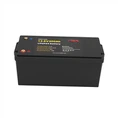
For battery storage, we offer several options. For instance, the LiFePO4 51.2V 200Ah 10Kwh Brick Battery is a great choice for those who need a reliable and efficient energy storage solution. It has a high energy density and a long cycle life, making it suitable for long - term use. Another option is the Brick 20KWh Battery For Home ESS, which provides a larger storage capacity for homes with higher energy demands. And the Solar Home 15KWh Brick 51.2v 300ah Lifepo4 ESS offers a balance between capacity and cost.
Factors Affecting the Pay - back Period
1. Initial Investment
The first and most obvious factor is the initial cost of the 30KWH solar system. This includes the cost of the solar panels, inverter, battery storage (if included), installation, and any necessary permits. The price can vary depending on the quality of the components, the brand, and the complexity of the installation. On average, a 30KWH solar system can cost anywhere from $15,000 to $30,000 or more. Higher - end systems with advanced features and better - quality components will generally have a higher upfront cost.
2. Energy Savings
The amount of money you save on your electricity bills is a major determinant of the pay - back period. The energy savings depend on several factors, such as the amount of sunlight your location receives, your energy consumption patterns, and the efficiency of the solar system. Areas with more sunlight will generate more electricity from the solar panels, resulting in higher energy savings. Similarly, if you have a high energy consumption and can use most of the electricity generated by the solar system, you'll see greater savings.
3. Government Incentives
Many governments offer incentives to encourage the adoption of solar energy. These incentives can include tax credits, rebates, and feed - in tariffs. Tax credits reduce the amount of tax you owe, while rebates provide a direct cash return on your investment. Feed - in tariffs allow you to sell excess electricity generated by your solar system back to the grid at a premium price. These incentives can significantly reduce the pay - back period of your solar system.
4. Maintenance Costs
Although solar systems are relatively low - maintenance, there are still some costs associated with upkeep. This includes regular cleaning of the solar panels, inspection of the inverter, and replacement of batteries over time. The maintenance costs can vary depending on the type of system and the components used. High - quality components generally require less maintenance and have a longer lifespan, which can reduce the overall maintenance costs.
Calculating the Pay - back Period
The pay - back period is calculated by dividing the initial investment by the annual energy savings. For example, if your 30KWH solar system costs $20,000 and you save $2,000 per year on your electricity bills, the pay - back period would be 10 years ($20,000 / $2,000). However, this calculation is a simplified version and does not take into account factors such as government incentives and maintenance costs.
A more accurate calculation would be:
Pay - back period = (Initial investment - Government incentives) / (Annual energy savings - Annual maintenance costs)


Let's assume that your 30KWH solar system costs $20,000, you receive a $5,000 tax credit, your annual energy savings are $2,000, and your annual maintenance costs are $200. The pay - back period would be:
Pay - back period = ($20,000 - $5,000) / ($2,000 - $200) = $15,000 / $1,800 ≈ 8.33 years
Real - World Examples
To give you a better idea of the pay - back period in different scenarios, let's look at a few real - world examples.
Example 1: Residential Use in a Sunny Location
A homeowner in a sunny area installs a 30KWH solar system with battery storage. The initial investment is $22,000, and they receive a $6,000 government rebate. The system generates enough electricity to cover most of their energy consumption, resulting in annual energy savings of $2,500. The annual maintenance costs are $300.
Pay - back period = ($22,000 - $6,000) / ($2,500 - $300) = $16,000 / $2,200 ≈ 7.27 years
Example 2: Commercial Use in a Moderately Sunny Location
A small business installs a 30KWH solar system. The initial investment is $25,000, and they receive a $4,000 tax credit. The system reduces their electricity bills by $2,000 per year, and the annual maintenance costs are $400.
Pay - back period = ($25,000 - $4,000) / ($2,000 - $400) = $21,000 / $1,600 ≈ 13.125 years
Conclusion
The pay - back period of a 30KWH solar system can vary widely depending on several factors. While it may seem like a significant investment upfront, the long - term benefits of solar energy, including energy savings, reduced carbon footprint, and potential for government incentives, make it a worthwhile investment.
If you're considering investing in a 30KWH solar system, I encourage you to contact us to discuss your specific needs. Our team of experts can help you determine the best system for your location and energy consumption patterns, and provide you with a detailed cost analysis and pay - back period calculation. We're committed to providing high - quality solar systems and excellent customer service. Let's work together to make the switch to clean, renewable energy.
References
- International Renewable Energy Agency (IRENA). "Renewable Power Generation Costs in 2020".
- U.S. Department of Energy. "Solar Energy Technologies Office".
- Solar Energy Industries Association (SEIA). "Solar Market Insight Report".