



Hey there! As a supplier of 30KWH solar systems, I often get asked about the power factor of these systems. So, I thought I'd break it down in this blog post.
First off, let's understand what power factor is. In simple terms, power factor is a measure of how effectively electrical power is being used in a system. It's a ratio that shows the relationship between the real power (the power that actually does useful work, measured in kilowatts or KW) and the apparent power (the total power supplied to the system, measured in kilovolt - amperes or KVA). A power factor of 1 (or 100%) means that all the power supplied to the system is being used effectively. Anything less than 1 indicates that some of the power is being wasted.
Now, for a 30KWH solar system, the power factor can vary depending on a few factors. One of the main factors is the type of equipment used in the system. For example, if the solar inverters in the system are high - quality and well - designed, they'll generally have a higher power factor. Modern solar inverters can have power factors as high as 0.95 or even 0.99. This means that they're very efficient at converting the DC power generated by the solar panels into AC power that can be used in homes or businesses.
Another factor that can affect the power factor is the load connected to the solar system. If the load is a linear load, like a simple resistive heater, the power factor will be close to 1. But if the load is a non - linear load, such as a computer or a variable - speed motor, the power factor can be lower. Non - linear loads draw current in a non - sinusoidal way, which can cause harmonics in the electrical system and reduce the power factor.
Let's talk about why the power factor matters. A high power factor is important for several reasons. For one, it means that the solar system is using the available power more efficiently. This can lead to cost savings in the long run, as you're getting more useful work out of the same amount of power. It also helps to reduce the strain on the electrical grid. When the power factor is low, the grid has to supply more apparent power to meet the real power needs of the system. This can lead to increased losses in the grid and can even cause problems for other users connected to the same grid.
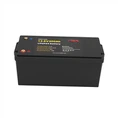
As a 30KWH solar system supplier, I always recommend using high - quality equipment to ensure a high power factor. We offer a range of products that are designed to work together seamlessly to optimize the power factor of the system. For example, our Brick 30KWh Battery For Home ESS is a great addition to a 30KWH solar system. It helps to store the excess energy generated by the solar panels during the day and release it when needed, which can improve the overall efficiency of the system.


If you're looking for a smaller battery option, we also have the Brick 20KWh Battery For Home ESS. This battery is a great choice for those who don't need as much storage capacity but still want to make the most of their solar energy. And for a more compact solution, our Solar Home 15KWh Brick 51.2v 300ah Lifepo4 ESS is ideal for small homes or off - grid applications.
When it comes to maintaining a good power factor in a 30KWH solar system, regular maintenance is key. This includes checking the performance of the solar inverters, making sure the batteries are in good condition, and monitoring the load connected to the system. If you notice a significant drop in the power factor, it could be a sign of a problem with the equipment or the load. In such cases, it's best to have a professional technician take a look at the system.
In addition to equipment quality and load type, the environmental conditions can also have an impact on the power factor. For instance, extreme temperatures can affect the performance of the solar panels and the batteries. High temperatures can cause the efficiency of the solar panels to decrease, which in turn can affect the power output and the power factor of the system. Similarly, very cold temperatures can reduce the capacity of the batteries and make them less efficient at storing and releasing energy.
It's also important to consider the power factor when sizing a 30KWH solar system. If you know that you'll be connecting a lot of non - linear loads to the system, you may need to size the system larger to account for the lower power factor. This ensures that you'll still have enough real power available to meet your energy needs.
To sum it up, the power factor of a 30KWH solar system is an important aspect to consider for maximizing the efficiency and performance of the system. By using high - quality equipment, managing the load properly, and performing regular maintenance, you can ensure that your solar system has a high power factor and operates at its best.
If you're interested in learning more about our 30KWH solar systems or any of our other products, I'd love to hear from you. Whether you're a homeowner looking to go solar or a business owner wanting to reduce your energy costs, we have the solutions for you. Reach out to us to start a conversation about your solar energy needs and let's work together to create a more sustainable future.
References:
- "Solar Power Systems: Design and Installation" by Various Authors
- Technical manuals of solar inverters and batteries used in 30KWH solar systems.