


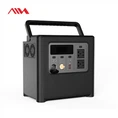
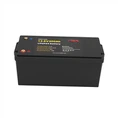

In the dynamic landscape of energy solutions, the power rating of the latest power bricks stands as a crucial factor that determines their performance, versatility, and suitability for various applications. As a leading supplier of the Latest Power Brick, I am excited to delve into the intricacies of power ratings, exploring how they impact the functionality and value of our cutting-edge products.
Understanding Power Rating
Power rating, measured in watts (W), is a fundamental specification that indicates the maximum amount of power a device can handle or deliver. In the context of power bricks, it represents the rate at which electrical energy is converted and supplied to connected devices. A higher power rating generally means the power brick can support more demanding devices or multiple devices simultaneously.
For instance, a smartphone typically requires a power brick with a relatively low power rating, usually around 5W to 20W, for regular charging. On the other hand, laptops, tablets, and other high - power devices may need power bricks with ratings ranging from 45W to 100W or even higher, depending on their processing power, display size, and other features.
The Latest Power Brick: High - Performance and Adaptability
Our Latest Power Brick is engineered to meet the diverse power needs of modern consumers and industries. It comes with a range of power ratings to ensure compatibility with a wide array of devices. Whether you are charging a small smartwatch or powering a high - end gaming laptop, our power bricks have got you covered.
One of the key features of our power bricks is their high - efficiency design. By utilizing advanced power conversion technologies, we are able to minimize energy loss during the conversion process, resulting in a more sustainable and cost - effective solution. This not only benefits the end - users by reducing their electricity bills but also contributes to a greener environment.
Moreover, our power bricks are designed to be adaptable. They support multiple output voltages and can automatically adjust the power output based on the connected device's requirements. This intelligent power management system ensures safe and efficient charging for all types of devices, protecting them from overcharging, overheating, and short - circuits.
Power Ratings for Different Applications
Home Energy Storage Systems
In the realm of home energy storage, power ratings play a vital role in determining the system's capacity and performance. Our company offers a range of high - quality energy storage solutions, such as the Stackable 30KWh Lifepo4 Home ESS, 51.2v 300ah Lifepo4 15KWh Solar ESS, and 20kWh Residential Energy Storage System. These systems are designed to store excess solar energy generated during the day and release it when needed, providing a reliable and sustainable source of power for homes.
The power rating of these energy storage systems determines how quickly they can charge and discharge. A higher power rating means faster charging and discharging times, allowing homeowners to make the most of their solar energy and reduce their reliance on the grid.
Industrial Applications
In industrial settings, power bricks with high power ratings are essential for powering heavy - duty equipment and machinery. Our Latest Power Brick can be customized to meet the specific power requirements of industrial applications, providing a stable and reliable power supply.
For example, in manufacturing plants, power bricks are used to power robots, conveyor belts, and other automated equipment. These devices often require a large amount of power to operate efficiently, and our high - power - rated power bricks can ensure their smooth and continuous operation.


Factors Affecting Power Rating
Several factors can affect the power rating of a power brick. One of the main factors is the type of components used in its construction. High - quality components, such as efficient transformers, capacitors, and semiconductors, can improve the power conversion efficiency and allow the power brick to handle higher power loads.
The design of the power brick also plays a crucial role. A well - designed power brick with proper ventilation and heat dissipation mechanisms can prevent overheating, which can otherwise reduce the power rating and lifespan of the device.
In addition, the environmental conditions in which the power brick operates can affect its power rating. Extreme temperatures, humidity, and dust can all have a negative impact on the performance of the power brick, so it is important to choose a power brick that is suitable for the specific environmental conditions.
Choosing the Right Power Rating
When choosing a power brick, it is important to consider the power requirements of the devices you want to charge or power. You should always choose a power brick with a power rating that is equal to or higher than the maximum power requirement of your device.
However, it is also important not to choose a power brick with a significantly higher power rating than necessary, as this can lead to unnecessary energy consumption and may also increase the cost.
If you are unsure about the power requirements of your device, you can refer to the device's user manual or consult the manufacturer. Our team of experts is also available to provide you with professional advice and guidance on choosing the right power brick for your needs.
Contact Us for Procurement
If you are interested in our Latest Power Brick or any of our energy storage solutions, we invite you to contact us for procurement. Our products are known for their high quality, reliability, and performance, and we are committed to providing our customers with the best possible service.
Whether you are a homeowner looking for a reliable energy storage system or an industrial client in need of high - power - rated power bricks, we can offer you customized solutions to meet your specific requirements.
References
- "Power Electronics: Converters, Applications, and Design" by Ned Mohan, Tore M. Undeland, and William P. Robbins.
- "Energy Storage Systems for Grid Applications" by Ali Keyhani and Srdjan Lukic.