



Hey there! As a supplier of 48V batteries, I often get asked about the self - discharge rate of these batteries. So, I thought I'd write this blog to share some insights on what the self - discharge rate of a 48V battery is and why it matters.
First off, let's understand what self - discharge is. Self - discharge is the process where a battery loses its charge over time even when it's not connected to any device. It's like the battery is slowly leaking its energy away all by itself. This can be a real pain, especially if you're relying on the battery to power something important.
Now, the self - discharge rate of a battery is usually expressed as a percentage of the battery's capacity lost per unit of time. For example, if a battery has a self - discharge rate of 1% per month, it means that after one month of sitting idle, it will have lost 1% of its total charge.
When it comes to 48V batteries, the self - discharge rate can vary greatly depending on the type of battery. There are mainly two types of 48V batteries that we deal with: lead - acid batteries and lithium - ion batteries, specifically LiFePO4 (Lithium Iron Phosphate) batteries.
Let's start with lead - acid batteries. These are the more traditional type of batteries. They've been around for a long time and are still widely used in many applications. However, they have a relatively high self - discharge rate. On average, a lead - acid 48V battery can have a self - discharge rate of about 3% to 5% per month. That means if you fully charge a lead - acid 48V battery and then leave it sitting for a month, it could lose anywhere from 3% to 5% of its charge. This high self - discharge rate is due to the chemical reactions that occur inside the battery even when it's not in use. The lead plates in the battery react with the sulfuric acid electrolyte, causing a slow loss of charge.
On the other hand, LiFePO4 48V batteries have a much lower self - discharge rate. These batteries are becoming increasingly popular because of their many advantages, including a longer lifespan, higher energy density, and better performance in extreme temperatures. A LiFePO4 48V battery typically has a self - discharge rate of around 0.5% to 1% per month. That's a huge difference compared to lead - acid batteries! So, if you charge a LiFePO4 48V battery and leave it for a month, it will only lose a very small amount of its charge.
Why does the self - discharge rate matter? Well, it can have a big impact on how you use and maintain your batteries. For example, if you're using a battery in a backup power system, like an uninterruptible power supply (UPS), a high self - discharge rate means you'll have to recharge the battery more often to keep it ready for use. This can be a hassle and also increase your electricity costs.
On the other hand, a low self - discharge rate, like that of LiFePO4 batteries, means you can leave the battery sitting for a longer time without having to worry about it losing its charge. This is especially useful for applications where the battery is only used occasionally, such as in solar power storage systems.
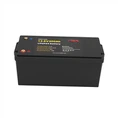
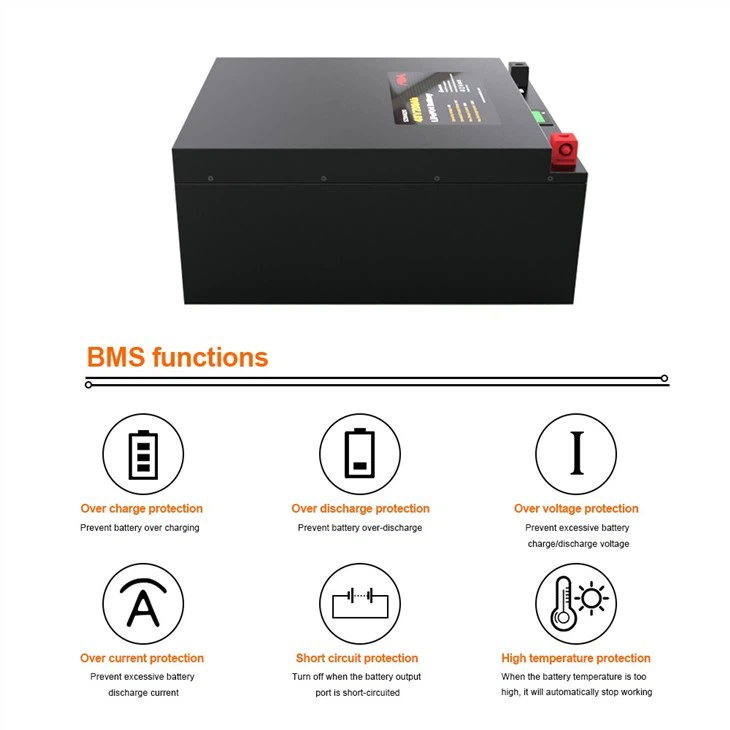
Now, let me introduce you to some of the 48V batteries we offer. We have the 48V 100ah Lifepo4 Bms Inside Battery. This battery comes with a built - in Battery Management System (BMS), which helps to protect the battery from overcharging, over - discharging, and short - circuits. With its low self - discharge rate, it's a great choice for long - term energy storage.
Another great option is the Rechargeable Smart BMS Bluetooth Lithium Ion Battery 48v 100ah Lithium Battery Lifepo4 Battery. This battery not only has a low self - discharge rate but also comes with smart features. You can connect it to your smartphone via Bluetooth and monitor its status, including the charge level and temperature.
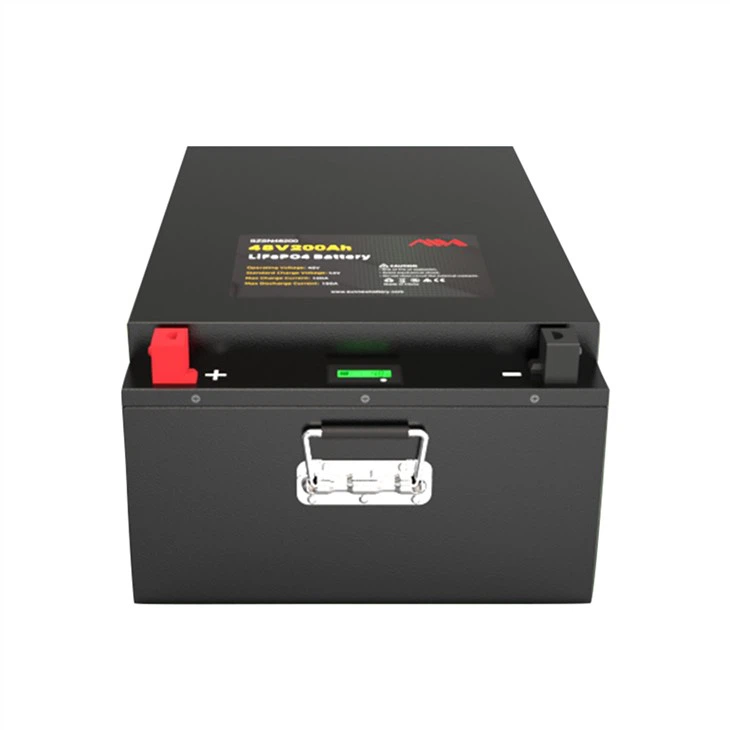
We also have the Deep Cycle 200ah 48v Lithium Iron Phosphate Rechargeable Lifepo4 Lithium Battery Pack. This battery is designed for deep - cycle applications, which means it can be discharged and recharged many times without losing its performance. And of course, it has that low self - discharge rate that we love.
In conclusion, understanding the self - discharge rate of a 48V battery is crucial when choosing the right battery for your needs. If you're looking for a battery that can hold its charge for a long time without much maintenance, then a LiFePO4 48V battery is the way to go.
If you're interested in purchasing any of our 48V batteries or have any questions about the self - discharge rate or other battery - related issues, feel free to reach out. We're always here to help you make the best choice for your power needs.
References
- Battery University: A great resource for all things battery - related. It provides in - depth information on battery chemistry, performance, and maintenance.
- Industry reports on battery technology and market trends. These reports offer valuable insights into the latest developments in battery technology and how they affect the self - discharge rate and other performance metrics.