



Hey there! As a 24V battery supplier, I often get asked about the temperature range for these batteries. It's a crucial topic because temperature can significantly impact a battery's performance, lifespan, and safety. So, let's dive right in and explore what temperature range is ideal for a 24V battery.
Why Temperature Matters for 24V Batteries
Before we get into the specific temperature range, let's understand why temperature is such a big deal for batteries. Batteries are like little energy factories, and temperature affects how efficiently they can produce and store energy.
When it's too cold, the chemical reactions inside the battery slow down. This means the battery can't deliver as much power as it normally would. You might notice that your battery drains faster or doesn't have enough juice to start your device. On the other hand, when it's too hot, the chemical reactions speed up too much. This can cause the battery to degrade faster, reducing its lifespan and potentially leading to safety issues like overheating or even fires.
The Ideal Temperature Range for 24V Batteries
So, what's the sweet spot? Generally speaking, the ideal temperature range for most 24V batteries, especially lithium iron phosphate (LiFePO4) batteries, is between 20°C and 40°C (68°F and 104°F).
In this temperature range, the battery can operate at its best. The chemical reactions inside the battery happen at an optimal rate, allowing the battery to deliver its full capacity and charge efficiently. You'll get the most out of your battery in terms of performance and lifespan.
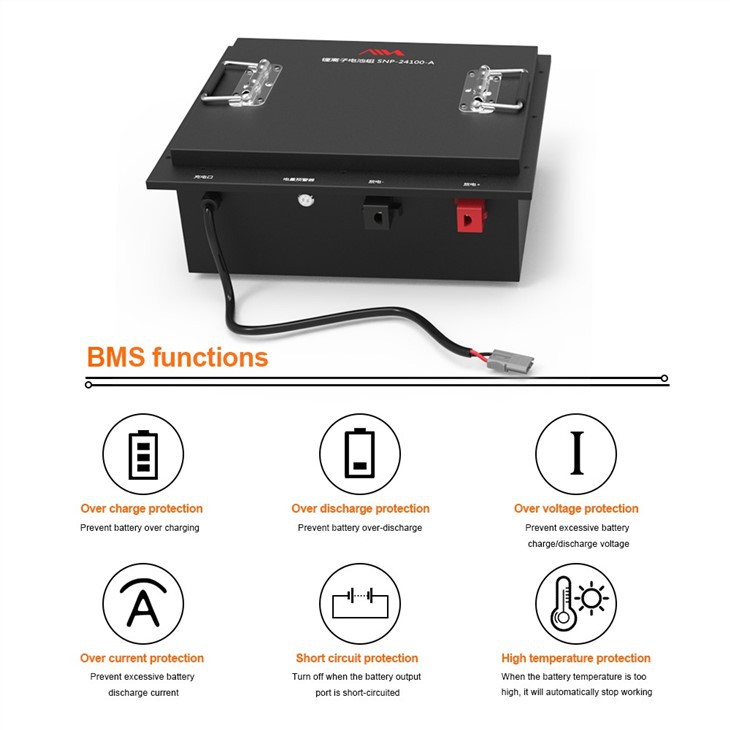

However, it's important to note that different types of 24V batteries may have slightly different temperature ranges. For example, lead-acid batteries can tolerate a wider temperature range, but they also perform best in similar temperatures as LiFePO4 batteries.
Operating Outside the Ideal Range
Let's face it; we don't always have perfect temperature conditions. Sometimes, we need to use our batteries in extreme cold or hot environments. So, what happens when we operate a 24V battery outside the ideal temperature range?
Cold Temperatures
When the temperature drops below 20°C (68°F), the battery's performance starts to decline. The internal resistance of the battery increases, which means it's harder for the battery to deliver power. You might experience a decrease in voltage and capacity, and the battery may take longer to charge.
For example, if you're using a Customized LiFePO4 24V 50Ah 100Ah Floor Cleaning Machine Battery Operated Floor Sweeper Battery in a cold warehouse, you might notice that the floor sweeper doesn't run as long as it does in warmer conditions.
In extremely cold temperatures, below freezing (0°C or 32°F), the battery can become almost useless. The electrolyte inside the battery can freeze, which can damage the battery and make it impossible to charge or discharge.
Hot Temperatures
When the temperature rises above 40°C (104°F), the battery's lifespan starts to take a hit. The high temperature accelerates the chemical reactions inside the battery, which can cause the battery to degrade faster. You might notice that the battery swells, loses capacity, or even fails prematurely.
For instance, if you're using a Sweeper Robot 24V 100ah Lifepo4 Battery in a hot outdoor environment, the robot might not work as well after a few months because the battery has degraded due to the high temperature.
In extreme heat, above 60°C (140°F), the battery can overheat and become a safety hazard. This can lead to thermal runaway, where the battery gets hotter and hotter until it catches fire or explodes.
How to Protect Your 24V Battery from Extreme Temperatures
So, how can you protect your 24V battery from extreme temperatures? Here are some tips:
Cold Weather
- Insulate the Battery: You can use insulation materials to keep the battery warm. For example, you can wrap the battery in a thermal blanket or place it in an insulated box.
- Preheat the Battery: If possible, preheat the battery before use. You can do this by storing the battery in a warm place or using a battery heater.
- Limit Use in Cold Conditions: Try to avoid using the battery in extremely cold conditions. If you have to use it, limit the time and the amount of power you draw from the battery.
Hot Weather
- Provide Ventilation: Make sure the battery has enough ventilation to dissipate heat. You can do this by placing the battery in a well-ventilated area or using a fan to blow air over the battery.
- Shade the Battery: If the battery is exposed to direct sunlight, try to shade it. You can use a tarp or an umbrella to protect the battery from the sun.
- Monitor the Temperature: Use a temperature sensor to monitor the battery's temperature. If the temperature gets too high, stop using the battery and let it cool down.
Applications of 24V Batteries and Temperature Considerations
24V batteries are used in a wide range of applications, from floor cleaning machines to golf carts. Each application has its own temperature considerations.
Floor Cleaning Machines
Floor cleaning machines, such as floor sweepers and scrubbers, often operate in indoor environments. However, the temperature can still vary depending on the season and the location. For example, a warehouse might be cold in the winter and hot in the summer.
When using a Customized LiFePO4 24V 50Ah 100Ah Floor Cleaning Machine Battery Operated Floor Sweeper Battery, it's important to make sure the battery is kept at a reasonable temperature. If the warehouse is cold, you can use the insulation and preheating tips mentioned above. If it's hot, make sure the battery has enough ventilation.
Sweeper Robots
Sweeper robots are becoming more and more popular, especially in commercial and industrial settings. These robots often operate in various environments, including outdoor areas.
When using a Sweeper Robot 24V 100ah Lifepo4 Battery, you need to consider the temperature of the environment. If the robot is used outdoors in hot weather, make sure it has a way to cool down the battery. If it's used in cold weather, you might need to insulate the battery or preheat it.
Golf Carts
Golf carts are another common application for 24V batteries. Golf courses can have different temperatures depending on the time of day and the season.
When using a Golf Cart EV Battery 24V 100Ah Rechargeable Deep Cycle Lithium Iron Phosphate LiFePO4 Batteries, it's important to keep the battery at a suitable temperature. You can do this by parking the golf cart in a shaded area or using a battery temperature management system.
Contact Us for Your 24V Battery Needs
If you're in the market for a 24V battery, whether it's for a floor cleaning machine, a sweeper robot, or a golf cart, we've got you covered. We offer a wide range of high-quality 24V batteries that are designed to perform well in various temperature conditions.
Our team of experts can help you choose the right battery for your application and provide you with tips on how to maintain and protect your battery from extreme temperatures. So, don't hesitate to contact us for more information or to start a purchase negotiation.
References
- Battery University: A comprehensive resource for battery knowledge and information.
- Lithium Battery Safety Guidelines: Published by various battery manufacturers and industry organizations.