



As a seasoned forklift battery supplier, I understand the critical role that proper charging temperature plays in maintaining the performance and longevity of forklift batteries. In this blog post, I'll delve into the ideal temperature range for charging forklift batteries, the impact of temperature on battery health, and how to ensure optimal charging conditions.
Understanding the Ideal Temperature Range
The temperature range for charging a forklift battery is a crucial factor that can significantly affect its charging efficiency, lifespan, and overall performance. Generally, the ideal temperature range for charging most forklift batteries, including lead - acid and lithium - ion batteries, is between 5°C and 40°C (41°F and 104°F).
Lead - Acid Batteries
Lead - acid batteries are commonly used in forklifts due to their reliability and relatively low cost. When charging lead - acid batteries, temperatures within the 5°C - 40°C range are essential. Charging at temperatures below 5°C can lead to a slower chemical reaction inside the battery. This results in longer charging times and may not fully charge the battery, leading to a reduced state of charge. On the other hand, charging at temperatures above 40°C can cause excessive gassing, water loss, and accelerated plate corrosion, which shortens the battery's lifespan.
Lithium - Ion Batteries
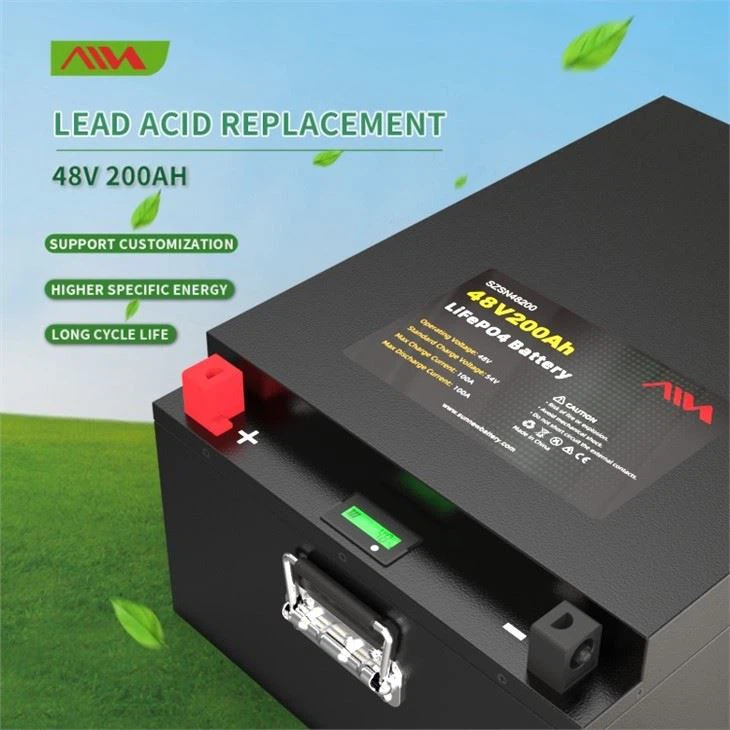
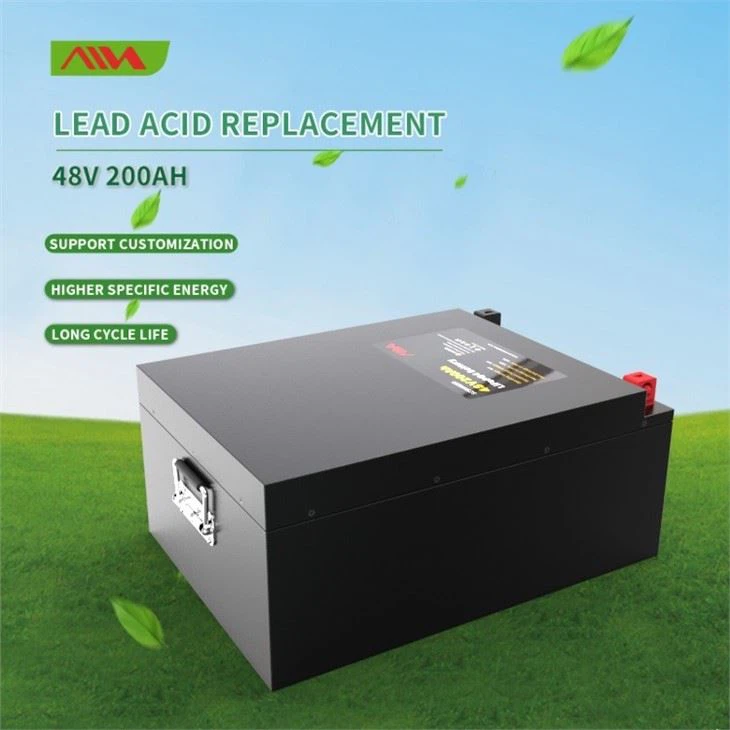
Lithium - ion batteries, such as the 48V 100ah Lifepo4 Bms Inside Battery, Rechargeable Smart BMS Bluetooth Lithium Ion Battery 48v 100ah Lithium Battery Lifepo4 Battery, and Deep Cycle 48V 200ah EV Battery, have a similar ideal charging temperature range. Lithium - ion batteries are more sensitive to temperature extremes compared to lead - acid batteries. Charging at low temperatures can cause lithium plating on the anode, which is a safety hazard and can also damage the battery's internal structure. High - temperature charging can accelerate the degradation of the battery's electrolyte and electrodes, reducing its capacity and cycle life.
The Impact of Temperature on Battery Health
Capacity Loss
When a forklift battery is charged outside the optimal temperature range, it can experience capacity loss over time. For example, charging lead - acid batteries at high temperatures can cause the active material on the battery plates to break down more rapidly. This reduces the amount of material available for the chemical reactions that produce electricity, resulting in a lower battery capacity. Lithium - ion batteries also suffer from capacity loss when charged at extreme temperatures. The chemical processes within the battery are disrupted, and the battery's ability to store and deliver energy is diminished.
Reduced Lifespan
Temperature extremes can significantly reduce the lifespan of a forklift battery. High - temperature charging can cause the battery to age prematurely. In lead - acid batteries, high temperatures accelerate the corrosion of the lead plates and the evaporation of the electrolyte. This leads to a shorter service life and more frequent battery replacements. Lithium - ion batteries are also affected by high - temperature charging. The internal components of the battery can degrade, leading to a shorter cycle life and reduced overall performance.
Safety Risks
Charging forklift batteries at temperatures outside the recommended range can pose safety risks. In lead - acid batteries, overheating during charging can cause excessive gassing, which can lead to the build - up of explosive hydrogen gas. In lithium - ion batteries, charging at low temperatures can cause lithium plating, which can lead to short - circuits and potentially cause thermal runaway, a dangerous condition where the battery overheats uncontrollably.
Ensuring Optimal Charging Conditions
Temperature Monitoring
One of the most effective ways to ensure that forklift batteries are charged within the optimal temperature range is to use temperature monitoring devices. These devices can be installed in the battery charging area or directly on the battery. They continuously monitor the temperature and can provide alerts if the temperature goes outside the safe range. This allows operators to take corrective action, such as adjusting the charging rate or moving the battery to a more suitable location.
Climate - Controlled Charging Areas
Creating a climate - controlled charging area is another way to maintain optimal charging temperatures. This can be as simple as installing a heater in a cold warehouse or an air - conditioning unit in a hot environment. By controlling the ambient temperature in the charging area, you can ensure that the batteries are charged within the recommended temperature range, regardless of the external weather conditions.
Adjusting Charging Parameters
Some modern battery chargers are equipped with temperature - sensing capabilities. These chargers can automatically adjust the charging parameters based on the battery's temperature. For example, if the battery is too cold, the charger can reduce the charging current to prevent damage. If the battery is too hot, the charger can slow down the charging process or even stop charging until the temperature returns to a safe level.
Conclusion
Maintaining the proper temperature range for charging forklift batteries is essential for ensuring their performance, longevity, and safety. As a forklift battery supplier, I recommend that customers pay close attention to the temperature during the charging process. By following the guidelines outlined in this blog post, you can extend the life of your forklift batteries, reduce the risk of safety incidents, and save money in the long run.
If you are interested in purchasing high - quality forklift batteries or need more information about battery charging and maintenance, please feel free to contact us. We are committed to providing our customers with the best products and services to meet their forklift battery needs.
References
- Battery University: A comprehensive resource for battery - related information, including temperature effects on battery performance.
- Manufacturer's specifications for forklift batteries and chargers, which provide detailed information about the recommended charging temperature range.
- Industry standards and guidelines for forklift battery maintenance and safety.