



Hey there, fellow camping enthusiasts! I'm a supplier of camping systems, and today I wanna chat about one super important aspect of camping gear: the water - resistance level of a camping system.
When you're out in the wild, facing all kinds of weather, having a camping system that can stand up to water is crucial. Whether it's a sudden rain shower, a morning dew, or even accidental splashes from a nearby stream, water can really mess up your camping experience if your gear isn't up to the task.
Let's start with tents. Tents are the heart of any camping system, and their water - resistance is a make - or - break factor. Most good quality tents are made with waterproof materials, but not all of them are created equal. The water - resistance of a tent is usually measured in millimeters (mm) of hydrostatic head. This measurement tells you how much water pressure the tent fabric can withstand before water starts to seep through.
For example, a tent with a hydrostatic head of 1000mm is considered to be moderately water - resistant. It can handle light rain and some condensation. But if you're expecting heavy rain or long - term exposure to wet conditions, you'll want a tent with a hydrostatic head of at least 2000mm or more. Some high - end tents can have a hydrostatic head of 5000mm or even higher, which means they can withstand really heavy downpours without letting a single drop in.
Another important part of the tent's water - resistance is the seams. Even if the fabric is super waterproof, if the seams aren't sealed properly, water can still find its way in. That's why most good tents come with taped seams. Seam tape is a thin strip of waterproof material that is applied over the seams to prevent water from seeping through the stitching holes.
Now, let's talk about sleeping bags. A wet sleeping bag is the last thing you want when you're trying to get a good night's sleep in the great outdoors. The water - resistance of a sleeping bag depends on the type of insulation it uses. Synthetic insulation is generally more water - resistant than down insulation.


Synthetic insulation can still keep you warm even when it gets wet. It dries relatively quickly and retains a good amount of its insulating properties. On the other hand, down insulation is known for its excellent warmth - to - weight ratio, but it loses its insulating power when it gets wet. However, there are now treated down options available that are more water - resistant. These treated down sleeping bags are a great choice if you want the warmth of down but also need some protection against moisture.
When it comes to sleeping pads, water - resistance is also important. A wet sleeping pad can make you cold and uncomfortable. Most modern sleeping pads are made with waterproof materials on the bottom to prevent moisture from the ground from seeping through. Some even have a waterproof top layer to protect against spills or condensation.
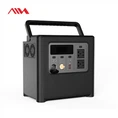
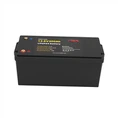
Now, let's move on to the power stations in our camping system. We offer some amazing power stations that are not only great for powering your camping essentials but also have a certain level of water - resistance. For instance, our Sunnew 2304Wh High Capacity Lithium Iron Battery Accessories Solar Charging 800W Quick Charge Portable Power Station is designed to withstand some light splashes and moisture. It has a sturdy casing that provides a decent level of protection against water.
Similarly, our 1200W Portable Solar Generator 1228Wh Lithium Battery Portable Power Station and 500W Portable Generator For Outdoor Camping are also built with water - resistant features. However, it's important to note that while they can handle some light moisture, they are not fully waterproof. You should still take precautions to keep them dry, like using a protective cover or storing them under shelter during heavy rain.
The water - resistance level of a camping system also depends on how you take care of your gear. Even the most water - resistant tent or sleeping bag can start to lose its effectiveness if it's not properly maintained. Make sure to clean your gear regularly and follow the manufacturer's instructions for storage. For example, if you get your tent wet, dry it thoroughly before packing it away. This will prevent mold and mildew from growing, which can damage the fabric and reduce its water - resistance.
When choosing a camping system, you need to consider the type of camping you'll be doing. If you're going on a short weekend trip in a relatively dry climate, you might not need the highest level of water - resistance. But if you're planning a long - term camping adventure in a rainy or humid area, investing in high - quality, water - resistant gear is a must.
As a camping system supplier, I know how important it is to have reliable gear that can handle the elements. That's why we offer a wide range of camping products with different water - resistance levels to suit your needs. Whether you're a casual camper or an experienced outdoor enthusiast, we've got something for you.
If you're interested in our camping systems and want to learn more about our products, their water - resistance levels, or have any other questions, don't hesitate to reach out. We're here to help you make the right choice for your next camping trip. Let's work together to ensure you have an amazing and dry camping experience!
References
- Outdoor Gear Lab. "Waterproofing and Durability Testing of Tents".
- REI Co - op. "How to Choose a Sleeping Bag".
- Manufacturer's product manuals for camping gear.