


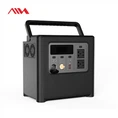

What is the weight of a typical solar generator?
As a dedicated supplier of solar generators, I often encounter inquiries from customers about the weight of these devices. Understanding the weight of a solar generator is crucial, as it directly impacts portability, ease of installation, and transportation. In this blog post, I'll delve into the factors that influence the weight of a typical solar generator and provide insights to help you make an informed decision.
Factors Affecting the Weight of Solar Generators
The weight of a solar generator can vary significantly depending on several key factors:
- Battery Capacity: One of the primary determinants of a solar generator's weight is the battery capacity. Larger battery capacities generally require more materials and, therefore, result in a heavier unit. For instance, a solar generator with a high-capacity lithium-ion battery will typically weigh more than one with a smaller battery.
- Power Output: The power output of a solar generator also plays a role in its weight. Higher-power generators often require larger components, such as inverters and chargers, which contribute to increased weight. If you need a solar generator to power multiple high-energy devices simultaneously, you can expect it to be heavier than a lower-power model.
- Construction Materials: The materials used in the construction of a solar generator can significantly impact its weight. Generators made with lightweight materials, such as aluminum or plastic, will generally be lighter than those constructed with heavier materials, like steel. Additionally, the design of the generator, including its size and shape, can also affect its weight.
- Additional Features: Some solar generators come with additional features, such as built-in solar panels, multiple charging ports, or advanced monitoring systems. These features can add to the overall weight of the generator. While these extras can enhance the functionality of the device, they may also make it less portable.
Weight Ranges of Different Solar Generators
To give you a better idea of the weight ranges of different solar generators, let's take a look at some common models:
- Small Portable Solar Generators: These generators are designed for lightweight and easy portability. They typically have a power output of up to 200 watts and are ideal for charging small electronic devices, such as smartphones, tablets, and laptops. The weight of small portable solar generators can range from 5 to 20 pounds. For example, our Outdoor 200W 110V 220V Ac Qc3.0 Fast Charge Emergency Multi-Function Portable Lithium Power Station weighs around 15 pounds, making it highly portable for outdoor adventures.
- Medium-Sized Solar Generators: Medium-sized solar generators offer a balance between power output and portability. They usually have a power output of 200 to 700 watts and can power larger devices, such as small appliances, TVs, and fans. The weight of medium-sized solar generators can range from 20 to 50 pounds. Our 700W Solar Portable Power Station weighs approximately 40 pounds, making it suitable for both indoor and outdoor use.
- Large High-Power Solar Generators: These generators are designed to provide high power output for extended periods. They typically have a power output of 700 to 1000 watts or more and can power multiple high-energy devices simultaneously. The weight of large high-power solar generators can range from 50 to 100 pounds or more. Our 1000W Solar Portable Power Station weighs around 80 pounds, making it a robust solution for powering essential appliances during power outages or for off-grid living.
Considerations When Choosing a Solar Generator Based on Weight
When selecting a solar generator, it's essential to consider your specific needs and usage scenarios. Here are some factors to keep in mind:
- Portability: If you plan to use the solar generator for outdoor activities, such as camping, hiking, or RVing, portability is a crucial factor. Look for a lightweight and compact model that you can easily carry and transport.
- Power Requirements: Determine the power requirements of the devices you want to power with the solar generator. Choose a generator with a power output that can meet your needs without being overly heavy.
- Installation and Setup: Consider the ease of installation and setup of the solar generator. Some generators may require professional installation, while others can be easily set up by the user. If you need to move the generator frequently, look for a model that is easy to assemble and disassemble.
- Budget: The weight of a solar generator can also affect its price. Generally, lighter generators tend to be more expensive than heavier ones. Consider your budget when choosing a solar generator and find a balance between weight, power output, and cost.
Conclusion
The weight of a typical solar generator can vary depending on several factors, including battery capacity, power output, construction materials, and additional features. Understanding these factors can help you choose the right solar generator for your needs. Whether you need a lightweight portable generator for outdoor adventures or a high-power generator for home backup, there is a solar generator available to suit your requirements.
If you're interested in learning more about our solar generators or have any questions about their weight, power output, or other features, please don't hesitate to contact us. We're here to help you find the perfect solar generator solution for your needs. We look forward to discussing your requirements and guiding you through the procurement process.


References
- Solar Power World. (2023). Understanding Solar Generator Components and Performance.
- Renewable Energy World. (2023). Choosing the Right Solar Generator for Your Needs.