



When it comes to cylindrical cells, one of the most critical factors that users often consider is the lifespan of the cell. As a prominent cylindrical cell supplier, I've had in - depth discussions with numerous customers about this very topic. In this blog, we'll explore different chemistries of cylindrical cells and determine which one has the longest lifespan.
Lithium - Cobalt Oxide (LiCoO₂) Cells
Lithium - cobalt oxide cells have been around for a long time and are widely used in consumer electronics such as smartphones and laptops. These cells offer high energy density, which means they can store a large amount of energy in a relatively small volume. However, their lifespan is somewhat limited.
The main issue with LiCoO₂ cells is their structural instability during charge - discharge cycles. Over time, the cobalt - based cathode structure can degrade, leading to a loss of capacity. Typically, LiCoO₂ cylindrical cells can endure around 300 - 500 charge - discharge cycles before their capacity drops to 80% of the original value. This relatively short lifespan is a drawback, especially for applications where long - term use is required.
Lithium - Manganese Oxide (LiMn₂O₄) Cells
Lithium - manganese oxide cells are known for their low cost and high power output. They have a spinel - type crystal structure, which provides good thermal stability. This stability allows the cells to operate at relatively high temperatures without significant degradation.

In terms of lifespan, LiMn₂O₄ cells can generally achieve 500 - 800 charge - discharge cycles. The manganese - based cathode is more stable compared to the cobalt - based one in LiCoO₂ cells. However, they still face some challenges. One of the problems is the dissolution of manganese ions into the electrolyte during cycling, which can lead to capacity fade over time.
Lithium - Nickel - Cobalt - Manganese Oxide (NCM) Cells
NCM cells combine the advantages of nickel, cobalt, and manganese. By adjusting the ratio of these three elements, manufacturers can optimize the cell's performance in terms of energy density, power density, and lifespan.
NCM cells usually offer a better lifespan compared to LiCoO₂ and LiMn₂O₄ cells. Depending on the specific composition, NCM cylindrical cells can have a lifespan of 800 - 1500 charge - discharge cycles. The combination of the three elements provides a more stable cathode structure. For example, nickel contributes to high energy density, cobalt helps with conductivity, and manganese enhances the structural stability. If you are interested in NCM cells, you can check out our Cylindrical 3.6v 5000mah NCM Cell.
Lithium - Iron Phosphate (LiFePO₄) Cells
LiFePO₄ cells are gaining popularity due to their excellent safety and long lifespan. The iron - phosphate cathode has a very stable olivine structure, which can withstand a large number of charge - discharge cycles.
LiFePO₄ cylindrical cells can achieve an astonishing 2000 - 5000 charge - discharge cycles. This long lifespan makes them ideal for applications such as electric vehicles, solar energy storage systems, and backup power supplies. The low cost of iron and the high stability of the cathode material contribute to the long - term performance of these cells.
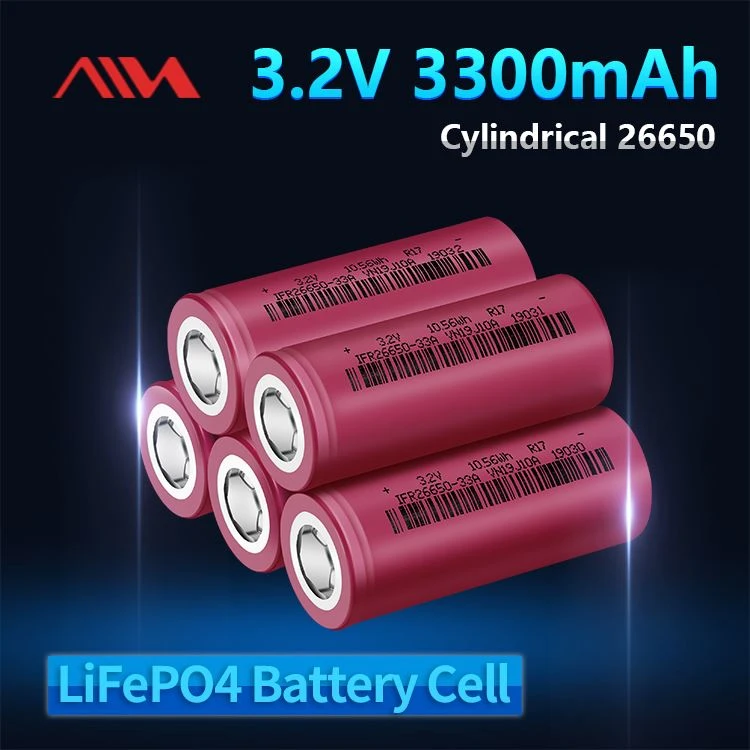
We offer two types of LiFePO₄ cylindrical cells. The Cylindrical 3.2v 3300mah Lifepo4 Cell is suitable for general - purpose applications, while the High Rate 3.2v 3000mah Lifepo4 Cell is designed for high - power applications where rapid charging and discharging are required.
Factors Affecting Cell Lifespan
Apart from the cell chemistry, several other factors can affect the lifespan of cylindrical cells. Temperature is one of the most important factors. High temperatures can accelerate the chemical reactions inside the cell, leading to faster degradation. On the other hand, extremely low temperatures can reduce the cell's performance and also cause damage over time.
The charging and discharging rates also play a crucial role. Charging or discharging the cell at a very high rate can generate a large amount of heat, which can damage the cell structure. It is recommended to charge and discharge the cells at a moderate rate to extend their lifespan.
Conclusion
After a comprehensive analysis of different cylindrical cell chemistries, it is clear that LiFePO₄ cells have the longest lifespan. Their stable cathode structure and ability to withstand a large number of charge - discharge cycles make them the top choice for applications that require long - term reliability.
As a cylindrical cell supplier, we understand the importance of providing high - quality cells with long lifespans. Whether you are looking for cells for consumer electronics, automotive applications, or energy storage systems, we have the right products for you. If you are interested in learning more about our cylindrical cells or would like to discuss a potential purchase, please feel free to contact us. We are more than happy to assist you in finding the most suitable cells for your needs.
References
- Tarascon, J. M., & Armand, M. (2001). Issues and challenges facing rechargeable lithium batteries. Nature, 414(6861), 359 - 367.
- Goodenough, J. B., & Kim, Y. (2010). Challenges for rechargeable Li batteries. Chemistry of Materials, 22(3), 587 - 603.
- Xu, K. (2004). Nonaqueous liquid electrolytes for lithium - based rechargeable batteries. Chemical Reviews, 104(10), 4303 - 4417.