



Batteries are an essential component of modern life, powering everything from our smartphones to electric vehicles. But beyond their primary purpose of providing portable power, batteries also play a critical role in energy storage.
As our world becomes increasingly dependent on renewable energy sources like solar and wind power, the need for efficient and reliable energy storage solutions has never been greater. This is where batteries come in, serving as a crucial link between energy production and consumption.
Energy storage batteries work by capturing excess energy generated by renewable sources during times of high production, such as when the sun is shining or the wind is blowing. This energy is stored in the battery for later use, making it available at times of high demand or when renewable energy sources aren't generating enough power.
Without batteries, renewable energy sources would be limited in their ability to provide a consistent and reliable source of power. In fact, energy storage is seen as one of the key enablers of the transition to a low-carbon and sustainable energy system.
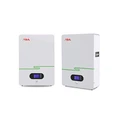
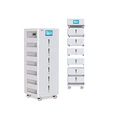
Batteries used for energy storage come in a variety of sizes and types, from small residential units to large-scale installations used for utility-scale applications. They can not only help to smooth out fluctuations in energy supply and demand, but also provide backup power in the event of an outage or disruption to the grid.
Overall, the role of batteries in energy storage is becoming increasingly important as the world looks to reduce its reliance on fossil fuels and transition to a cleaner, more sustainable energy system. As such, investment in battery technology and infrastructure is a critical component of any effort to address the challenges of climate change and build a more sustainable future.

The energy storage role of batteries
Dec 28, 2023 Leave a message
Send Inquiry