



Are there any regulations for transporting AGV batteries?
As an AGV battery supplier, I've often encountered questions from clients regarding the regulations surrounding the transportation of AGV batteries. This topic is of utmost importance, as improper handling and transportation can lead to safety hazards and legal issues. In this blog, I'll delve into the key regulations and considerations for transporting AGV batteries.
Understanding the Risks Associated with AGV Battery Transportation
AGV batteries, particularly lithium - ion batteries, are widely used due to their high energy density, long cycle life, and low self - discharge rate. However, they also pose certain risks during transportation. Lithium - ion batteries can be flammable and may catch fire or explode if damaged, short - circuited, or exposed to extreme temperatures. This is mainly because of the lithium compounds inside the battery cells, which are highly reactive.
Lead - acid batteries, another common type of AGV battery, also have their own set of risks. They contain sulfuric acid, which is a corrosive substance. If the battery casing is damaged during transportation, the acid can leak out, causing harm to people, property, and the environment.
International and National Regulations
International Air Transport Association (IATA) Regulations
For air transportation, the IATA Dangerous Goods Regulations (DGR) play a crucial role. AGV batteries are classified as dangerous goods because of their potential fire and explosion risks. According to IATA DGR, lithium - ion batteries must meet specific requirements for packaging, marking, and labeling. For example, they should be packed in a way that prevents short - circuits, and the outer packaging must be marked with appropriate hazard labels.
United Nations Recommendations on the Transport of Dangerous Goods
The United Nations (UN) has also developed a set of recommendations for the transport of dangerous goods. These recommendations cover all modes of transportation, including road, rail, sea, and air. The UN classifies lithium - ion batteries under UN3480 (lithium - ion batteries) and UN3481 (lithium - ion batteries contained in equipment or packed with equipment). AGV battery suppliers need to ensure that their products comply with the UN's packaging and testing requirements.
National Regulations
In addition to international regulations, each country has its own set of rules for transporting dangerous goods. For example, in the United States, the Department of Transportation (DOT) enforces strict regulations on the transportation of batteries. The Federal Motor Carrier Safety Administration (FMCSA) also has rules for the safe transportation of batteries on trucks. In the European Union, the ADR (Accord européen relatif au transport international des marchandises dangereuses par route) regulations govern the road transport of dangerous goods, including AGV batteries.
Packaging Requirements
Proper packaging is essential for the safe transportation of AGV batteries. The packaging must be able to protect the batteries from physical damage, prevent short - circuits, and contain any potential leaks.
For lithium - ion batteries, the packaging should be made of non - conductive materials. It should also have internal partitions to separate individual battery cells or packs, reducing the risk of short - circuits. The outer packaging should be strong enough to withstand normal handling during transportation.
Lead - acid batteries need to be packed in leak - proof containers. The containers should be made of materials that are resistant to the corrosive effects of sulfuric acid. Additionally, the batteries should be secured inside the container to prevent movement during transit.
Documentation and Labeling
When transporting AGV batteries, proper documentation is required. This includes a dangerous goods declaration, which provides information about the type of batteries, their quantity, and their hazard class. The documentation must be accurate and up - to - date.
Labeling is also crucial. The outer packaging of the batteries should be labeled with the appropriate hazard labels, such as the lithium - ion battery symbol for lithium - ion batteries or the corrosive symbol for lead - acid batteries. The labels should be clearly visible and comply with the relevant regulations.
Our Product Range and Compliance
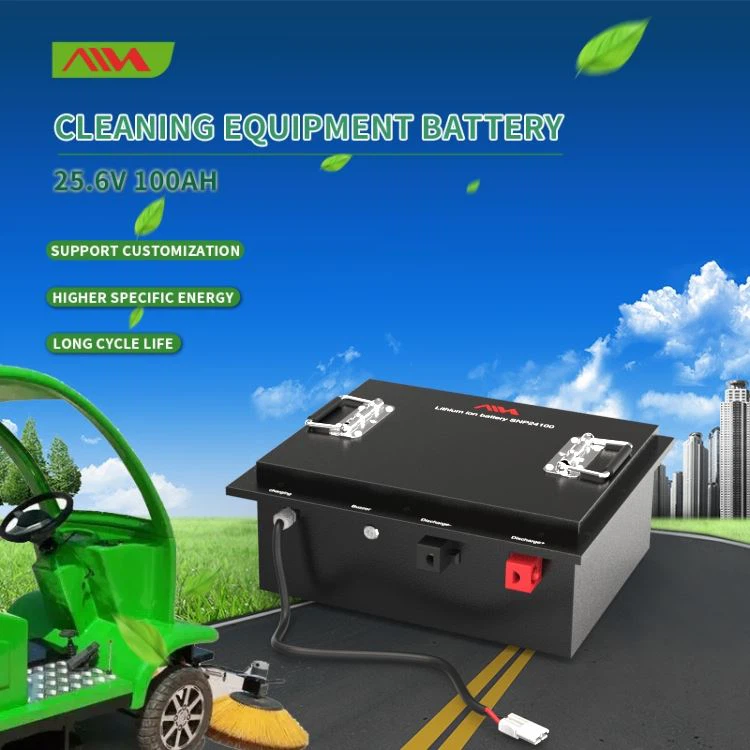
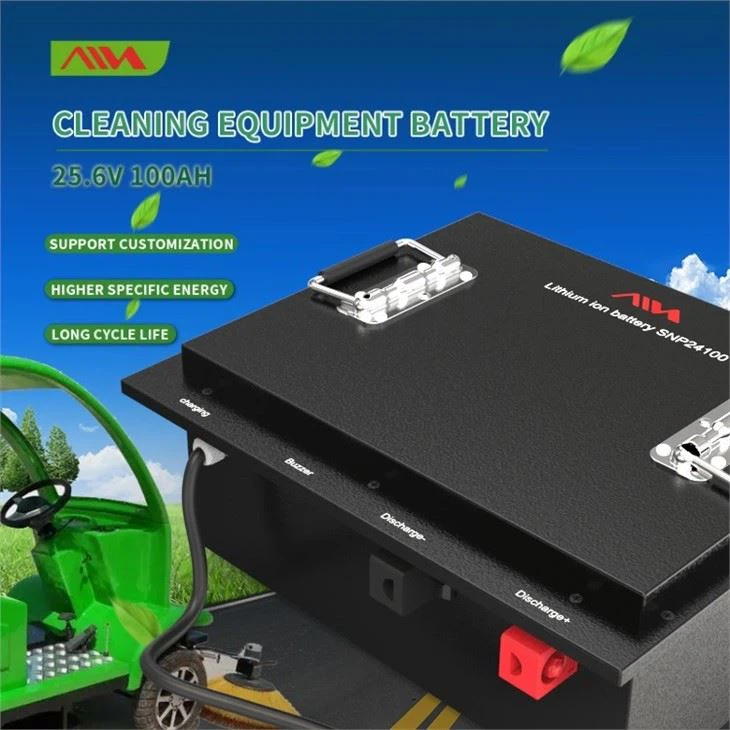
At our company, we offer a wide range of AGV batteries that comply with all relevant transportation regulations. For example, we have the [Sweeper Robot 24V 100ah Lifepo4 Battery](/lead - acid - replacement/24v - battery/sweeper - robot - 24v - 100ah - lifepo4 - battery.html), which is a high - performance lithium - ion battery suitable for sweeper robots. This battery is designed and packaged to meet the strictest transportation requirements.
We also provide the [Golf Cart EV Battery 24V 100Ah Rechargeable Deep Cycle Lithium Iron Phosphate LiFePO4 Batteries](/lead - acid - replacement/24v - battery/golf - cart - ev - battery - 24v - 100ah - rechargeable.html) for golf carts. These batteries are known for their long cycle life and deep - cycle performance, and they are fully compliant with international and national transportation regulations.
Another product in our portfolio is the [Cleaning Equipment Battery Pack 24V 50ah](/lead - acid - replacement/24v - battery/cleaning - equipment - battery - pack - 24v - 50ah.html), which is ideal for various cleaning equipment. We ensure that all our products are properly tested and certified for safe transportation.
Conclusion and Call to Action
Transporting AGV batteries is subject to a complex set of regulations at both international and national levels. As an AGV battery supplier, we understand the importance of compliance and safety. We are committed to providing high - quality batteries that meet all the necessary transportation requirements.
If you are in the market for AGV batteries, whether for sweeper robots, golf carts, or cleaning equipment, we are here to assist you. Our team of experts can provide you with detailed information about our products, their transportation regulations, and how we ensure their safe delivery. We invite you to contact us for further discussions and to explore the possibility of a partnership. Let's work together to find the best battery solutions for your needs.
References
- International Air Transport Association (IATA). Dangerous Goods Regulations.
- United Nations. Recommendations on the Transport of Dangerous Goods.
- Department of Transportation (DOT), United States. Regulations on the transportation of dangerous goods.
- Federal Motor Carrier Safety Administration (FMCSA), United States. Rules for the transportation of batteries on trucks.
- ADR (Accord européen relatif au transport international des marchandises dangereuses par route). Regulations for road transport of dangerous goods in the European Union.