



As a supplier of 30KWH solar systems, I often receive inquiries from customers about the power output of these systems, especially during the winter months. In this blog post, I'll delve into the factors that affect the power output of a 30KWH solar system in winter and provide you with a comprehensive understanding of what you can expect.
Understanding the Basics of a 30KWH Solar System
Before we discuss winter performance, let's briefly review what a 30KWH solar system entails. A 30KWH solar system is designed to generate 30 kilowatt - hours of electricity under ideal conditions. This system typically consists of multiple solar panels, an inverter to convert the direct current (DC) electricity produced by the panels into alternating current (AC) for home or business use, and sometimes a battery storage system for storing excess energy.
Factors Affecting Power Output in Winter
1. Sunlight Duration
One of the most significant factors affecting solar power output in winter is the reduced sunlight duration. In the winter, days are shorter, which means there are fewer hours of sunlight available for the solar panels to generate electricity. For example, in some northern regions, the daylight hours can be as short as 8 hours or less during the winter solstice, compared to 16 hours or more in the summer.
2. Sun Angle
The angle of the sun also changes in winter. The sun sits lower in the sky, which means that the sunlight hits the solar panels at a more oblique angle. When sunlight hits the panels at an angle, the effective surface area of the panels exposed to the sun is reduced, resulting in lower power output. Additionally, the light has to pass through more of the Earth's atmosphere, which can scatter and absorb some of the sunlight before it reaches the panels.


3. Weather Conditions
Winter is often associated with more cloudy, snowy, and foggy days. Cloud cover can significantly reduce the amount of sunlight reaching the solar panels. Snow can also accumulate on the panels, blocking the sunlight and preventing the panels from generating electricity. Even if the snow doesn't completely cover the panels, it can still reduce the amount of light that reaches the photovoltaic cells.
4. Temperature
Although solar panels generally perform better in cooler temperatures, extremely cold temperatures can have a negative impact on their performance. At very low temperatures, the efficiency of the inverter and other components in the solar system may decrease, leading to a reduction in overall power output.
Calculating the Power Output of a 30KWH Solar System in Winter
To estimate the power output of a 30KWH solar system in winter, we need to take into account the factors mentioned above. On average, a solar panel's power output can be reduced by 20 - 50% in winter compared to summer. So, a 30KWH solar system that might generate close to its full capacity on a sunny summer day could generate anywhere from 15KWH to 24KWH on a typical winter day.
Let's assume that in a particular location, the average sunlight duration in winter is 6 hours per day, compared to 12 hours in summer. Also, due to the lower sun angle and cloud cover, the solar irradiance (the amount of sunlight per unit area) is reduced by 30%. If the solar system has an efficiency of 80% (taking into account losses in the inverter and other components), we can calculate the power output as follows:
The ideal power output of the 30KWH system in full - sunlight conditions is 30KWH per day. But with the reduced sunlight duration and irradiance, the available sunlight is 6 hours * (1 - 0.3) = 4.2 equivalent full - sunlight hours.
The power output = 30KWH * (4.2 / 12) * 0.8 = 8.4KWH per day.
This is a simplified calculation, and the actual power output can vary depending on the specific location, orientation of the panels, and the quality of the solar system components.
Importance of Battery Storage in Winter
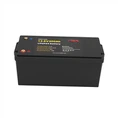
Given the reduced power output in winter, having a battery storage system becomes crucial. A battery can store the excess energy generated during the day when the sun is shining and provide power during the night or when the solar panels are not producing enough electricity.
We offer several high - quality battery storage solutions, such as the [Sunnew 15KWh 48V 300Ah Stackable LiFePO4 Battery Pack](/solar - energy - storage - battery/brick - battery/sunnew - 15kwh - 48v - 300ah - stackable - lifepo4.html), the [Brick 20KWh Battery For Home ESS](/solar - energy - storage - battery/brick - battery/brick - 20kwh - battery - for - home - ess.html), and the [Solar Home 15KWh Brick 51.2v 300ah Lifepo4 ESS](/solar - energy - storage - battery/brick - battery/15kwh - brick - 51 - 2v - 300ah - lifepo4 - ess.html). These batteries are designed to work seamlessly with our 30KWH solar systems, providing reliable energy storage for your home or business.
Maximizing Power Output in Winter
There are several steps you can take to maximize the power output of your 30KWH solar system in winter:
- Panel Orientation and Tilt: Ensure that your solar panels are oriented towards the sun and tilted at an angle that maximizes sunlight exposure in winter. In the northern hemisphere, panels should generally face south, and the tilt angle can be adjusted to a steeper angle in winter.
- Snow Removal: Regularly remove snow from your solar panels to ensure that they receive as much sunlight as possible. You can use a soft - bristled brush or a snow rake designed for solar panels.
- System Maintenance: Keep your solar system well - maintained. Check the panels for any damage, clean them regularly to remove dirt and debris, and ensure that the inverter and other components are functioning properly.
Conclusion
While the power output of a 30KWH solar system is reduced in winter due to factors such as shorter daylight hours, lower sun angle, and adverse weather conditions, it can still provide a significant amount of electricity. By understanding these factors and taking steps to maximize the system's performance, you can make the most of your solar investment throughout the year.
If you're interested in learning more about our 30KWH solar systems or our battery storage solutions, or if you have any questions about power output in winter, please feel free to contact us for a detailed discussion. We're here to help you make an informed decision and ensure that you get the most out of your solar energy system.
References
- "Solar Power Basics" - Energy.gov
- "Photovoltaic Systems and Their Performance in Different Climates" - Journal of Renewable Energy Research