


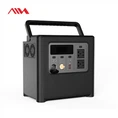
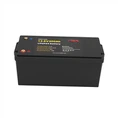

Hey there! As someone running an outdoor battery business, I often get folks reaching out with issues about their non - working outdoor batteries. It can be a real bummer, especially when you're all set for an outdoor adventure and your battery just won't cooperate. So, in this post, I'll share some tips on how to troubleshoot a non - working outdoor battery.
1. Check the Basics
First things first, we need to look at the obvious stuff. Start by making sure your battery is properly connected. Loose connections can cause all sorts of problems. Sometimes, during transportation or while setting up your outdoor gear, the connections might have come loose. Give them a gentle tug to ensure they're snug.
Next, take a look at the battery terminals. Over time, corrosion can build up on these terminals, preventing a proper electrical connection. You can easily spot corrosion as it usually looks like a white or greenish powdery substance. If you see this, you can clean the terminals using a mixture of baking soda and water. Just mix a tablespoon of baking soda with a cup of water, dip an old toothbrush into the solution, and gently scrub the terminals. Rinse with clean water and dry thoroughly.
2. Test the Charger
Your charger might be the culprit. Even if it looks okay on the outside, it could be malfunctioning. If you have a multimeter, you can use it to test the charger's output. Set the multimeter to the appropriate voltage setting and connect it to the charger's output. Compare the reading with the charger's specifications. If the reading is way off, it's time to get a new charger.
If you don't have a multimeter, you can try using a different charger. For example, if you're trying to charge an outdoor battery for a camping light, see if you can use a charger from another similar device. If the battery charges with the new charger, then you know the original charger was the problem.
3. Examine the Battery Life
Outdoor batteries have a limited lifespan. If your battery is several years old, it might just be time for a replacement. Most manufacturers will give you an estimate of how long the battery should last under normal use. If your battery has exceeded this lifespan, it's likely that it's just worn out.
You can also try a capacity test. Fully charge the battery and then use it in a controlled environment. For example, if it's a battery for a portable power station like our 800W Solar Portable Power Station, use it to power a small device like a phone charger and time how long it lasts. If it drains much faster than it used to, it's a sign that the battery capacity has decreased.
4. Look for Physical Damage
Inspect the battery for any visible signs of physical damage. Cracks, dents, or bulges in the battery casing can indicate serious problems. A bulging battery is particularly dangerous as it could be a sign of internal short - circuits or overheating. If you notice any of these issues, stop using the battery immediately. It's not safe to continue using a damaged battery, and it should be disposed of properly.
5. Check the Environment
The environment can have a big impact on your battery's performance. Extreme temperatures are the main culprit here. If it's too hot, the battery can overheat and lose its charge quickly. On the other hand, if it's too cold, the chemical reactions inside the battery slow down, reducing its capacity.
If you're using your outdoor battery in hot weather, try to keep it in a shaded area. If it's cold, you can insulate the battery to keep it warm. For example, you can wrap it in a thick cloth or use a battery warmer designed for cold weather.
6. Consider the Usage Pattern
How you use your battery can also affect its performance. If you're constantly over - discharging or over - charging the battery, it can significantly reduce its lifespan. For example, if you're using a battery for a Outdoor 200W 110V 220V Ac Qc3.0 Fast Charge Emergency Multi - Function Portable Lithium Power Station and you're always running it down to 0% before charging, it's not good for the battery.
Try to keep the battery's charge level between 20% and 80%. This will help extend its lifespan and keep it working properly.
7. Update the Firmware
Some modern outdoor batteries, especially those used in high - tech portable power stations, come with firmware. Just like your smartphone, the firmware on these batteries can sometimes have bugs or glitches. Check the manufacturer's website to see if there are any firmware updates available for your battery. Updating the firmware can sometimes fix issues like charging problems or incorrect battery level readings.


8. Consult the Manual
If all else fails, the user manual can be your best friend. It's packed with information about your specific battery model, including troubleshooting tips and FAQs. The manual might also have a section on what to do if the battery isn't working properly.
If you're still having trouble after trying all these steps, don't hesitate to reach out to us. We're a team of experts in outdoor batteries, and we've seen it all. Whether you need help with our 900W Portable Generator For Outdoor Camping or any other product, we're here to assist you. We can offer personalized advice based on your situation and help you get your battery up and running again.
If you're in the market for new outdoor batteries or related products, we've got a wide range of high - quality options. We're always open to discussions about your needs, and we can offer competitive prices. Don't hesitate to contact us for more information or to start a procurement negotiation.
References
- Battery Management Handbook
- Outdoor Power Equipment Maintenance Guide