


Hey there, fellow marine enthusiasts! I'm [Your Name], and I'm part of a 24V battery supply team. Today, I wanna chat about whether a 24V battery can be used in a marine application. It's a question I get asked a lot, so let's dig into it.
First off, let's understand what makes a battery suitable for marine use. Marine environments are tough on batteries. There's the constant exposure to saltwater, which can cause corrosion, and the vibrations from the boat's engine and movement on the water. Also, boats need a reliable power source for various equipment like navigation systems, lights, and pumps.
So, can a 24V battery cut it in this environment? The answer is yes, but with some considerations.
Advantages of Using a 24V Battery in Marine Applications
One of the big perks of a 24V battery is its power output. Compared to a 12V battery, a 24V battery can deliver more power with less current. This means less energy loss in the wiring, which is great for efficiency. For larger boats with high - power equipment, a 24V battery can handle the load better. It can run things like powerful winches, large - capacity refrigerators, and high - end audio systems without breaking a sweat.
Another advantage is that 24V systems can use thinner cables. Since the current is lower for the same power output, you don't need thick, heavy cables. This not only saves on weight but also on cost. And in the marine world, every bit of weight saved can improve fuel efficiency and performance.
Types of 24V Batteries for Marine Use
There are different types of 24V batteries available, and each has its own pros and cons.
Lead - Acid Batteries
These are the traditional choice for many marine applications. They're relatively inexpensive and can provide a large amount of current for starting the engine. However, they do require regular maintenance. You need to check the water levels and make sure they're properly charged to avoid sulfation. Also, they're heavy and can be affected by deep discharges.
Lithium - Ion Batteries
Lithium - ion batteries, especially LiFePO4 ones, are becoming more popular in the marine industry. They're lightweight, have a longer lifespan, and can handle deep discharges better than lead - acid batteries. They also charge faster and don't require as much maintenance. For example, our Customized LiFePO4 24V 50Ah 100Ah Floor Cleaning Machine Battery Operated Floor Sweeper Battery can be a great option for marine use, providing reliable power for various onboard equipment.
Considerations When Using a 24V Battery in Marine Applications
Compatibility
Before you go ahead and install a 24V battery, you need to make sure your boat's electrical system is compatible. Some older boats may be designed for 12V systems, and converting to a 24V system can be a complex and expensive process. You'll need to check the voltage requirements of all your onboard equipment, including the engine starter, navigation devices, and lighting.
Charging System
A proper charging system is crucial. You need a charger that's designed for 24V batteries. Over - charging or under - charging can damage the battery and reduce its lifespan. Some modern chargers can automatically adjust the charging rate based on the battery's state of charge, which is a great feature for marine use.
Safety
Safety is always a top priority on a boat. 24V batteries can deliver a significant amount of power, so proper insulation and grounding are essential. You need to make sure the battery is installed in a well - ventilated area to prevent the build - up of explosive gases, especially if you're using lead - acid batteries.
Applications of 24V Batteries in Marine
Navigation and Communication
Navigation systems and communication devices are vital for safe boating. A 24V battery can provide a stable power source for these devices, ensuring they work properly even in rough conditions. For example, GPS systems, VHF radios, and radar units all need a reliable power supply, and a 24V battery can meet those demands.
Lighting
Good lighting is essential for both safety and comfort on a boat. Whether it's interior cabin lights or exterior navigation lights, a 24V battery can power them efficiently. LED lights are becoming more popular on boats because they're energy - efficient, and a 24V battery can make them shine bright.
Equipment Operation
As I mentioned earlier, high - power equipment like winches, pumps, and refrigerators can benefit from a 24V battery. A winch, for example, needs a lot of power to lift heavy loads, and a 24V battery can provide the necessary torque.
Our 24V Battery Offerings
We offer a range of 24V batteries that are suitable for marine applications. Our Cleaning Equipment Battery Pack 24V 50ah is a great option for smaller boats or for powering specific equipment. It's reliable and has a good capacity to keep your equipment running for a decent amount of time.
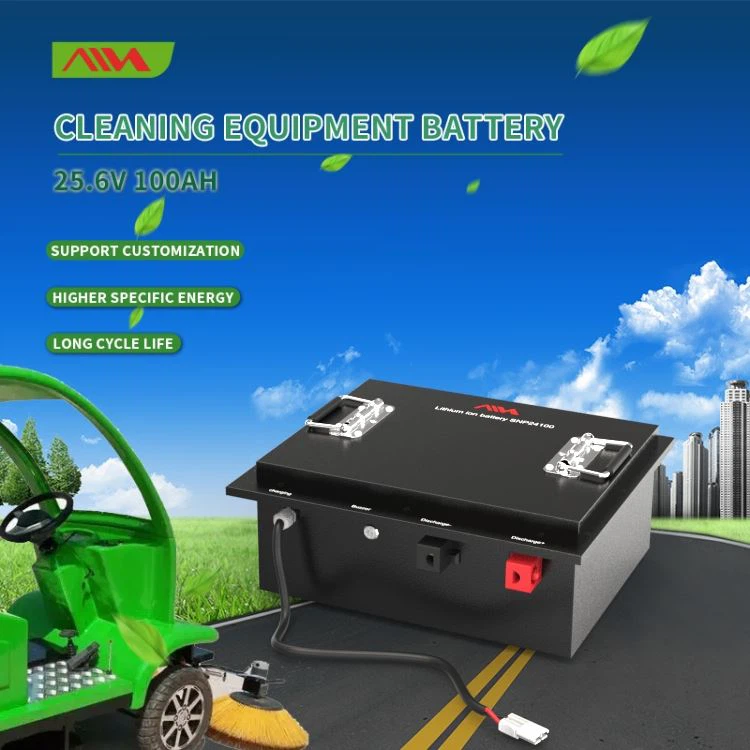
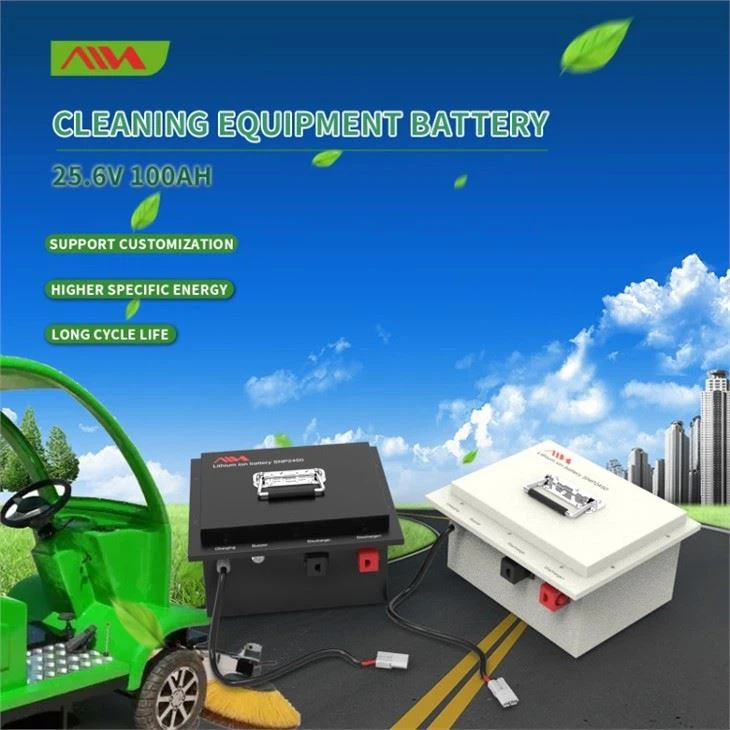
If you need a more customized solution, our Customized LiFePO4 24V 50Ah 100Ah Floor Cleaning Machine Battery Operated Floor Sweeper Battery can be tailored to your specific requirements. And for those who need a high - capacity battery, our Sweeper Robot 24V 100ah Lifepo4 Battery can handle the toughest jobs on your boat.
Conclusion
In conclusion, a 24V battery can definitely be used in a marine application. It offers many advantages in terms of power output, efficiency, and the ability to handle high - power equipment. However, you need to consider compatibility, charging, and safety aspects.
If you're thinking about using a 24V battery for your boat, we're here to help. We have the expertise and the right products to meet your needs. Whether you're a weekend sailor or a professional mariner, we can provide you with the best 24V battery solution for your marine adventures. Don't hesitate to reach out to us if you have any questions or if you're interested in purchasing our 24V batteries. Let's work together to power your boat safely and efficiently!
References
- "Marine Electrical Systems Handbook" by Nigel Calder
- Various industry reports on marine battery technology and applications.