




Hey there! As a 12V battery supplier, I've seen firsthand how important it is to know how to series 12V batteries properly. Whether you're looking to power up a home energy storage system, an RV, or some other application, getting the battery connection right is crucial. In this blog, I'm gonna walk you through the ins and outs of series - connecting 12V batteries.
Why Series - Connect 12V Batteries?
First off, let's talk about why you'd want to series - connect 12V batteries in the first place. When you connect batteries in series, you're essentially increasing the overall voltage while keeping the amp - hour (Ah) rating the same. For example, if you series - connect two 12V, 100Ah batteries, you'll end up with a 24V, 100Ah battery bank. This is super useful when your application requires a higher voltage than a single 12V battery can provide.
Let's say you're setting up a home energy storage system. Some inverters and other equipment might need a 24V or 48V power source to operate efficiently. By series - connecting 12V batteries, you can easily meet these voltage requirements.
Tools and Safety Precautions
Before you start series - connecting your 12V batteries, you'll need a few tools. You'll need a good set of wrenches or pliers to tighten the battery terminals properly. Make sure the wrenches are insulated to prevent any accidental short - circuits. You'll also need battery cables that are thick enough to handle the current flow.
Safety is of the utmost importance here. Always wear safety goggles and gloves when working with batteries. Batteries can produce hydrogen gas, which is highly flammable, so make sure you're working in a well - ventilated area. And never touch both the positive and negative terminals at the same time to avoid getting an electric shock.
Step - by - Step Guide to Series - Connecting 12V Batteries
- Prepare Your Batteries: First, make sure your batteries are fully charged. Check the battery terminals for any signs of corrosion. If there's corrosion, clean it off using a mixture of baking soda and water. This will ensure a good electrical connection.
- Identify the Terminals: Each 12V battery has a positive (+) and a negative (-) terminal. The positive terminal is usually marked with a plus sign and is larger in size, while the negative terminal has a minus sign.
- Connect the Batteries: To series - connect the batteries, you'll connect the negative terminal of one battery to the positive terminal of the next battery. Use a battery cable to make this connection. Make sure the cable is tightened securely to the terminals. For example, if you have two 12V batteries, Battery A and Battery B, you'd connect the negative terminal of Battery A to the positive terminal of Battery B.
- Determine the Output Terminals: After connecting the batteries in series, the remaining positive terminal of the first battery in the series and the remaining negative terminal of the last battery in the series will be your output terminals. These are the terminals you'll connect to your load or charging system.
Example of Series - Connecting Multiple 12V Batteries
Let's say you want to create a 48V battery bank using four 12V batteries. Here's how you'd do it:
- Connect the negative terminal of Battery 1 to the positive terminal of Battery 2.
- Connect the negative terminal of Battery 2 to the positive terminal of Battery 3.
- Connect the negative terminal of Battery 3 to the positive terminal of Battery 4.
- The positive terminal of Battery 1 and the negative terminal of Battery 4 will be your 48V output terminals.
Monitoring and Maintenance
Once you've series - connected your 12V batteries, it's important to monitor them regularly. Check the battery voltage using a voltmeter. If the voltage of one battery is significantly different from the others, it could indicate a problem.
Also, keep an eye on the battery temperature. Batteries can overheat if they're being over - charged or over - discharged. If you notice any unusual heating, disconnect the batteries and investigate the issue.


Our 12V Battery Products
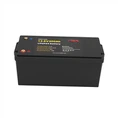
As a 12V battery supplier, we offer a wide range of high - quality 12V batteries that are perfect for series - connection. For example, our Lifepo4 LFP Battery Pack 12v 300Ah Lithium Lon Battery Rechargeable Battery Pack For Home Energy Storage is a great choice for home energy storage systems. It has a high capacity and is rechargeable, making it ideal for long - term use.
We also have the Deep Cycle 12V 100Ah Rechargeable Lifepo4 Battery Pack With Build - in Bluetooth BMS. The built - in Bluetooth Battery Management System (BMS) allows you to monitor the battery's status easily using your smartphone.
And for RV enthusiasts, our Deep Cycle 12v 100ah Lifepo4 RV Battery Pack is a top - notch option. It's designed to handle the deep - cycle demands of RVs and other mobile applications.
Conclusion
Series - connecting 12V batteries is a relatively simple process, but it's important to do it right to ensure the safety and efficiency of your battery bank. By following the steps outlined in this blog and using high - quality batteries like the ones we offer, you can create a reliable power source for your various applications.
If you're interested in purchasing our 12V batteries or have any questions about series - connecting batteries, don't hesitate to reach out. We're here to help you find the best battery solutions for your needs. Let's start a conversation about your battery requirements and get you on the path to a reliable power supply.
References
- Battery University: A comprehensive resource for battery knowledge and best practices.
- National Fire Protection Association (NFPA) standards for battery safety.