


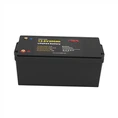
The self - discharge rate of a UPS (Uninterruptible Power Supply) battery is a crucial parameter that can significantly impact the performance and reliability of the UPS system. As a UPS battery supplier, I've witnessed firsthand how understanding this concept is essential for both end - users and system integrators. In this blog, I'll delve into what the self - discharge rate is, why it matters, and how it affects UPS battery applications.
What is the Self - Discharge Rate?
The self - discharge rate of a battery refers to the rate at which a battery loses its charge when it is not in use. Even when a battery is sitting idle, chemical reactions continue to occur within it, causing a gradual loss of stored energy. This phenomenon is inevitable and is a characteristic of all types of rechargeable batteries, including those used in UPS systems.
The self - discharge rate is typically expressed as a percentage of the battery's capacity per unit of time. For example, a battery with a self - discharge rate of 5% per month means that if the battery is fully charged and then left unused, it will lose 5% of its charge after one month.


Factors Affecting the Self - Discharge Rate
There are several factors that can influence the self - discharge rate of a UPS battery:
Battery Chemistry
Different battery chemistries have different self - discharge rates. For instance, lead - acid batteries, which are commonly used in UPS systems, generally have a relatively high self - discharge rate compared to lithium - ion batteries. Lead - acid batteries can self - discharge at a rate of around 3 - 20% per month, depending on factors such as temperature and the type of lead - acid technology (e.g., flooded, sealed, or gel). On the other hand, lithium - ion batteries typically have a much lower self - discharge rate, often in the range of 1 - 5% per month.
Temperature
Temperature plays a significant role in the self - discharge rate of a battery. Higher temperatures accelerate the chemical reactions within the battery, leading to a faster self - discharge rate. For every 10°C increase in temperature, the self - discharge rate of a battery can approximately double. This means that if a battery has a self - discharge rate of 5% per month at 20°C, it could have a self - discharge rate of 10% per month at 30°C.
State of Charge
The state of charge (SOC) of a battery also affects its self - discharge rate. Batteries tend to self - discharge more rapidly when they are fully charged or when they are in a high - SOC state. This is because the chemical reactions that cause self - discharge are more active when there is a higher concentration of charged species within the battery.
Why the Self - Discharge Rate Matters in UPS Applications
In UPS applications, the self - discharge rate is of utmost importance for several reasons:
System Reliability
A high self - discharge rate can reduce the available backup time of a UPS system. If a battery self - discharges too quickly, it may not be able to provide sufficient power during a power outage. This can lead to system failures, data loss, and damage to critical equipment. For example, in a data center, a UPS with a battery that has a high self - discharge rate may not be able to keep the servers running long enough to allow for a proper shutdown in the event of a power failure.
Maintenance Requirements
The self - discharge rate also affects the maintenance requirements of a UPS battery. Batteries with a high self - discharge rate need to be recharged more frequently to maintain their charge level. This can increase the energy consumption and maintenance costs of the UPS system. In addition, frequent recharging can also reduce the lifespan of the battery, as it subjects the battery to more charge - discharge cycles.
Cost - Effectiveness
Understanding the self - discharge rate can help in choosing the most cost - effective battery for a UPS application. While lithium - ion batteries may have a higher upfront cost compared to lead - acid batteries, their lower self - discharge rate can result in lower long - term costs. This is because they require less frequent recharging and have a longer lifespan, which can offset the initial investment.
How to Mitigate the Impact of Self - Discharge
As a UPS battery supplier, I often recommend the following strategies to mitigate the impact of self - discharge:
Temperature Control
Maintaining the battery at an optimal temperature can significantly reduce the self - discharge rate. This can be achieved by installing the UPS system in a temperature - controlled environment, such as a climate - controlled room or a data center with proper cooling systems.
Regular Monitoring and Recharging
Regularly monitoring the state of charge of the battery and recharging it as needed can help to ensure that the battery is always ready to provide backup power. Many modern UPS systems are equipped with battery management systems (BMS) that can monitor the SOC and temperature of the battery and automatically recharge it when necessary.
Choosing the Right Battery Chemistry
Selecting a battery with a low self - discharge rate, such as a lithium - ion battery, can be a good option for applications where long - term reliability and low maintenance are required. For example, in applications where the UPS system may be idle for long periods of time, a lithium - ion battery can provide better performance and cost - effectiveness.
Related Products
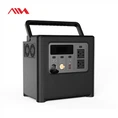
If you're looking for reliable power solutions, we also offer a range of portable power stations. Check out our 500W Solar Portable Power Station, 900W Solar Portable Power Station, and Sunnew Portable Outdoor Solar Energy System Power Station 700w Lithium Ion Portable Power Station. These power stations are ideal for outdoor activities, emergency backup, and off - grid applications.
Conclusion
In conclusion, the self - discharge rate of a UPS battery is a critical factor that can affect the performance, reliability, and cost - effectiveness of a UPS system. By understanding the factors that influence the self - discharge rate and taking appropriate measures to mitigate its impact, end - users and system integrators can ensure that their UPS systems are always ready to provide reliable backup power.
If you're interested in learning more about UPS batteries or if you're looking to purchase high - quality UPS batteries for your application, please don't hesitate to contact us for procurement and further discussions. We're here to help you find the best battery solutions for your needs.
References
- Linden, D., & Reddy, T. B. (2002). Handbook of Batteries. McGraw - Hill.
- Berndt, D. D. (2011). Lead - Acid Batteries: Science and Technology. Springer.
- Spotnitz, R. M., & Franklin, J. (2012). Lithium - Ion Batteries: Science and Technologies. Springer.