



As a supplier of 24V batteries, I often encounter inquiries from customers about whether a 24V battery can be used in a power tool. This is a crucial question that involves not only the compatibility between the battery and the tool but also the performance and safety of the entire system. In this blog, I will delve into this topic, providing you with comprehensive insights to help you make an informed decision.
Understanding the Basics of Power Tools and Batteries
Before we discuss the compatibility of 24V batteries with power tools, it's essential to understand the fundamental concepts of power tools and batteries. Power tools are designed to perform specific tasks, such as drilling, sawing, or sanding, and they require a certain amount of power to operate effectively. The power of a tool is typically measured in watts (W), which is the product of voltage (V) and current (A).
Batteries, on the other hand, are energy storage devices that provide the necessary power to run the tools. They come in various voltages, capacities, and chemistries, each with its own characteristics and applications. The voltage of a battery determines the potential difference between its positive and negative terminals, which in turn affects the power output and performance of the connected device.
Factors to Consider When Using a 24V Battery in a Power Tool
Compatibility
The first and most important factor to consider is the compatibility between the 24V battery and the power tool. Not all power tools are designed to work with 24V batteries. Some tools may be specifically designed for lower voltages, such as 12V or 18V, while others may require higher voltages. It's crucial to check the tool's user manual or specifications to determine the recommended voltage range.
Using a battery with a voltage that is too high or too low can have several negative consequences. If the voltage is too high, it can cause the tool to overheat, damage the internal components, or even pose a safety hazard. On the other hand, if the voltage is too low, the tool may not operate at its full capacity, resulting in reduced performance and efficiency.
Power Requirements
In addition to voltage compatibility, you also need to consider the power requirements of the power tool. Different tools have different power consumption rates, depending on their size, type, and the tasks they are designed to perform. For example, a heavy-duty drill may require more power than a small handheld screwdriver.
To ensure that the 24V battery can meet the power requirements of the tool, you need to check the battery's capacity, which is measured in ampere-hours (Ah). The capacity of a battery indicates how much charge it can store and deliver over a certain period of time. A higher capacity battery can provide more power and run the tool for a longer duration.
Battery Chemistry
Another important factor to consider is the battery chemistry. There are several types of battery chemistries available on the market, including lead-acid, nickel-cadmium (NiCd), nickel-metal hydride (NiMH), and lithium-ion (Li-ion). Each chemistry has its own advantages and disadvantages in terms of performance, lifespan, and cost.
Lithium-ion batteries are becoming increasingly popular for power tools due to their high energy density, lightweight, and long lifespan. They also have a low self-discharge rate, which means they can hold their charge for a longer time when not in use. For example, our Sweeper Robot 24V 100ah Lifepo4 Battery is a LiFePO4 battery, which offers excellent performance and reliability for various applications.
Safety
Safety is always a top priority when using power tools and batteries. When using a 24V battery in a power tool, you need to ensure that the battery is properly installed, connected, and maintained. Make sure to follow the manufacturer's instructions and safety guidelines to prevent any potential hazards, such as short circuits, overheating, or explosions.
It's also important to use a battery charger that is specifically designed for the 24V battery. Using an incompatible charger can damage the battery and pose a safety risk. Always charge the battery in a well-ventilated area and avoid overcharging or discharging the battery.
Advantages of Using a 24V Battery in a Power Tool
Higher Power Output
One of the main advantages of using a 24V battery in a power tool is the higher power output. Compared to lower voltage batteries, a 24V battery can provide more power, allowing the tool to operate at a higher speed and with greater torque. This is especially beneficial for heavy-duty applications that require more power, such as drilling through thick materials or cutting hard metals.

Longer Runtime
Another advantage of using a 24V battery is the longer runtime. A higher voltage battery can store more energy, which means it can run the tool for a longer period of time without needing to be recharged. This is particularly useful for professionals who need to work for extended periods without interruption.
Compatibility with a Wide Range of Tools
24V batteries are becoming increasingly popular in the power tool industry, and many manufacturers are now offering a wide range of tools that are compatible with 24V batteries. This means that you can use the same battery for multiple tools, which can save you money and reduce the need for multiple chargers and batteries.
Applications of 24V Batteries in Power Tools
Cleaning Equipment
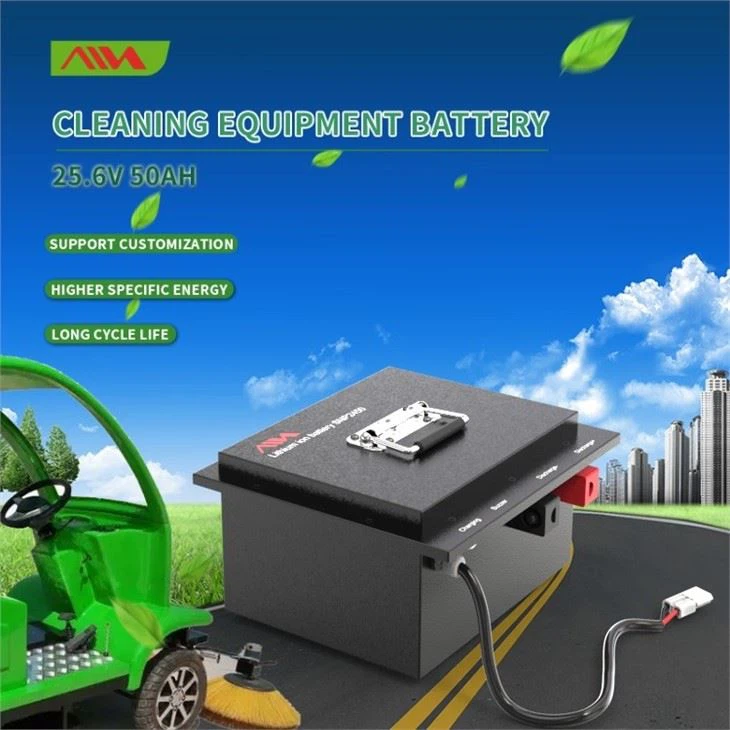
24V batteries are commonly used in cleaning equipment, such as floor sweepers and scrubbers. Our Customized LiFePO4 24V 50Ah 100Ah Floor Cleaning Machine Battery Operated Floor Sweeper Battery is specifically designed for floor cleaning machines, providing reliable power and long runtime. These batteries offer a clean and efficient alternative to traditional lead-acid batteries, with lower maintenance requirements and longer lifespan.
Outdoor Power Tools
24V batteries are also suitable for outdoor power tools, such as lawn mowers, leaf blowers, and hedge trimmers. They provide the necessary power to operate these tools effectively, while also offering the convenience of cordless operation. Our Cleaning Equipment Battery Pack 24V 50ah can be used in a variety of outdoor power tools, providing reliable performance and long runtime.
Industrial Power Tools
In industrial settings, 24V batteries are often used in power tools that require high power and long runtime, such as impact wrenches, angle grinders, and circular saws. These tools are used in a variety of industries, including construction, manufacturing, and automotive repair. The high power output and long runtime of 24V batteries make them ideal for these demanding applications.
Conclusion
In conclusion, a 24V battery can be used in a power tool, but it's important to consider several factors, such as compatibility, power requirements, battery chemistry, and safety. If the tool is designed to work with a 24V battery and the battery can meet the power requirements of the tool, then using a 24V battery can offer several advantages, including higher power output, longer runtime, and compatibility with a wide range of tools.
As a supplier of 24V batteries, we offer a wide range of high-quality batteries that are suitable for various power tool applications. Our batteries are designed to provide reliable performance, long lifespan, and excellent safety features. If you have any questions or need further information about our 24V batteries, please feel free to contact us for a purchase negotiation. We look forward to working with you and providing you with the best battery solutions for your power tool needs.
References
- "Power Tool Basics: Understanding Voltage, Amps, and Watts." DIY Network.
- "Battery Chemistry: A Guide to Different Types of Batteries." Battery University.
- "Safety Guidelines for Using Power Tools and Batteries." Occupational Safety and Health Administration (OSHA).