


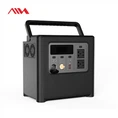
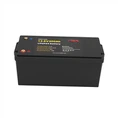

Using solar batteries on boats offers a clean and sustainable way to power your marine adventures. As a solar battery supplier, I've seen firsthand the unique challenges and opportunities that come with integrating solar energy storage systems on watercraft. In this blog post, I'll share some special considerations for using solar batteries on boats, so you can make an informed decision when choosing the right battery for your vessel.
1. Space and Installation
One of the first things you need to consider when using solar batteries on a boat is the available space for installation. Boats typically have limited space, so you'll want to choose a battery that is compact and easy to install. Our 51.2V 200Ah LiFePO4 Floor Type Power System is a great option for boats, as it has a low profile and can be placed on the floor or in a cabinet. It also comes with a built-in battery management system (BMS) that ensures safe and efficient operation.
Another important factor to consider is the weight of the battery. Boats are designed to be lightweight, so you'll want to choose a battery that is as light as possible without sacrificing performance. Lithium iron phosphate (LiFePO4) batteries are a popular choice for boats because they are lighter and more energy-dense than traditional lead-acid batteries. Our Sunnew Powerwall Home Battery 5Kw 10Kw 20Kwh 48V Lithium Lron Phosphate Battery Pack For Solar Power System is a high-quality LiFePO4 battery that offers excellent performance and reliability.


2. Durability and Resistance
Boats are exposed to harsh environmental conditions, including saltwater, humidity, and extreme temperatures. Therefore, it's important to choose a solar battery that is durable and resistant to these conditions. Our batteries are designed to withstand the rigors of marine use, with features such as waterproof enclosures, corrosion-resistant materials, and high-temperature tolerance.
For example, our 10KWH Lithium Battery Pack 48V 200Ah Lifepo4 Batteries Power Wall 10KW Battery Bank Power Supply is built with a rugged aluminum enclosure that is IP65 rated, which means it is dust-tight and protected against low-pressure water jets. This makes it suitable for use in both freshwater and saltwater environments.
3. Charging and Discharging
Proper charging and discharging are crucial for the performance and lifespan of your solar battery. When using solar batteries on a boat, you'll need to consider the charging sources available on your vessel. Most boats have a solar panel system, which can be used to charge the battery during the day. However, you may also need to use a shore power connection or a generator to charge the battery when the sun is not shining.
It's important to choose a battery that is compatible with your charging system and has a high charging efficiency. Our batteries are designed to work with a variety of charging sources, including solar panels, shore power, and generators. They also have a high charging efficiency, which means they can be charged quickly and efficiently.
In addition, you'll need to consider the discharging rate of your battery. Boats often have high power demands, especially when running appliances such as refrigerators, air conditioners, and navigation equipment. Therefore, you'll want to choose a battery that can provide a high discharge rate without overheating or damaging the battery. Our batteries are designed to provide a high discharge rate, making them suitable for use in boats with high power demands.
4. Safety
Safety is always a top priority when using solar batteries on a boat. Lithium batteries, in particular, require special handling and safety precautions to prevent overheating, overcharging, and short circuits. Our batteries are equipped with a built-in BMS that monitors the battery's temperature, voltage, and current to ensure safe and efficient operation.
In addition, our batteries are designed with multiple safety features, such as overcharge protection, over-discharge protection, short circuit protection, and thermal protection. These features help to prevent accidents and ensure the safety of your boat and crew.
5. Maintenance
Finally, you'll need to consider the maintenance requirements of your solar battery. Unlike traditional lead-acid batteries, LiFePO4 batteries require very little maintenance. They do not need to be topped up with water, and they have a longer lifespan than lead-acid batteries.
However, you'll still need to perform some basic maintenance tasks, such as checking the battery's voltage and temperature regularly, and cleaning the battery terminals to prevent corrosion. Our batteries come with a user manual that provides detailed instructions on how to maintain and care for your battery.
Conclusion
Using solar batteries on boats offers many benefits, including clean and sustainable power, reduced fuel consumption, and increased reliability. However, there are some special considerations that you need to keep in mind when choosing and using solar batteries on a boat. By considering factors such as space and installation, durability and resistance, charging and discharging, safety, and maintenance, you can choose the right battery for your vessel and ensure its optimal performance and lifespan.
If you're interested in learning more about our solar batteries for boats or would like to discuss your specific requirements, please feel free to contact us. We're here to help you find the best solar battery solution for your boat and ensure a smooth and enjoyable boating experience.
References
- Marine Electrical Systems Handbook, Third Edition by Nigel Calder
- Solar Power for Boats: A Practical Guide by David Gerr