


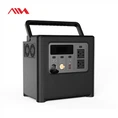
Hey there! As a supplier of 48V batteries, I often get asked whether a 48V battery can be used in a communication base station. Well, let's dive right into this topic and find out.
Why 48V in Communication Base Stations?
First off, communication base stations need a stable and reliable power source. A long - standing industry standard voltage for these stations is 48V. This voltage level has been chosen for several good reasons. It offers a balance between safety and power capacity. Compared to higher voltages, 48V is relatively safe for technicians to work with during installation, maintenance, and troubleshooting. At the same time, it can deliver enough power to run the various equipment in a base station, such as radio transmitters, receivers, and signal processing units.
Types of 48V Batteries Suitable for Base Stations
There are different types of 48V batteries, and each has its own pros and cons when it comes to use in communication base stations.
Lithium - Iron Phosphate (LiFePO4) Batteries
LiFePO4 batteries have gained a lot of popularity in recent years. They are known for their long cycle life. A typical LiFePO4 battery can go through thousands of charge - discharge cycles, which means they can last a long time in a base station environment. They also have a high energy density, so they can store a large amount of energy in a relatively small space. This is crucial in base stations where space is often limited.
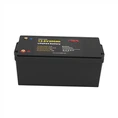
For example, our Deep Cycle 200ah 48v Lithium Iron Phosphate Rechargeable Lifepo4 Lithium Battery Pack is a great option. It's designed to provide a stable power supply over a long period. The deep - cycle feature allows it to be discharged and recharged deeply without significant damage to the battery cells, which is important as base stations may experience periods of high power demand followed by recharge periods.
Lead - Acid Batteries
Lead - acid batteries have been around for a long time and are a traditional choice for base stations. They are relatively inexpensive compared to some other battery types. However, they have some drawbacks. They have a shorter cycle life compared to LiFePO4 batteries. Also, they are heavier and bulkier, which can be a problem when space is at a premium. And they require more maintenance, such as checking the electrolyte levels regularly.
Smart Lithium - Ion Batteries with BMS
Another option is the Rechargeable Smart BMS Bluetooth Lithium Ion Battery 48v 100ah Lithium Battery Lifepo4 Battery. These batteries come with a built - in Battery Management System (BMS). The BMS is like a brain for the battery. It monitors the battery's state of charge, state of health, and can protect the battery from overcharging, over - discharging, and short - circuits. The Bluetooth feature allows for easy monitoring and management of the battery's status remotely, which is extremely useful for base station operators who may need to keep an eye on the battery's performance without physically being at the site.
Advantages of Using 48V Batteries in Communication Base Stations
Compatibility
Most of the equipment in a communication base station is designed to operate at 48V. So, using a 48V battery ensures seamless compatibility. There's no need for complex voltage conversion equipment, which can save both money and space in the base station setup.
Redundancy and Backup
48V batteries can be easily configured in parallel or series to provide redundancy and backup power. In case of a power outage from the main grid, the batteries can kick in immediately to keep the base station running. This is essential for maintaining continuous communication services, especially in areas where power outages are common.
Cost - Efficiency in the Long Run
Although the initial cost of some 48V batteries, like LiFePO4 batteries, may be higher than lead - acid batteries, they offer better cost - efficiency in the long run. Their long cycle life means less frequent battery replacements, which reduces the overall cost of ownership over the life of the base station.
Considerations When Using 48V Batteries in Base Stations
Temperature Management
Battery performance is highly affected by temperature. In a communication base station, proper temperature management is crucial. High temperatures can accelerate battery degradation, while low temperatures can reduce the battery's capacity and performance. So, the base station should be equipped with a proper heating and cooling system to keep the battery within its optimal operating temperature range.
Charging System
A good charging system is essential for the health of 48V batteries. The charging system should be able to provide the right amount of charge at the right voltage and current. Overcharging can damage the battery cells, while under - charging can lead to sulfation in lead - acid batteries and reduced capacity in lithium - based batteries.
Real - World Examples
In many rural areas where the power grid is unreliable, 48V batteries have been a game - changer for communication base stations. For instance, in some remote villages, base stations powered by 48V LiFePO4 batteries can continue to operate for days during power outages, ensuring that people in those areas can still make calls, send messages, and access the internet.
Another example is in urban areas where base stations are often located in high - rise buildings or small cabinets. The compact size and high energy density of 48V lithium - based batteries make them a perfect fit for these space - constrained environments.


Conclusion
So, to answer the question, yes, a 48V battery can definitely be used in a communication base station. In fact, it's one of the best options available due to its compatibility, reliability, and cost - efficiency in the long run. Whether you choose a lead - acid battery for its low initial cost or a lithium - based battery for its long cycle life and high performance, there's a 48V battery solution that can meet your base station's needs.
If you're in the market for a 48V battery for your communication base station, we'd love to talk to you. We have a wide range of high - quality 48V batteries, including the Deep Cycle 48V 200ah EV Battery, that are suitable for different base station requirements. Contact us to discuss your specific needs and let's find the perfect battery solution together.
References
- Battery University, "Understanding Lithium - Ion Batteries".
- IEEE Communications Magazine, "Power Management in Communication Base Stations".