



Hey there, folks! As a supplier of home batteries, I've seen firsthand how these nifty devices are changing the game when it comes to our relationship with the power grid. So, let's dig into how a home battery interacts with the grid and why it's such a big deal.
The Basics of Home Batteries and the Grid
First off, what's a home battery? It's basically a big rechargeable battery that you can install at your place to store electricity. Think of it like a big energy piggy bank. You can charge it up when there's extra power available and use that stored energy later when you need it.
The power grid, on the other hand, is like a massive network that delivers electricity from power plants to our homes and businesses. It's a complex system that has to balance supply and demand in real - time.


Now, when you have a home battery, it can play a few different roles in this grid ecosystem.
Charging from the Grid
One of the most common ways a home battery interacts with the grid is by charging from it. You can set your battery to charge during off - peak hours. These are the times when the demand for electricity is low, usually at night. Why? Well, electricity prices are often lower during these periods. So, you're essentially buying electricity when it's cheap and storing it for later use.
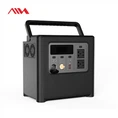
Let's say you have a 700W Solar Portable Power Station. It can also be charged from the grid, and then you can use that stored power during the day when you might need it for running your appliances or charging your electric vehicle. This helps you save money on your electricity bills and also reduces the strain on the grid during peak hours.
Discharging to the Home
When your home needs electricity, your battery can discharge its stored energy. For example, during a hot summer day when everyone's running their air conditioners and the grid is under stress, your home battery can kick in and power your essential appliances. This is great for you because it keeps your lights on and your home comfortable, and it's also good for the grid because it reduces the overall demand.
Imagine you're out camping and you have an 800W Portable Generator For Outdoor Camping. It's similar in the sense that it provides power when you need it, but a home battery is more integrated with your home's power system and can work in tandem with the grid.
Feeding Power Back to the Grid
Here's where things get really interesting. Some home batteries are capable of feeding power back to the grid. This is called grid - feeding or selling electricity back to the utility company. When your battery has more energy than your home needs, it can send that extra power back into the grid.
There are a few reasons why this is beneficial. For one, it can earn you some money. Utility companies are often willing to pay homeowners for the excess electricity they provide. It also helps support the grid by adding more power during peak demand times.
Let's say you have an Outdoor 200W 110V 220V Ac Qc3.0 Fast Charge Emergency Multi - Function Portable Lithium Power Station. In a home setup, if it's part of a larger battery system and there's extra power, it can contribute to the grid - feeding process.
Grid Support and Stability
Home batteries can also play a crucial role in grid support and stability. The power grid has to deal with fluctuations in supply and demand all the time. For example, if a power plant suddenly goes offline, there's a drop in supply. Home batteries can help fill that gap by quickly discharging their stored energy.
They can also provide what's called frequency regulation. The grid operates at a specific frequency, and any deviation from that can cause problems. Home batteries can adjust their charging and discharging rates to help keep the grid frequency stable.
Challenges and Considerations
Of course, it's not all sunshine and rainbows. There are some challenges when it comes to home batteries interacting with the grid. One of the main issues is the cost. Home batteries can be quite expensive to install. However, as technology improves and economies of scale come into play, the prices are gradually coming down.
Another challenge is the regulatory environment. Different regions have different rules and regulations regarding home batteries and grid - feeding. Some areas have complex permitting processes, while others may have restrictions on how much power you can sell back to the grid.
The Future of Home Batteries and the Grid
The future looks bright for home batteries and their interaction with the grid. As more and more people adopt renewable energy sources like solar panels, home batteries will become even more important. They can store the excess energy generated by solar panels during the day and use it at night or during cloudy days.
We're also likely to see more advanced control systems that allow for better integration between home batteries and the grid. These systems will be able to optimize charging and discharging based on real - time electricity prices, grid conditions, and your home's energy needs.
Why You Should Consider a Home Battery
If you're still on the fence about getting a home battery, here are a few reasons to think about it. First, it gives you more control over your energy usage. You're not at the mercy of the grid and its fluctuating prices. Second, it can increase the reliability of your power supply. During power outages, your home battery can keep your essential appliances running.
Finally, it's a step towards a more sustainable future. By using a home battery, you're reducing your carbon footprint and helping to support the integration of renewable energy sources into the grid.
Let's Talk Business
If you're interested in learning more about our home battery solutions or want to start a conversation about how they can work for you, we'd love to hear from you. Whether you're a homeowner looking to save on energy costs or a business owner wanting to improve your energy reliability, our team of experts can help you find the right solution. Reach out to us, and let's start this energy - saving journey together.
References
- Various industry reports on home battery technology and grid integration
- Utility companies' data on off - peak and peak electricity demand and pricing