



Can a Brick Battery be used in an electric vehicle?
Hey there! I'm a supplier of brick batteries, and I've been getting a lot of questions lately about whether these batteries can be used in electric vehicles (EVs). It's a super interesting topic, so I thought I'd dive in and share my thoughts.
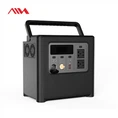
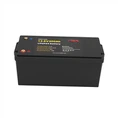
First off, let's talk about what a brick battery is. A brick battery is a type of energy storage solution that's designed to be modular and easy to install. They come in different sizes and capacities, like the Brick 30KWh Battery For Home ESS, the Sunnew 15KWh 48V 300Ah Stackable LiFePO4 Battery Pack, and the LiFePO4 51.2V 200Ah 10Kwh Brick Battery. These batteries are commonly used for home energy storage systems, but the question is, can they be used in EVs?
Advantages of Using Brick Batteries in EVs
One of the main advantages of brick batteries is their modularity. This means you can stack multiple batteries together to increase the overall capacity. In an EV, having a modular battery system can be really handy. If you need more range, you can simply add another brick battery. It's a lot easier than having to deal with a single large battery that might be difficult to replace or upgrade.
Another advantage is their safety. Many brick batteries use lithium iron phosphate (LiFePO4) chemistry, which is known for being more stable and less prone to thermal runaway compared to other lithium-ion chemistries. This is a big plus in an EV, where safety is a top priority.
Brick batteries also tend to have a long cycle life. This means they can be charged and discharged many times without losing too much of their capacity. In an EV, a long cycle life is essential because you'll be charging and discharging the battery every time you drive.
Challenges of Using Brick Batteries in EVs
However, there are also some challenges to using brick batteries in EVs. One of the biggest challenges is the energy density. EVs require a high energy density battery to achieve a reasonable range. While brick batteries have come a long way in terms of energy density, they still might not be as high as some of the specialized batteries used in EVs right now.
Another challenge is the weight. EVs need to be as lightweight as possible to maximize efficiency. Brick batteries, especially when you stack multiple ones together, can add a significant amount of weight to the vehicle. This can reduce the range and performance of the EV.
The cost is also a factor. While brick batteries are becoming more affordable, they might still be more expensive than some of the mass-produced batteries used in EVs. This could make the overall cost of the EV higher, which might be a deterrent for some consumers.
Compatibility and Integration
In addition to the technical challenges, there's also the issue of compatibility and integration. EVs have specific requirements for their battery management systems (BMS). The BMS is responsible for monitoring and controlling the charging and discharging of the battery to ensure its safety and performance. Brick batteries need to be compatible with the EV's BMS to work properly.


There's also the issue of physical integration. The battery needs to fit into the EV's battery compartment and be properly connected to the vehicle's electrical system. This might require some custom engineering, which can add to the cost and complexity.
Real-World Examples and Case Studies
While there aren't many widespread examples of brick batteries being used in EVs yet, there are some interesting projects and research going on. Some companies are looking into using modular battery systems in EVs, and brick batteries could potentially be a part of that.
For example, in some small-scale electric vehicles like electric scooters or golf carts, modular batteries are already being used. These vehicles have less demanding requirements in terms of range and performance, so brick batteries could be a viable option.
Future Prospects
The future of using brick batteries in EVs looks promising. As technology continues to improve, we can expect to see an increase in the energy density and a decrease in the weight of brick batteries. This will make them more suitable for use in EVs.
There's also a growing trend towards more sustainable and modular battery solutions in the EV industry. Brick batteries fit well into this trend, as they can be easily recycled and upgraded.
Conclusion
So, can a brick battery be used in an electric vehicle? The answer is yes, but there are still some challenges to overcome. The modularity, safety, and long cycle life of brick batteries make them an attractive option, but the energy density, weight, and cost are currently limiting factors.
As a brick battery supplier, I'm excited about the potential of using our batteries in EVs. We're constantly working on improving our products to make them more suitable for this application.
If you're interested in learning more about our brick batteries and their potential use in EVs, or if you're looking to purchase our batteries for other applications, I'd love to hear from you. Let's start a conversation and see how we can work together to meet your energy storage needs.
References
- Research on Lithium-Iron Phosphate Batteries for Electric Vehicles
- Studies on Modular Battery Systems in the Automotive Industry
- Reports on the Future of Energy Storage in Electric Vehicles