



Hey there! As a forklift battery supplier, I've seen it all when it comes to charging methods for forklift batteries. It's a crucial topic because getting the right charging method can extend the battery's lifespan, improve performance, and save you a lot of money in the long run. So, let's dive into what I think are the best charging methods for forklift batteries.
Understanding Forklift Batteries
First off, we need to understand the types of forklift batteries out there. The most common ones are lead - acid batteries and lithium - ion batteries, especially lithium iron phosphate (LiFePO4) batteries. Each type has its own characteristics, and these characteristics determine the best charging methods.
Lead - acid batteries have been around for a long time. They're relatively inexpensive and can handle high currents during charging and discharging. But they do have some drawbacks. They need regular maintenance, like adding water to the cells, and they don't have as long a lifespan as lithium - ion batteries.
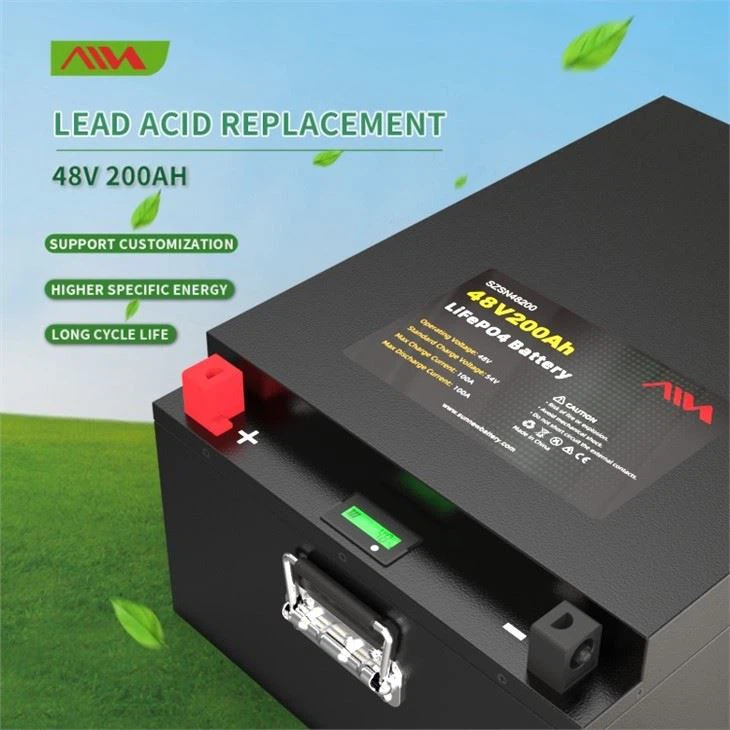
On the other hand, lithium - ion batteries, such as the Deep Cycle 48V 200ah EV Battery, Deep Cycle 200ah 48v Lithium Iron Phosphate Rechargeable Lifepo4 Lithium Battery Pack, and Rechargeable Smart BMS Bluetooth Lithium Ion Battery 48v 100ah Lithium Battery Lifepo4 Battery, are becoming more popular. They're lighter, have a longer lifespan, and require less maintenance. They also have a higher energy density, which means they can store more energy in a smaller space.
Charging Methods for Lead - Acid Batteries
Conventional Charging
Conventional charging is the most basic method for lead - acid batteries. It involves slowly charging the battery over a long period, usually 8 - 16 hours. This method is simple and doesn't require any fancy equipment. But it has its limitations. It can take a long time to fully charge the battery, which can be a problem if you need to use the forklift frequently.
During conventional charging, the charger applies a constant voltage to the battery until it reaches a certain state of charge. Then, the charger switches to a lower voltage to maintain the charge without overcharging the battery. This is a slow and steady process that helps to preserve the battery's lifespan.
Fast Charging
Fast charging is a more recent development for lead - acid batteries. It allows you to charge the battery in a shorter amount of time, usually 1 - 3 hours. However, fast charging can generate a lot of heat, which can damage the battery if not properly managed.

To use fast charging safely, you need a charger that can regulate the charging current and voltage. The charger should also have a cooling system to prevent the battery from overheating. Fast charging is great when you're in a hurry, but it shouldn't be used all the time because it can reduce the battery's lifespan.
Charging Methods for Lithium - Ion Batteries
Constant Current - Constant Voltage (CC - CV) Charging
CC - CV charging is the standard method for lithium - ion batteries. In the first stage, the charger applies a constant current to the battery. This allows the battery to charge quickly until it reaches a certain voltage. Once the battery reaches this voltage, the charger switches to a constant voltage mode. In this mode, the charging current gradually decreases as the battery becomes fully charged.
This method is very efficient and helps to prevent overcharging, which can be dangerous for lithium - ion batteries. Most lithium - ion batteries, like the ones I mentioned earlier, come with a built - in Battery Management System (BMS) that monitors the charging process and ensures that the battery is charged safely.
Opportunity Charging
One of the great advantages of lithium - ion batteries is that they can be opportunity charged. This means you can charge the battery whenever it's convenient, even if it's not fully discharged. For example, you can plug in the forklift during breaks or when it's not in use for a short period.
Opportunity charging doesn't damage the battery and can actually extend its lifespan. It also allows you to keep the forklift in operation for longer periods without having to wait for a full charge. This is a huge benefit for businesses that need to keep their forklifts running 24/7.
Factors to Consider When Choosing a Charging Method
Battery Type
As I mentioned earlier, the type of battery you have will determine the best charging method. Lead - acid batteries require different charging methods than lithium - ion batteries. So, make sure you choose a charging method that's compatible with your battery.
Usage Patterns
Your forklift's usage patterns also play a role in choosing the right charging method. If you use the forklift for short periods throughout the day, opportunity charging with a lithium - ion battery might be the best option. But if you use the forklift for long, continuous shifts, conventional charging for a lead - acid battery or CC - CV charging for a lithium - ion battery could be more suitable.
Cost
Cost is always a factor. Conventional chargers for lead - acid batteries are usually cheaper than fast chargers or chargers for lithium - ion batteries. However, you also need to consider the long - term costs, such as battery replacement and maintenance. Lithium - ion batteries may have a higher upfront cost, but they can save you money in the long run because they last longer and require less maintenance.
Tips for Optimal Charging
No matter which charging method you choose, there are some general tips that can help you get the most out of your forklift battery:
- Keep the battery clean: Dirt and debris can affect the battery's performance and charging efficiency. Regularly clean the battery terminals and the battery case.
- Monitor the battery temperature: High temperatures can damage the battery. Make sure the charging area is well - ventilated, and if possible, use a charger with a temperature sensor.
- Follow the manufacturer's instructions: The battery and charger manufacturers provide specific instructions on how to charge the battery safely and effectively. Always follow these instructions.
Conclusion
Choosing the best charging method for your forklift battery depends on several factors, including the battery type, usage patterns, and cost. Lead - acid batteries have their own set of charging methods, such as conventional and fast charging, while lithium - ion batteries are best charged using CC - CV charging and opportunity charging.
As a forklift battery supplier, I can help you choose the right battery and charging method for your needs. Whether you're looking for a reliable lead - acid battery or a high - performance lithium - ion battery, I've got you covered. If you're interested in learning more or making a purchase, don't hesitate to reach out. We can have a detailed discussion about your requirements and find the perfect solution for your business.
References
- Battery University: A great resource for information on battery technology and charging methods.
- Forklift Industry Publications: These publications often have articles on the latest trends in forklift batteries and charging.