



Hey there! As a 12V battery supplier, I often get asked about the lifespan of these batteries. It's a crucial question because knowing how long a 12V battery will last helps you plan your usage and budget. So, let's dig into what affects the lifespan of a 12V battery and how you can make it last as long as possible.
Types of 12V Batteries and Their Lifespans
There are several types of 12V batteries out there, and each has its own typical lifespan. The most common ones are lead - acid batteries, lithium - ion batteries (including LiFePO4), and nickel - cadmium batteries.
Lead - Acid Batteries
Lead - acid batteries are the old - timers in the battery world. They're used in a wide range of applications, from cars to small backup power systems. There are two main types: flooded lead - acid and sealed lead - acid (AGM and gel).
Flooded lead - acid batteries usually have a lifespan of about 3 - 5 years. However, this can vary a lot depending on how they're used and maintained. If you regularly over - charge or under - charge these batteries, or if they're exposed to extreme temperatures, their lifespan can be significantly reduced.
Sealed lead - acid batteries, like AGM (Absorbent Glass Mat) and gel batteries, tend to last a bit longer, around 4 - 6 years. They're more resistant to vibration and can handle a wider range of temperatures compared to flooded lead - acid batteries. But again, proper maintenance is key.
Lithium - Ion Batteries
Lithium - ion batteries, especially LiFePO4 (Lithium Iron Phosphate) batteries, have become increasingly popular in recent years. They offer a lot of advantages over lead - acid batteries, including a longer lifespan.
A typical LiFePO4 12V battery can last anywhere from 8 - 15 years. That's a huge difference compared to lead - acid batteries! The reason for their long lifespan is that they have a much lower self - discharge rate and can withstand a large number of charge - discharge cycles. For example, a high - quality LiFePO4 battery can handle over 2000 charge - discharge cycles, while a lead - acid battery might only manage 500 - 1000 cycles.
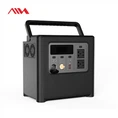
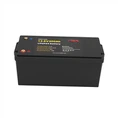
If you're interested in LiFePO4 batteries, we offer some great options like the 12v 50ah Lithium Ion Battery Supplier Charger Case Solar Lifepo4 Batteries Golf Trolley Lithium Phosphate Battery and the Deep Cycle 12V 200ah Lifepo4 BMS Inside. These batteries are perfect for various applications, from solar power systems to golf trolleys.
Nickel - Cadmium Batteries
Nickel - cadmium batteries are less common these days due to environmental concerns, but they still have their uses. A 12V nickel - cadmium battery typically has a lifespan of 5 - 10 years. They're known for their ability to handle high - discharge rates and can operate in a wide range of temperatures. However, they suffer from the "memory effect," which means if they're not fully discharged before recharging, their capacity can gradually decrease over time.
Factors Affecting Battery Lifespan
Now that we've covered the different types of 12V batteries and their typical lifespans, let's look at the factors that can affect how long a battery lasts.
Temperature
Temperature is one of the biggest factors. Batteries don't like extreme temperatures. In hot weather, the chemical reactions inside the battery speed up, which can cause the battery to wear out faster. On the other hand, in cold weather, the battery's capacity is reduced, and it can be harder to charge.
For lead - acid batteries, high temperatures can cause the electrolyte to evaporate, leading to internal damage. Lithium - ion batteries are also sensitive to temperature, but they're generally more tolerant than lead - acid batteries. To extend the lifespan of your battery, try to keep it in a temperature - controlled environment as much as possible.


Charge - Discharge Cycles
Every time you charge and discharge a battery, it goes through a cycle. The more cycles a battery goes through, the more its capacity will degrade over time. For example, if you have a battery that's designed for 1000 cycles and you reach that limit, its capacity might drop to 80% or less of its original capacity.
To maximize the lifespan of your battery, try to avoid deep discharges. For lead - acid batteries, it's best to keep the depth of discharge (DOD) below 50%. For lithium - ion batteries, you can usually go a bit deeper, but it's still a good idea to keep the DOD below 80% if possible.
Maintenance
Proper maintenance is crucial for extending the lifespan of a 12V battery. For lead - acid batteries, this includes checking the electrolyte level (for flooded batteries), keeping the terminals clean, and ensuring the battery is charged correctly.
Lithium - ion batteries require less maintenance, but you still need to make sure they're charged with a compatible charger. Over - charging or under - charging a lithium - ion battery can damage the battery cells and reduce its lifespan.
How to Extend the Lifespan of a 12V Battery
Here are some tips to help you get the most out of your 12V battery:
- Proper Charging: Use a charger that's designed for your specific battery type. Follow the manufacturer's instructions for charging times and voltages. For example, a lithium - ion battery charger will have different settings compared to a lead - acid battery charger.
- Temperature Control: If possible, store and use your battery in a temperature - controlled environment. If you're using the battery outdoors, consider using insulation or a battery box to protect it from extreme temperatures.
- Regular Inspections: Check your battery regularly for signs of damage, such as leaks, corrosion, or swelling. If you notice any problems, address them immediately.
- Avoid Deep Discharges: Try to keep the depth of discharge as low as possible. If you're using your battery for a power - hungry application, consider using multiple batteries in parallel to reduce the load on each battery.
Applications and Long - Term Use
12V batteries are used in a wide variety of applications, from small electronic devices to large - scale energy storage systems. In some applications, like home energy storage, having a long - lasting battery is essential.
For example, if you're using a 12V battery for a solar power system, you want it to last for many years so that you can get the most out of your investment. A Lifepo4 LFP Battery Pack 12v 300Ah Lithium Lon Battery Rechargeable Battery Pack For Home Energy Storage would be a great choice for this application. It can store a large amount of energy and has a long lifespan, which means you won't have to replace it frequently.
Conclusion
The lifespan of a 12V battery depends on several factors, including the type of battery, how it's used, and how it's maintained. Lead - acid batteries are more affordable but have a shorter lifespan, while lithium - ion batteries, especially LiFePO4 batteries, offer a much longer lifespan but come at a higher cost.
As a 12V battery supplier, we're here to help you choose the right battery for your needs and provide you with the information you need to make it last as long as possible. If you're interested in purchasing 12V batteries or have any questions about battery lifespan, feel free to reach out to us for more details and to start a procurement discussion.
References
- Battery University: A great resource for all things related to battery technology and lifespan.
- Manufacturer's specifications for various 12V batteries.