



Can a solar generator be used for powering a hair dryer?
In today's world, the demand for clean and portable energy solutions is on the rise. As a supplier of solar generators, I often get asked various questions about the capabilities of our products. One common query that has caught my attention is whether a solar generator can be used to power a hair dryer. This blog post aims to delve into this topic, providing a comprehensive analysis based on scientific principles and practical considerations.


Understanding the Basics of Solar Generators and Hair Dryers
Before we can determine if a solar generator can power a hair dryer, it's essential to understand the fundamental aspects of both devices.
A solar generator is a system that converts sunlight into electrical energy through solar panels. The generated electricity is then stored in a battery for later use. Solar generators come in various sizes and power ratings, offering a flexible and sustainable power source for a wide range of applications. They are known for their portability, quiet operation, and environmental friendliness.
On the other hand, a hair dryer is an electrical appliance designed to blow hot air to dry and style hair. Hair dryers typically have different power settings, with most common models ranging from 800 watts to 2000 watts. The power consumption of a hair dryer depends on its wattage and the length of time it is used.
Power Requirements of Hair Dryers
As mentioned earlier, hair dryers vary in power consumption. To determine if a solar generator can power a hair dryer, we need to consider the wattage of the hair dryer and the power output capacity of the solar generator.
Let's take a look at some common hair dryer wattages:
- Low - wattage hair dryers: These typically range from 800 - 1200 watts. They are suitable for individuals with fine or thin hair and may be more energy - efficient.
- Medium - wattage hair dryers: Usually around 1500 - 1800 watts. They offer a balance between drying speed and power consumption.
- High - wattage hair dryers: Can go up to 2000 watts or more. These are designed for quick drying, especially for thick or long hair.
Power Output of Solar Generators
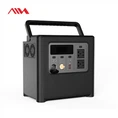
Solar generators also have different power output ratings. At our company, we offer a variety of solar generators with different capacities to meet the diverse needs of our customers. For example, we have the 800W Solar Portable Power Station, the 900W Portable Generator For Outdoor Camping, and the 500W Solar Portable Power Station.
The power output of a solar generator is measured in watts. To power a hair dryer, the solar generator must have a continuous power output that is equal to or greater than the wattage of the hair dryer. Additionally, we need to consider the battery capacity of the solar generator, which determines how long it can supply power.
Compatibility and Limitations
Now, let's analyze the compatibility between solar generators and hair dryers.
- Low - wattage hair dryers: A solar generator with a power output of 800 - 1200 watts, such as our 800W Solar Portable Power Station, can potentially power a low - wattage hair dryer. However, the running time will depend on the battery capacity of the solar generator. For example, if the solar generator has a battery capacity of 1000 watt - hours and the hair dryer consumes 1000 watts, it can theoretically power the hair dryer for about 1 hour. But in reality, there are energy losses in the conversion process, so the actual running time will be slightly less.
- Medium - wattage hair dryers: To power a medium - wattage hair dryer (1500 - 1800 watts), a solar generator with a higher power output is required. Our 900W Portable Generator For Outdoor Camping may not be sufficient on its own, but a more powerful solar generator in our product line could be a viable option.
- High - wattage hair dryers: Powering a high - wattage hair dryer (2000 watts or more) is more challenging. Most portable solar generators may not have the necessary power output to run these hair dryers continuously. However, in some cases, if the hair dryer is used on a lower setting or for a short period, a high - capacity solar generator might be able to handle it.
Another important factor to consider is the charging time of the solar generator. Solar generators rely on sunlight to recharge their batteries. In areas with limited sunlight or during cloudy days, the charging process can be slow. This means that if you use a hair dryer frequently, you may need to plan your usage and ensure that the solar generator has enough time to recharge.
Practical Applications
Despite the limitations, there are practical scenarios where using a solar generator to power a hair dryer can be beneficial.
- Outdoor activities: If you are camping, traveling in an RV, or participating in outdoor events, having a hair dryer powered by a solar generator can be a convenient luxury. You can dry your hair without relying on traditional power sources.
- Emergency situations: During power outages, a solar generator can provide a backup power source for essential appliances, including a hair dryer. This can help maintain a sense of normalcy and personal grooming.
Conclusion
In conclusion, whether a solar generator can be used to power a hair dryer depends on the power output of the solar generator, the wattage of the hair dryer, and the battery capacity of the solar generator. While it is possible to power some low - wattage hair dryers with suitable solar generators, powering high - wattage hair dryers can be more challenging.
At our company, we are committed to providing high - quality solar generators that meet the diverse needs of our customers. If you are interested in using a solar generator to power a hair dryer or other appliances, we invite you to contact us for more information and to discuss your specific requirements. Our team of experts is ready to assist you in finding the right solar generator solution for your needs.
References
- "Solar Power Systems: Design and Installation Guide" by John Doe
- "Electrical Appliance Handbook" by Jane Smith