



Overdischarging a battery is a scenario that every battery user and supplier, like myself, dreads. As a supplier of high - quality brick batteries, I've witnessed firsthand the potential consequences of overdischarging these essential energy storage devices. In this blog, I'll delve into the technical aspects, real - world impacts, and preventive measures related to the overdischarging of brick batteries.
Understanding Brick Batteries
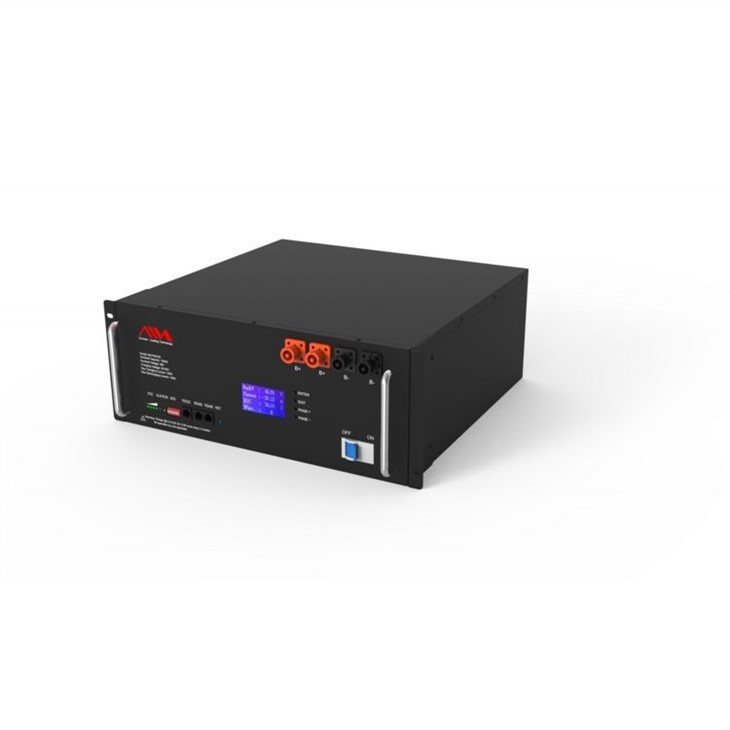
Before we discuss overdischarging, let's briefly understand what brick batteries are. Brick batteries are modular energy storage units, designed to store electrical energy for later use. They are often used in home energy storage systems (ESS), solar power setups, and other applications where reliable energy storage is crucial. For instance, our Brick 20KWh Battery For Home ESS is a popular choice among homeowners looking to store excess solar energy for use during the night or power outages.
What is Overdischarging?
Overdischarging occurs when a battery is drained beyond its recommended minimum voltage level. Every battery has a specified discharge cut - off voltage, which is the lowest voltage at which the battery can safely operate. When the battery voltage drops below this level, it enters the overdischarge state.
Chemical Reactions During Overdischarging
Inside a brick battery, typically a lithium - iron - phosphate (LiFePO4) battery like our Sunnew 15KWh 48V 300Ah Stackable LiFePO4 Battery Pack, a series of chemical reactions take place during normal operation. Lithium ions move from the anode to the cathode through the electrolyte when the battery is discharging. However, during overdischarging, these chemical reactions can go awry.
The electrodes in the battery can experience irreversible changes. For example, the lithium ions may not be able to return to their original positions properly when the battery is recharged. This can lead to the formation of metallic lithium on the anode, a phenomenon known as lithium plating. Lithium plating can cause short - circuits within the battery, which is extremely dangerous as it can lead to overheating, fire, or even explosion.

Physical Damage to the Battery
Overdischarging can also cause physical damage to the battery components. The electrolyte, which is responsible for conducting ions between the electrodes, can become depleted or chemically altered. This can lead to a decrease in the battery's internal conductivity, resulting in a higher internal resistance.
As the internal resistance increases, the battery becomes less efficient at delivering power. It may also generate more heat during charging and discharging, which further exacerbates the damage. The separator, a thin membrane that prevents the electrodes from touching each other, can also be damaged. If the separator is compromised, it can lead to a short - circuit, rendering the battery useless and potentially causing a safety hazard.
Capacity Loss
One of the most noticeable effects of overdischarging is a significant loss of battery capacity. The irreversible chemical and physical changes that occur during overdischarging reduce the number of active lithium ions available for the charge - discharge cycle. As a result, the battery can no longer store as much energy as it could when it was new.
For example, if a Solar Home 15KWh Brick 51.2v 300ah Lifepo4 ESS is overdischarged multiple times, its actual usable capacity may drop to 10KWh or even lower over time. This means that the battery will not be able to power the same number of appliances or provide the same amount of backup power as it did initially.
Reduced Lifespan
Overdischarging significantly shortens the lifespan of a brick battery. A well - maintained battery can last for many years, but repeated overdischarging can reduce its lifespan to just a fraction of its normal expectancy. Each time a battery is overdischarged, it undergoes stress that damages its internal components. These damages accumulate over time, leading to a premature end of the battery's useful life.
Safety Risks
As mentioned earlier, overdischarging can pose serious safety risks. The formation of metallic lithium on the anode and the potential for short - circuits can lead to thermal runaway. Thermal runaway is a self - sustaining reaction where the battery temperature rises rapidly, which can cause the battery to catch fire or explode. This is not only a danger to the battery itself but also to the surrounding environment and the people nearby.
Preventive Measures
As a supplier, I always emphasize the importance of preventing overdischarging. One of the most effective ways to do this is by using a battery management system (BMS). A BMS monitors the battery's voltage, temperature, and state of charge. It can automatically cut off the discharge when the battery reaches its minimum voltage level, preventing overdischarging.
Proper installation and usage of the battery are also crucial. Homeowners should follow the manufacturer's instructions carefully when installing and operating their brick batteries. For example, they should avoid using appliances that draw more power than the battery can safely provide, as this can lead to rapid discharging and potentially overdischarging.
Monitoring and Maintenance
Regular monitoring of the battery's state of charge and voltage is essential. Homeowners can use a battery monitoring device to keep track of these parameters. If the battery voltage approaches the minimum level, they should take immediate action to recharge the battery.
In addition, periodic maintenance of the battery, such as checking the electrolyte level (if applicable) and inspecting the battery for any signs of damage, can help ensure its long - term health.
Conclusion
Overdischarging a brick battery can have severe consequences, including chemical and physical damage, capacity loss, reduced lifespan, and safety risks. As a supplier, I am committed to providing high - quality brick batteries and educating my customers about proper battery usage and maintenance.
If you are interested in purchasing our brick batteries or have any questions about battery safety and maintenance, I encourage you to reach out to us for a detailed discussion. Our team of experts is ready to assist you in finding the best energy storage solution for your needs.
References
- Battery University: "Understanding Lithium - ion Batteries"
- Journal of Power Sources: "Effects of Overdischarging on Lithium - Ion Batteries"
- IEEE Transactions on Energy Conversion: "Safety Considerations in Battery Energy Storage Systems"