



Hey there! As a supplier of AGM GEL batteries, I often get asked if these batteries can be used in marine applications. Well, let's dive right in and explore this topic.
What are AGM GEL batteries?
First off, let me give you a quick rundown on what AGM (Absorbent Glass Mat) and GEL batteries are. AGM batteries use a special glass mat separator that absorbs the electrolyte, keeping it in place. This design makes them spill - proof and vibration - resistant. GEL batteries, on the other hand, have their electrolyte in a gel form. The thick, jelly - like consistency also helps prevent spills and provides good resistance to shock and vibration.
Both types of batteries are known for their deep - cycling capabilities, which means they can be discharged and recharged multiple times without significant loss of capacity. They're also maintenance - free, which is a huge plus for many users.
Suitability for marine applications
Now, the big question: Can AGM GEL batteries be used in marine applications? The short answer is yes, and there are several reasons why they're a great fit.
1. Durability
Marine environments are tough. There's constant vibration from the engine, waves causing the boat to rock, and exposure to moisture. AGM GEL batteries are built to handle these conditions. Their spill - proof design means you don't have to worry about acid leaks damaging your boat's interior or equipment. The robust construction also helps them withstand the vibrations and shocks that are common on a boat.
2. Deep - cycling performance
In a marine setting, you often need a battery that can handle deep discharges. Whether you're running lights, a fishfinder, or a trolling motor, your battery needs to be able to provide power over an extended period. AGM GEL batteries are excellent at deep - cycling. They can be discharged to a lower level compared to some other battery types and still recharge effectively. This makes them ideal for powering the various electrical systems on a boat.
3. Maintenance
Let's face it; no one wants to spend hours maintaining their boat's battery. AGM GEL batteries are maintenance - free. You don't have to check the water levels regularly like you would with a traditional flooded lead - acid battery. This saves you time and hassle, allowing you to focus on enjoying your time on the water.
4. Safety
Safety is a top priority on a boat. AGM GEL batteries produce less hydrogen gas during charging compared to flooded batteries. This reduces the risk of explosion, especially in enclosed spaces like a boat's battery compartment.
Comparing with other battery options
Of course, AGM GEL batteries aren't the only option for marine applications. Lithium - ion batteries, for example, are becoming increasingly popular.

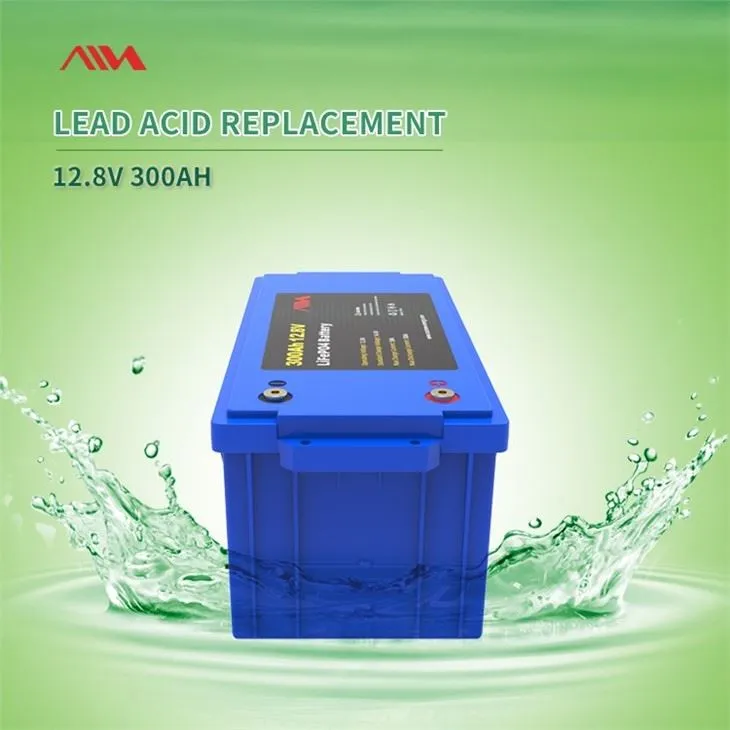
Lithium - ion batteries, like the Deep Cycle Solar RV Caravan Marine 12 Volt Lithium Ion Batteries 12V 100ah LiFePO4 Battery, offer several advantages. They're lighter, have a longer lifespan, and can provide a higher discharge rate. However, they also come with a higher price tag.
AGM GEL batteries, on the other hand, are more affordable. They're a great middle - ground option for boaters who want a reliable, deep - cycling battery without breaking the bank.
Another option is the 12V 300ah Lifepo4 Bms Inside Power System. This lithium - ion system offers high capacity and advanced battery management, but again, it's more expensive.
If you're looking for a range of lithium - ion battery options, check out the LiFePO4 Battery 12v 24v 36v 48v 50ah 100ah 150ah 200ah 300ah Deep Cycle Lithium Ion Battery 12V. But remember, AGM GEL batteries still have their place in the marine market.
Considerations when using AGM GEL batteries in marine applications
While AGM GEL batteries are well - suited for marine use, there are a few things you need to keep in mind.
1. Charging
AGM GEL batteries require a specific charging profile. You need to use a charger that's designed for these types of batteries. Overcharging can damage the battery and reduce its lifespan. Make sure you follow the manufacturer's recommendations for charging voltage and current.
2. Temperature
Extreme temperatures can affect the performance of AGM GEL batteries. In cold weather, the battery's capacity may be reduced. In hot weather, the battery may age faster. Try to keep the battery in a temperature - controlled environment as much as possible.
3. Storage
If you're not using your boat for an extended period, proper storage of the AGM GEL battery is crucial. Make sure the battery is fully charged before storing it and check the charge level periodically. A discharged battery can sulfate, which will reduce its capacity and lifespan.
Conclusion
In conclusion, AGM GEL batteries are a great choice for marine applications. They offer durability, deep - cycling performance, low maintenance, and safety. While lithium - ion batteries have their advantages, AGM GEL batteries provide a cost - effective alternative that meets the needs of many boaters.
If you're in the market for a reliable battery for your boat, I'd be more than happy to help you find the right AGM GEL battery for your specific requirements. Whether you have questions about sizing, charging, or any other aspect, feel free to reach out. We can have a chat about your needs and figure out the best solution for your marine adventures.
References
- Battery University: A comprehensive resource on battery technology and usage.
- Marine Electronics Magazine: Articles on various marine electrical systems and battery options.