



When it comes to the operation of mobile Automated Guided Vehicles (AGVs), one of the most critical components is the battery. As an AGV battery supplier, I often receive inquiries from customers about whether they can use a particular AGV battery in a mobile AGV. This blog post aims to delve into this question, providing a comprehensive analysis of the factors to consider and the implications of using an AGV battery in a mobile AGV.
Understanding AGV Batteries
AGV batteries are specifically designed to meet the unique power requirements of automated guided vehicles. These vehicles are used in a variety of industrial applications, including warehousing, manufacturing, and logistics. They require a reliable and efficient power source to operate continuously and autonomously.
There are several types of batteries commonly used in AGVs, including lead-acid, lithium-ion, and nickel-cadmium. Each type has its own advantages and disadvantages in terms of energy density, lifespan, charging time, and cost. For example, lead-acid batteries are relatively inexpensive but have a lower energy density and shorter lifespan compared to lithium-ion batteries. On the other hand, lithium-ion batteries offer higher energy density, longer lifespan, and faster charging times, but they are more expensive.
Compatibility of AGV Batteries with Mobile AGVs
The compatibility of an AGV battery with a mobile AGV depends on several factors, including the voltage, capacity, and physical dimensions of the battery.
Voltage
The voltage of the battery must match the voltage requirements of the AGV. Most mobile AGVs operate on a 24V or 48V electrical system. Using a battery with the wrong voltage can damage the AGV's electrical components and may even pose a safety hazard. Therefore, it is essential to ensure that the battery voltage is compatible with the AGV before installation.
Capacity
The capacity of the battery, measured in ampere-hours (Ah), determines how long the AGV can operate on a single charge. The capacity required depends on the power consumption of the AGV and the duration of its operation. A higher capacity battery will provide longer operating times but may also be larger and heavier. It is important to choose a battery with a capacity that meets the AGV's requirements without being overly large or heavy.
Physical Dimensions
The physical dimensions of the battery must also be compatible with the AGV. The battery must fit into the designated battery compartment of the AGV and be securely mounted. Additionally, the battery's weight distribution should not affect the AGV's stability and maneuverability.
Advantages of Using the Right AGV Battery in a Mobile AGV
Using the right AGV battery in a mobile AGV offers several advantages, including:
Improved Performance
A compatible battery will provide the AGV with the necessary power to operate efficiently and reliably. This can result in improved performance, including faster speeds, shorter charging times, and longer operating times.
Extended Lifespan
Using a battery that is designed for the specific requirements of the AGV can help extend its lifespan. This can reduce the frequency of battery replacements and lower the overall cost of ownership.

Safety
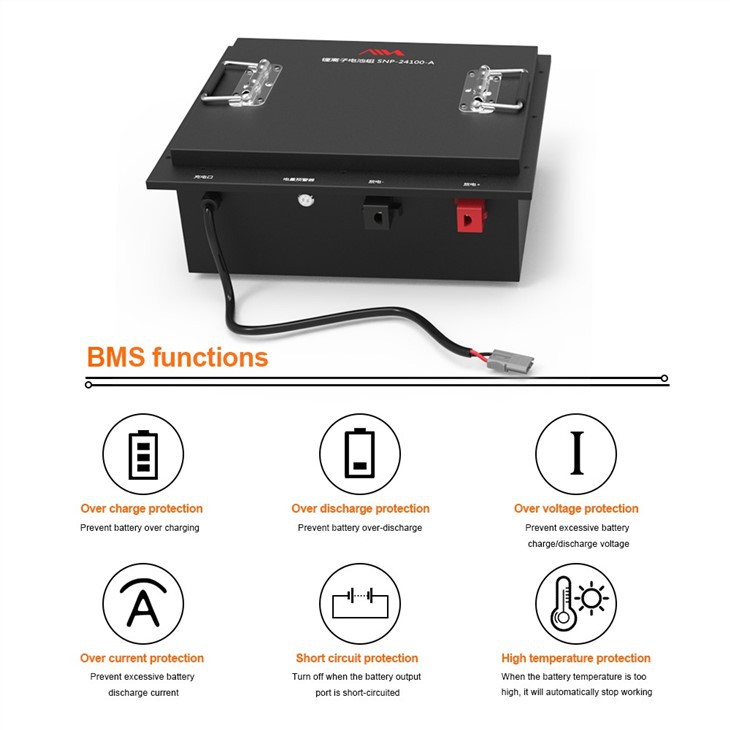
Using a compatible battery ensures the safety of the AGV and its operators. A battery that is not properly matched to the AGV can overheat, short circuit, or pose other safety hazards.
Considerations when Choosing an AGV Battery for a Mobile AGV
When choosing an AGV battery for a mobile AGV, it is important to consider the following factors:
Application Requirements
The specific application requirements of the AGV, such as the operating environment, load capacity, and duty cycle, will determine the type and capacity of the battery needed. For example, an AGV operating in a cold environment may require a battery with a lower self-discharge rate and better performance in low temperatures.
Cost
The cost of the battery is an important consideration, especially for large-scale applications. While lithium-ion batteries are generally more expensive than lead-acid batteries, they may offer a better return on investment in the long run due to their longer lifespan and higher energy density.
Charging Infrastructure
The availability of a suitable charging infrastructure is also an important factor. Some batteries, such as lithium-ion batteries, require specialized charging equipment. It is important to ensure that the charging infrastructure is compatible with the battery and can support the AGV's charging requirements.
Examples of AGV Batteries for Mobile AGVs
As an AGV battery supplier, we offer a range of batteries suitable for mobile AGVs. Some of our popular products include:
- Cleaning Equipment Battery Pack 24V 50ah: This battery is designed for use in cleaning equipment and other small to medium-sized AGVs. It offers a reliable and efficient power source with a capacity of 50Ah.
- Golf Cart EV Battery 24V 100Ah Rechargeable Deep Cycle Lithium Iron Phosphate LiFePO4 Batteries: This lithium-ion battery is suitable for use in golf carts and other larger AGVs. It provides a high energy density and long lifespan, making it ideal for applications that require extended operating times.
- Sweeper Robot 24V 100ah Lifepo4 Battery: This battery is specifically designed for use in sweeper robots and other autonomous cleaning equipment. It offers a stable and reliable power source with a capacity of 100Ah.
Conclusion
In conclusion, using an AGV battery in a mobile AGV is possible, but it is important to ensure that the battery is compatible with the AGV in terms of voltage, capacity, and physical dimensions. Choosing the right battery can improve the performance, extend the lifespan, and enhance the safety of the AGV. As an AGV battery supplier, we are committed to providing our customers with high-quality batteries that meet their specific requirements. If you are interested in learning more about our products or have any questions about choosing the right battery for your mobile AGV, please contact us for a consultation. We look forward to working with you to find the best battery solution for your application.
References
- "Automated Guided Vehicle (AGV) Batteries: A Comprehensive Guide." Battery University.
- "Lithium-Ion Batteries for AGVs: Advantages and Considerations." Industrial Battery Solutions.
- "AGV Battery Systems: Design and Selection." Material Handling Industry of America.