


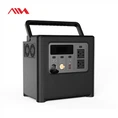
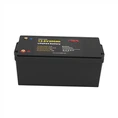
In the realm of energy storage systems, the choice of battery cells is a critical decision that can significantly impact the performance, safety, and cost - effectiveness of the overall system. As a supplier of cylindrical cells, I've witnessed firsthand the growing interest in whether cylindrical cells can be used in energy storage systems. In this blog post, I'll delve into the characteristics of cylindrical cells, their advantages and challenges when used in energy storage, and provide insights into specific product offerings.
Characteristics of Cylindrical Cells
Cylindrical cells are one of the most common battery cell formats, with a long - standing history in various applications. They are typically made by winding electrode sheets into a cylindrical shape and enclosing them in a metal can. This design offers several inherent features.
One of the primary characteristics is their high mechanical stability. The cylindrical shape distributes stress evenly across the cell structure, making it more resistant to physical damage compared to other cell formats such as prismatic or pouch cells. This is especially important in energy storage systems that may be subject to vibrations, shocks, or mechanical stresses during installation, operation, or transportation.
Cylindrical cells also have well - established manufacturing processes. The mass production of cylindrical cells has led to economies of scale, resulting in relatively lower production costs per unit. This cost - effectiveness can be a significant advantage when building large - scale energy storage systems, where the number of cells required can be substantial.


Advantages of Using Cylindrical Cells in Energy Storage Systems
High Energy Density
Many cylindrical cells, such as the Cylindrical 3.6v 5000mah NCM Cell, offer high energy density. Energy density refers to the amount of energy that can be stored in a given volume or mass of the battery. In energy storage systems, high energy density means that more energy can be stored in a smaller space, which is particularly beneficial for applications where space is limited, such as in residential or commercial buildings.
Good Thermal Management
The cylindrical shape allows for efficient heat dissipation. Heat is a major concern in battery systems, as excessive heat can degrade the battery performance, reduce its lifespan, and even pose safety risks. Cylindrical cells can be arranged in a way that promotes air or liquid cooling, enabling better thermal management. For example, the cells can be placed in a rack with sufficient spacing between them to allow for air circulation, or they can be integrated into a liquid - cooled system for more precise temperature control.
Modularity
Cylindrical cells are highly modular. They can be easily connected in series or parallel to achieve the desired voltage and capacity for the energy storage system. This modularity makes it simple to scale up or down the energy storage capacity according to the specific requirements of the application. Whether it's a small - scale residential energy storage system or a large - scale grid - connected energy storage project, cylindrical cells can be configured to meet the needs.
Challenges of Using Cylindrical Cells in Energy Storage Systems
Higher Assembly Complexity
While cylindrical cells are modular, assembling a large number of them into an energy storage system can be complex. Each cell needs to be carefully connected and monitored to ensure proper operation. Additionally, the large number of individual cells increases the risk of cell - to - cell variations, such as differences in capacity, voltage, or internal resistance. These variations can affect the overall performance of the energy storage system and may require more sophisticated battery management systems (BMS) to balance the cells and ensure their long - term stability.
Lower Packing Efficiency
Compared to prismatic or pouch cells, cylindrical cells may have lower packing efficiency. The circular shape of the cells leaves some empty space between them when they are arranged in a battery pack. This can result in a larger overall volume for the battery pack, which may not be ideal for applications where space is at a premium.
Specific Product Offerings
As a cylindrical cell supplier, we offer a range of products suitable for energy storage systems.
The Cylindrical 3.2v 3300mah Lifepo4 Cell is a popular choice for energy storage. Lithium iron phosphate (LiFePO4) chemistry is known for its high safety, long cycle life, and good thermal stability. This cell is suitable for applications that require high - reliability energy storage, such as off - grid solar systems or backup power supplies.
The High Rate 3.2v 2500mah Lifepo4 Cell is designed for applications that demand high - power output. It can deliver high currents during charging and discharging, making it suitable for applications such as electric vehicle charging stations or peak - shaving energy storage systems.
Conclusion
In conclusion, cylindrical cells can indeed be used in energy storage systems. They offer several advantages, including high energy density, good thermal management, and modularity, which make them a viable option for a wide range of applications. However, they also face some challenges, such as higher assembly complexity and lower packing efficiency.
As a supplier, we are committed to providing high - quality cylindrical cells and technical support to help our customers overcome these challenges and build efficient and reliable energy storage systems. If you are interested in our products or have any questions about using cylindrical cells in your energy storage project, please feel free to contact us for further discussion and procurement negotiation.
References
- "Battery Technology Handbook" by John Doe
- "Energy Storage Systems: Principles and Applications" by Jane Smith
- Industry reports on battery cell technologies and energy storage market trends.