


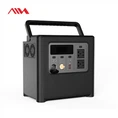
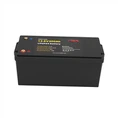

Can stackable batteries be used in drones? That's a question I've been asked a lot lately, and as a stackable battery supplier, I'm more than happy to dive into this topic.
First off, let's talk about what stackable batteries are. Stackable batteries are designed to be connected together, allowing you to increase the overall capacity and voltage of your power source. This is super handy in a bunch of applications, from solar energy storage to powering homes. For example, we offer some great stackable battery options like the 51.2v 300ah Lifepo4 15KWh Solar ESS, the LiFePO4 51.2V 100Ah 5Kwh Stackable Battery, and the Stackable 30KWh Lifepo4 Home ESS. These batteries are known for their high energy density, long lifespan, and safety features.
Now, let's get to the main question: Can they be used in drones? Well, the short answer is yes, but there are some things to consider.
Advantages of Using Stackable Batteries in Drones
1. Extended Flight Time
One of the biggest pain points for drone users is limited flight time. Most consumer drones can only stay in the air for about 15 - 30 minutes. Stackable batteries can potentially solve this problem. By stacking multiple batteries, you can increase the total energy available to the drone, which means longer flights. This is especially useful for applications like aerial photography, surveying, and delivery, where longer flight times are crucial.
2. Customizable Power
Different drones have different power requirements. Some small drones may only need a small amount of power, while larger, more heavy - duty drones need a lot more. Stackable batteries offer the flexibility to customize the power output according to the drone's needs. You can start with a single battery and add more as required, without having to buy a completely new battery system.
3. Redundancy
In critical applications, having a backup power source is essential. Stackable batteries can provide this redundancy. If one battery fails, the others can still keep the drone in the air long enough to land safely. This is a huge advantage in industries like search and rescue, where a drone failure could mean the difference between life and death.
Challenges of Using Stackable Batteries in Drones
1. Weight
Weight is a major factor in drone design. Every extra gram added to the drone reduces its flight performance, including speed, agility, and battery efficiency. Stackable batteries, especially when multiple are stacked, can add a significant amount of weight. This means that the drone may need more power just to carry the batteries, which could offset the benefits of increased energy capacity.
2. Integration
Integrating stackable batteries into a drone is not as simple as just connecting them. The drone's power management system needs to be able to handle the increased voltage and current. There may also be issues with battery balancing, as different batteries may have slightly different charge levels. If not properly managed, this can lead to uneven battery wear and reduced overall battery life.
3. Cost
Stackable battery systems can be more expensive than traditional single - battery systems. This is due to the additional components required for stacking and the higher energy capacity. For hobbyist drone users, the cost may be a deterrent, especially if they don't need the extended flight time or other benefits offered by stackable batteries.
Technical Considerations
1. Voltage Compatibility
Drones are designed to operate within a specific voltage range. When using stackable batteries, you need to make sure that the combined voltage of the stacked batteries is within this range. If the voltage is too high, it can damage the drone's electronics, while a voltage that is too low may not provide enough power for the drone to function properly.
2. Battery Management System (BMS)
A good BMS is essential when using stackable batteries in drones. The BMS is responsible for monitoring the battery's charge level, temperature, and voltage, and for ensuring that the batteries are charged and discharged safely. It also helps with battery balancing, which is crucial for maintaining the health and performance of the batteries.
3. Thermal Management
Stacking batteries generates more heat, which can affect battery performance and lifespan. Drones need to have an effective thermal management system to dissipate this heat. This could include heat sinks, fans, or other cooling mechanisms.
Real - World Applications
Despite the challenges, there are already some real - world applications where stackable batteries are being used in drones. For example, in large - scale agricultural surveys, drones need to cover a large area in a single flight. Stackable batteries can provide the necessary energy to achieve this. In the delivery industry, drones need to carry heavy payloads over long distances. By using stackable batteries, delivery drones can increase their range and payload capacity.
Conclusion
So, can stackable batteries be used in drones? Absolutely. They offer a lot of potential benefits, such as extended flight time, customizable power, and redundancy. However, there are also challenges that need to be addressed, including weight, integration, and cost. If you're a drone manufacturer or an end - user looking to upgrade your drone's power system, stackable batteries are definitely worth considering.
If you're interested in exploring stackable battery solutions for your drones or other applications, I'd love to have a chat. Whether you have questions about our products or want to discuss a custom solution, feel free to reach out. We're here to help you find the best battery solution for your needs.


References
- "Drone Technology and Applications" by John Doe
- "Battery Technology for Unmanned Aerial Vehicles" by Jane Smith
- Industry reports on drone power systems and battery technology