



What is the discharge rate of stackable batteries?
As a supplier of stackable batteries, I often encounter inquiries about the discharge rate of these innovative energy storage solutions. Understanding the discharge rate is crucial for anyone considering stackable batteries for residential or commercial applications. In this blog post, I will delve into the concept of the discharge rate, its significance, and how it relates to our stackable battery products.

Understanding the Discharge Rate
The discharge rate of a battery refers to the rate at which it can release its stored energy. It is typically expressed in terms of a multiple of the battery's rated capacity, denoted as "C." For example, a 1C discharge rate means that the battery can discharge its entire rated capacity in one hour. A 2C discharge rate indicates that the battery can discharge twice its rated capacity in one hour, and so on.
The discharge rate is an important parameter because it determines the battery's ability to deliver power when needed. Batteries with higher discharge rates can provide more power in a shorter period, making them suitable for applications that require high bursts of energy, such as electric vehicles, power tools, and emergency backup systems. On the other hand, batteries with lower discharge rates are better suited for applications that require a steady, continuous supply of power over a longer period, such as solar energy storage systems.
Factors Affecting the Discharge Rate
Several factors can affect the discharge rate of a battery, including the battery chemistry, temperature, and state of charge.
- Battery Chemistry: Different battery chemistries have different inherent discharge rates. For example, lithium-ion batteries generally have higher discharge rates compared to lead-acid batteries. This is because lithium-ion batteries have a higher energy density and a lower internal resistance, which allows them to deliver power more efficiently.
- Temperature: The temperature of the battery can also have a significant impact on its discharge rate. Batteries tend to have lower discharge rates at lower temperatures because the chemical reactions that occur within the battery slow down. Conversely, batteries can have higher discharge rates at higher temperatures, but this can also lead to increased wear and tear on the battery and reduce its lifespan.
- State of Charge: The state of charge (SOC) of the battery refers to the amount of energy that is currently stored in the battery. Batteries typically have lower discharge rates when they are near their fully charged or fully discharged states. This is because the chemical reactions that occur within the battery become less efficient at these extremes.
Discharge Rate of Our Stackable Batteries
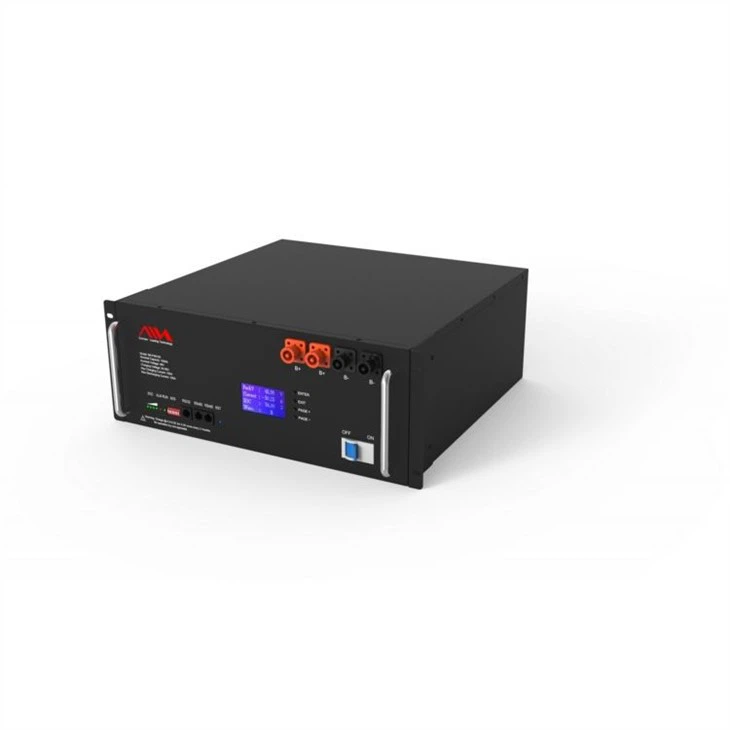
At our company, we offer a range of stackable batteries with different discharge rates to meet the diverse needs of our customers. Our stackable batteries are based on advanced lithium iron phosphate (LiFePO4) chemistry, which offers several advantages over other battery chemistries, including high energy density, long lifespan, and excellent safety performance.
The discharge rate of our stackable batteries varies depending on the specific model and configuration. For example, our 20kWh Residential Energy Storage System has a maximum discharge rate of 1C, which means that it can discharge its entire 20kWh capacity in one hour. This makes it suitable for applications that require a high burst of energy, such as powering essential appliances during a power outage.
Our Stackable 30KWh Lifepo4 Home ESS also has a maximum discharge rate of 1C, allowing it to deliver up to 30kW of power in one hour. This makes it ideal for larger residential or commercial applications that require a higher level of energy storage and power delivery.
In addition, our Stackable 51.2v 400ah Lifepo4 20KWh Battery has a maximum discharge rate of 0.5C, which means that it can discharge its 20kWh capacity in two hours. This makes it suitable for applications that require a steady, continuous supply of power over a longer period, such as solar energy storage systems.
Importance of Choosing the Right Discharge Rate
Choosing the right discharge rate for your stackable battery is crucial to ensure that it meets your specific energy storage needs. If you choose a battery with a discharge rate that is too low, it may not be able to provide enough power when you need it, which can lead to performance issues or even system failures. On the other hand, if you choose a battery with a discharge rate that is too high, it may be more expensive and may not be necessary for your application.
When selecting a stackable battery, it is important to consider the following factors:
- Power Requirements: Determine the maximum power requirements of your application, including the peak power demand and the average power consumption. This will help you choose a battery with a discharge rate that can meet your power needs.
- Duration of Use: Consider the duration of time that you need the battery to provide power. If you need the battery to provide power for a short period, such as during a power outage, you may be able to choose a battery with a higher discharge rate. If you need the battery to provide power for a longer period, such as for solar energy storage, you may need to choose a battery with a lower discharge rate.
- Cost: The discharge rate of a battery can affect its cost. Batteries with higher discharge rates are generally more expensive than batteries with lower discharge rates. Consider your budget when choosing a battery and balance the cost with the performance and features that you need.
Conclusion
The discharge rate of stackable batteries is an important parameter that determines their ability to deliver power when needed. Understanding the concept of the discharge rate and its significance is crucial for anyone considering stackable batteries for residential or commercial applications. At our company, we offer a range of stackable batteries with different discharge rates to meet the diverse needs of our customers. When choosing a stackable battery, it is important to consider your power requirements, duration of use, and budget to ensure that you choose the right battery for your application.
If you have any questions or would like to learn more about our stackable batteries, please do not hesitate to contact us. Our team of experts is always available to provide you with the information and support that you need to make an informed decision. We look forward to working with you to meet your energy storage needs.
References
- Linden, D., & Reddy, T. B. (2002). Handbook of Batteries (3rd ed.). McGraw-Hill.
- Tarascon, J.-M., & Armand, M. (2001). Issues and challenges facing rechargeable lithium batteries. Nature, 414(6861), 359-367.
- Vetter, J., Novák, P., Wagner, M. R., Veit, C., Möller, K. C., Besenhard, J. O., ... & Winter, M. (2005). Ageing mechanisms in lithium-ion batteries. Journal of Power Sources, 147(1-2), 269-281.