


As a seasoned solar battery supplier, I've encountered numerous inquiries from customers about the ideal installation location for solar batteries. The placement of a solar battery is a critical decision that can significantly impact its performance, lifespan, and overall efficiency. In this blog post, I'll share some insights and considerations to help you determine the best place to install your solar battery.
Factors to Consider
Temperature
Temperature is one of the most crucial factors affecting the performance and lifespan of a solar battery. Most solar batteries operate optimally within a specific temperature range, typically between 20°C and 25°C (68°F and 77°F). Extreme temperatures, both hot and cold, can have a detrimental effect on battery performance and longevity.
- High Temperatures: Excessive heat can cause the battery to degrade faster, reducing its capacity and lifespan. It can also increase the risk of thermal runaway, a dangerous condition where the battery overheats and can potentially catch fire or explode. Therefore, it's essential to avoid installing the battery in areas exposed to direct sunlight or near heat sources such as furnaces, water heaters, or air conditioning units.
- Low Temperatures: Cold temperatures can also reduce the battery's capacity and performance. In freezing conditions, the battery may not be able to deliver its full power output, and the charging process may be slower. To mitigate the effects of cold weather, consider installing the battery in a heated space or using a battery heater.
Ventilation
Proper ventilation is essential to prevent the buildup of heat and gases inside the battery enclosure. During the charging and discharging process, solar batteries can produce hydrogen gas, which is highly flammable. Adequate ventilation helps to dissipate heat and remove any potentially hazardous gases, reducing the risk of fire or explosion.


- Indoor Installation: If you're installing the battery indoors, ensure that the room has good ventilation. You can use a ventilation fan or install vents in the walls or ceiling to allow fresh air to circulate. Avoid installing the battery in a confined space or a room with poor air circulation.
- Outdoor Installation: Outdoor installations require special consideration for ventilation. The battery enclosure should have vents or louvers to allow air to flow in and out. Make sure the vents are not blocked by debris or vegetation. Additionally, consider installing the battery in a shaded area to reduce the impact of direct sunlight and heat.
Accessibility
The installation location should be easily accessible for maintenance and inspection. You'll need to be able to access the battery terminals, connectors, and monitoring equipment regularly to check the battery's status and perform any necessary maintenance tasks.
- Indoor Installation: For indoor installations, choose a location that is easy to reach and has enough space to work around the battery. Avoid installing the battery in a cramped or hard-to-reach area.
- Outdoor Installation: Outdoor installations should also be accessible. Make sure the battery enclosure is located in a place where you can easily open the door or access the battery components. Consider the terrain and any obstacles that may make it difficult to reach the battery.
Security
Solar batteries are valuable assets, and it's important to protect them from theft and vandalism. When choosing an installation location, consider the security of the area.
- Indoor Installation: Indoor installations are generally more secure than outdoor installations. You can install the battery in a locked room or a cabinet to prevent unauthorized access.
- Outdoor Installation: If you're installing the battery outdoors, choose a location that is visible and well-lit. You can also install a security camera or an alarm system to deter thieves. Additionally, consider using a lockable battery enclosure to protect the battery from vandalism.
Ideal Installation Locations
Indoor Locations
- Basement: A basement is often an ideal location for installing a solar battery. It's typically cool, dry, and well-ventilated, which helps to maintain the battery's optimal operating temperature. Basements also offer easy access for maintenance and inspection. However, make sure the basement is waterproof and free from flooding.
- Garage: A garage is another popular option for indoor battery installation. It provides a convenient and accessible location, and it's usually protected from the elements. However, garages can get hot during the summer, so make sure the battery is installed in a shaded area or use a ventilation fan to keep the temperature down.
- Utility Room: A utility room is a dedicated space for household appliances and equipment. It's often located near the electrical panel and water heater, making it a convenient location for installing a solar battery. Utility rooms are usually well-ventilated and have easy access to power and water connections.
Outdoor Locations
- Shed or Enclosure: A shed or an enclosure specifically designed for solar batteries is a good option for outdoor installation. It provides protection from the elements and can be customized to meet your specific needs. Make sure the shed or enclosure is well-ventilated and has a lockable door to prevent unauthorized access.
- Wall-Mounted: Wall-mounted solar batteries are a popular choice for outdoor installation, especially in areas with limited space. They can be installed on the side of a building or a fence, providing a secure and convenient location. Make sure the wall is strong enough to support the weight of the battery and that the installation is done according to the manufacturer's instructions.
- Ground-Mounted: Ground-mounted solar batteries are suitable for larger installations or in areas where wall-mounted options are not feasible. They can be installed on a concrete pad or a raised platform to keep the battery off the ground and protect it from moisture. Make sure the ground is level and stable, and that the battery is properly secured to prevent it from tipping over.
Product Recommendations
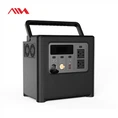
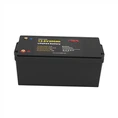
As a solar battery supplier, I offer a range of high-quality solar batteries to meet your energy storage needs. Here are some of our popular products:
- 5kwh Tesla Wall Mounted 51.2V 100AH Battery: This battery is designed for residential and commercial applications. It offers a high energy density, long lifespan, and excellent performance in a compact and wall-mounted design.
- Sunnew 10kwh Lifepo4 Battery 48V 200ah Power Energy Wall For Home Energy Storage System: This battery is a reliable and cost-effective solution for home energy storage. It uses LiFePO4 technology, which offers a high level of safety, long cycle life, and low self-discharge rate.
- 10Kwh Power Wall Solar Energy Storage System: This system is designed for larger residential and commercial applications. It offers a high energy capacity, advanced monitoring and control features, and seamless integration with solar panels and other renewable energy sources.
Conclusion
Choosing the best place to install a solar battery is a critical decision that requires careful consideration of several factors, including temperature, ventilation, accessibility, and security. By following the guidelines outlined in this blog post, you can ensure that your solar battery is installed in a location that maximizes its performance, lifespan, and overall efficiency.
If you have any questions or need further assistance in selecting the right solar battery or determining the best installation location, please don't hesitate to contact us. We're here to help you make the most of your solar energy system and achieve your energy storage goals.
References
- "Battery Energy Storage System Installation and Maintenance Guide." Solar Energy Industries Association.
- "Temperature Effects on Battery Performance." Battery University.
- "Ventilation Requirements for Battery Enclosures." National Fire Protection Association.