




Hey there! As an outdoor battery supplier, I often get asked about the lifespan of outdoor batteries. It's a crucial question, especially for folks who rely on these batteries during their outdoor adventures. So, let's dive right in and explore what affects the lifespan of an outdoor battery and how you can make it last longer.
Factors Affecting the Lifespan of Outdoor Batteries
First off, the type of battery plays a huge role. The most common types of outdoor batteries are lead - acid, lithium - ion, and nickel - metal hydride (NiMH).
Lead - acid batteries are quite old - school. They're relatively cheap but have a shorter lifespan compared to the others. Typically, a lead - acid battery used outdoors might last anywhere from 2 to 5 years. The main reason for their shorter lifespan is the sulfation process. When lead - acid batteries are not fully charged or are left discharged for long periods, lead sulfate crystals form on the battery plates. Over time, these crystals can harden and reduce the battery's ability to hold a charge.

Lithium - ion batteries, on the other hand, are the new kids on the block in the outdoor battery scene. They're lightweight, have a high energy density, and can last much longer than lead - acid batteries. A good quality lithium - ion outdoor battery can have a lifespan of 5 to 15 years. This is because lithium - ion batteries don't suffer from the sulfation problem. However, they are sensitive to high temperatures. If you leave your lithium - ion battery in a hot car or expose it to direct sunlight for extended periods, it can degrade the battery's performance and shorten its lifespan.
NiMH batteries are a middle - ground option. They're more environmentally friendly than lead - acid batteries and are less expensive than lithium - ion batteries. NiMH batteries usually last around 3 to 7 years. One of the issues with NiMH batteries is the memory effect. If you repeatedly charge a NiMH battery before it's fully discharged, it can "remember" the shorter charge cycle, and its overall capacity will gradually decrease.
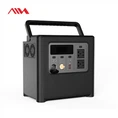
Another factor that affects the lifespan of outdoor batteries is usage patterns. If you use your outdoor battery frequently and discharge it deeply every time, it will wear out faster. For example, if you're using a battery to power a 600W Portable Generator For Outdoor Camping and you run it until the battery is almost completely dead, it puts a lot of stress on the battery cells. It's better to try to keep the battery's state of charge between 20% and 80%. This is known as the "goldilocks zone" for battery health.
The environment also has a big impact. Extreme temperatures, whether hot or cold, can be tough on outdoor batteries. In cold weather, the chemical reactions inside the battery slow down, which reduces the battery's capacity. For instance, a battery that normally provides a certain amount of power at room temperature might give you significantly less power in freezing conditions. On the other hand, high temperatures can speed up the chemical reactions and cause the battery to degrade faster.
How to Extend the Lifespan of Your Outdoor Battery
Now that we know what affects the lifespan of outdoor batteries, let's talk about how to make them last longer.
First, proper charging is essential. Always use the charger that's recommended for your battery. Using the wrong charger can overcharge or undercharge the battery, which can damage it. For lithium - ion batteries, it's a good idea to charge them slowly. Fast charging can generate a lot of heat, which is bad for the battery.
When it comes to storage, make sure you store your battery in a cool, dry place. If you're not going to use the battery for a long time, charge it to around 50% and then store it. This helps prevent self - discharge and keeps the battery in good condition.
Regular maintenance is also important. For lead - acid batteries, you need to check the water levels regularly (if it's a flooded lead - acid battery) and clean the battery terminals to prevent corrosion. For all types of batteries, you should inspect them for any signs of damage, such as cracks or leaks.
Real - World Examples
Let me share a couple of real - world examples to give you a better idea of how these factors work.
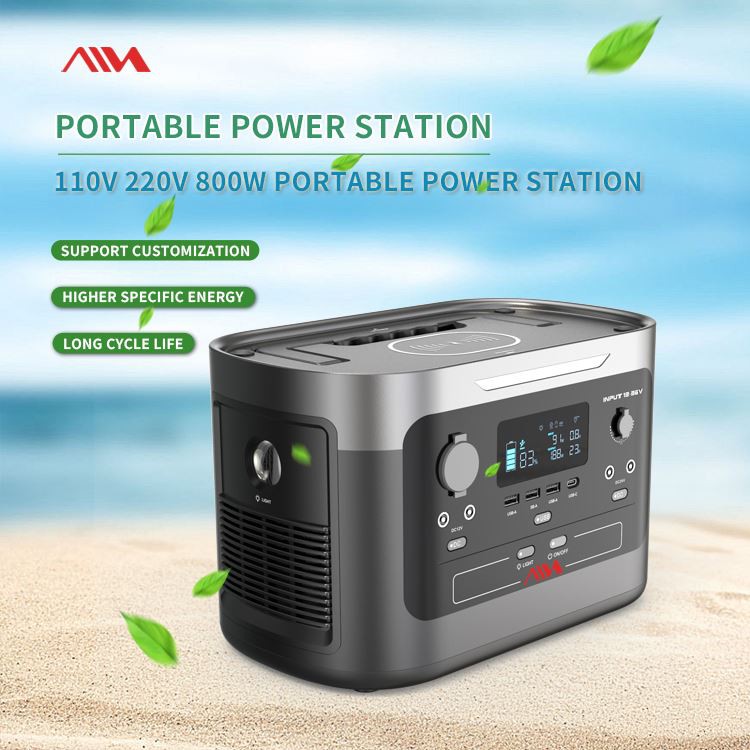
I had a customer who bought a 800W Portable Generator For Outdoor Camping with a lithium - ion battery. He used it every weekend for camping trips during the summer. But he always left the generator in his hot garage after each trip. After just two years, he noticed that the battery wasn't holding a charge as well as it used to. The high temperatures in the garage had accelerated the battery's degradation.
On the other hand, another customer bought a 900W Solar Portable Power Station with a lithium - ion battery. He followed all the proper charging and storage procedures. He made sure to keep the power station out of direct sunlight and charged it slowly. After five years, the battery was still performing great, and he was able to continue using it for his outdoor adventures.
Conclusion
So, to sum it up, the lifespan of an outdoor battery can vary widely depending on the type of battery, usage patterns, and the environment. Lead - acid batteries typically last 2 to 5 years, lithium - ion batteries can last 5 to 15 years, and NiMH batteries usually last 3 to 7 years. By following proper charging, storage, and maintenance practices, you can extend the lifespan of your outdoor battery and get the most out of your investment.
If you're in the market for a high - quality outdoor battery or power station, I'm here to help. I've got a wide range of products to suit your needs, whether you're a casual camper or a hardcore outdoor enthusiast. Feel free to reach out to me to discuss your requirements and start a procurement discussion. I'm confident I can find the perfect outdoor battery solution for you.
References
- Battery University: "Understanding Lithium - Ion Batteries"
- Energy.gov: "Battery Basics"
- Consumer Reports: "Battery Lifespan and Maintenance Tips"