


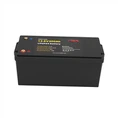

Hey there! As a supplier of AGM GEL batteries, I often get asked this question: "Do AGM GEL batteries emit gases during charging?" Well, let's dive right into it and find out.
First off, let's understand what AGM GEL batteries are. AGM stands for Absorbent Glass Mat, and GEL refers to the gel - type electrolyte inside the battery. These batteries are a type of valve - regulated lead - acid (VRLA) batteries. They're super popular because they're maintenance - free, spill - proof, and can be installed in various positions.
Now, back to the main question. Yes, AGM GEL batteries can emit gases during charging, but it's not as straightforward as it might seem. During the charging process, especially when the battery is nearing its full charge, a chemical reaction occurs within the battery cells. This reaction can lead to the production of hydrogen and oxygen gases through a process called electrolysis.
When the battery is being charged, the electrical energy causes the water in the electrolyte to break down into its components: hydrogen and oxygen. This is more likely to happen if the battery is overcharged. Overcharging means that the charger continues to supply electricity to the battery even after it has reached its full capacity. In a normal charging scenario, the amount of gas emitted is usually very small.
AGM GEL batteries are designed with safety features to handle this gas production. They have a valve that regulates the pressure inside the battery. When the pressure builds up due to gas production, the valve opens to release the excess gas. Once the pressure drops, the valve closes again. This helps to prevent the battery from swelling or even exploding due to excessive pressure.
However, if the charging conditions are not right, the gas emission can become a problem. For example, if the charger voltage is set too high, or if the charging current is too large, the rate of gas production can increase significantly. Also, if the battery is old or damaged, it might not be able to handle the gas production as effectively, leading to more gas being released.
Let's talk about the factors that can affect gas emission during charging. Temperature plays a big role. In high - temperature environments, the chemical reactions inside the battery happen more quickly. This means that the rate of gas production can increase. So, if you're charging an AGM GEL battery in a hot place, you might notice a bit more gas being emitted.
The quality of the charger also matters. A good charger is designed to deliver the right amount of voltage and current to the battery. It will automatically adjust the charging parameters as the battery approaches full charge. On the other hand, a cheap or poorly - designed charger might not be able to do this properly, leading to overcharging and increased gas emission.
Now, you might be wondering if this gas emission is dangerous. Hydrogen gas is highly flammable, and in a confined space, it can form an explosive mixture with air. So, it's important to ensure that the area where the battery is being charged is well - ventilated. This allows the gas to disperse safely and reduces the risk of an explosion.
As a supplier of AGM GEL batteries, I always recommend following the manufacturer's charging instructions. This includes using the right charger, setting the correct charging voltage and current, and monitoring the charging process. If you're unsure about how to charge your battery properly, don't hesitate to ask for advice.
If you're looking for alternatives to AGM GEL batteries, we also offer some great options. For example, check out our Deep Cycle 12V 200ah Lifepo4 BMS Inside. This lithium - ion battery has a built - in Battery Management System (BMS) that helps to ensure safe and efficient charging. It also has a longer lifespan and higher energy density compared to AGM GEL batteries.
Another option is our 12V 100Ah LFP Battery SNR12100. This battery is a great choice for applications that require a reliable power source. It's also more environmentally friendly than traditional lead - acid batteries.
And if you're looking for a battery for home energy storage, our Lifepo4 LFP Battery Pack 12v 300Ah Lithium Lon Battery Rechargeable Battery Pack For Home Energy Storage is a top - notch option. It can store a large amount of energy and provide a stable power supply for your home.
To sum it up, AGM GEL batteries do emit gases during charging, but with proper charging practices and the right charger, the gas emission can be kept to a minimum. It's important to be aware of the potential risks associated with gas emission and take the necessary precautions.
If you're in the market for AGM GEL batteries or any of our other battery products, we're here to help. Whether you have questions about gas emission, charging, or which battery is right for your application, feel free to reach out. We're always happy to have a chat and help you make the best choice for your needs. Let's get the ball rolling on your battery purchase and find the perfect solution for you!


References:
- Battery University - A great resource for battery knowledge and technology.
- Technical manuals of AGM GEL battery manufacturers.