



Do solar generators work in cold weather? This is a question that many potential buyers, especially those in regions with harsh winters or planning cold - climate outdoor activities, often ask. As a solar generator supplier, I'm here to shed light on this topic and provide you with comprehensive insights.
How Solar Generators Work
Before delving into their performance in cold weather, let's briefly understand how solar generators operate. A solar generator consists of three main components: solar panels, a battery, and an inverter. Solar panels capture sunlight and convert it into direct - current (DC) electricity. The battery stores this electricity, and the inverter transforms the DC power into alternating - current (AC) power, which can be used to run various electrical devices.
The Impact of Cold Weather on Solar Panels
Positive Effects
Contrary to what some might think, cold weather can actually have a positive impact on solar panels. Solar panels are semiconductor devices, and their efficiency is inversely related to temperature. In general, as the temperature drops, the efficiency of solar panels increases. This is because the electrical resistance within the semiconductor material decreases in cold conditions, allowing electrons to flow more freely. So, in cold but sunny weather, solar panels can generate electricity more efficiently than in hot weather.
However, this efficiency increase has its limits. Most solar panels are rated at a Standard Test Condition (STC) of 25°C (77°F). If the temperature drops too low, other factors may start to offset the efficiency gain.
Negative Effects
One of the main challenges in cold weather is snow and ice accumulation on solar panels. Snow can block sunlight from reaching the solar cells, significantly reducing the amount of electricity generated. Even a thin layer of snow can cause a substantial drop in power output. Additionally, ice can form on the surface of the panels, which not only blocks sunlight but can also cause physical damage if it expands and contracts due to temperature changes.
Another issue is the reduced sunlight hours in winter. In many regions, the days are shorter during the cold season, which means there is less time for solar panels to capture sunlight and generate electricity.
The Impact of Cold Weather on Batteries
The battery is another crucial component of a solar generator, and cold weather can have a significant impact on its performance.
Chemical Reactions
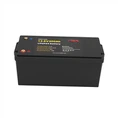
Most solar generators use lithium - ion batteries, which rely on chemical reactions to store and release energy. Cold temperatures slow down these chemical reactions, reducing the battery's ability to charge and discharge efficiently. As a result, the battery may not be able to hold a full charge, and its capacity may appear to decrease in cold weather.
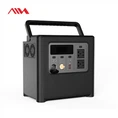
For example, if you have a SNE1000W Portable Power Station with a rated capacity of 1000Wh, in cold weather, it may only be able to deliver 800Wh or even less, depending on the temperature.
Battery Lifespan
Frequent exposure to extremely cold temperatures can also shorten the lifespan of the battery. The repeated stress of cold - induced slowdowns in chemical reactions can cause degradation of the battery's internal components over time.
The Impact of Cold Weather on Inverters
Inverters are generally less affected by cold weather compared to solar panels and batteries. However, they still need to operate within a certain temperature range. Most inverters are designed to work efficiently between - 20°C (- 4°F) and 60°C (140°F). In extremely cold conditions, the inverter may need to work harder to convert DC power to AC power, which can lead to a slight decrease in efficiency and an increase in power consumption.
Strategies to Improve Performance in Cold Weather
Snow and Ice Removal
To deal with snow and ice on solar panels, there are several strategies you can adopt. One option is to manually remove the snow using a soft - bristled brush or a snow rake. It's important to be gentle to avoid scratching the surface of the panels. Another approach is to install solar panels at an angle that allows snow to slide off more easily. Some advanced solar panel systems also come with heating elements or coatings that can prevent ice formation.
Battery Insulation
To protect the battery from the cold, you can insulate it. You can use insulating materials such as foam or thermal blankets to wrap the battery. This helps to maintain a more stable temperature inside the battery and improves its performance. Additionally, some solar generators are designed with built - in battery heaters that can automatically warm the battery when the temperature drops below a certain level.
Choosing the Right Solar Generator
When planning to use a solar generator in cold weather, it's important to choose a model that is suitable for such conditions. For example, the Outdoor 200W 110V 220V Ac Qc3.0 Fast Charge Emergency Multi - Function Portable Lithium Power Station is designed with features that make it more resilient in cold environments. It has a high - quality battery management system that can optimize battery performance in different temperatures.
Real - World Examples
Let's take a look at some real - world scenarios. Suppose you are using a 700W Portable Generator For Outdoor Camping during a winter camping trip in the mountains. The temperature is around - 10°C (14°F), and there is a light snowfall. In this situation, you may notice that the power output of the solar panels is lower than usual due to the snow cover. However, if you clear the snow regularly and the sun comes out, the solar panels can still generate a decent amount of electricity thanks to the cold - induced efficiency increase.
On the battery side, you may find that the battery takes longer to charge and discharges faster than in warm weather. But if you have insulated the battery properly, the performance degradation can be minimized.


Conclusion
In conclusion, solar generators can work in cold weather, but their performance is affected by various factors. While cold temperatures can increase the efficiency of solar panels to some extent, issues such as snow and ice accumulation, reduced sunlight hours, and the impact on batteries and inverters need to be considered.
If you are planning to use a solar generator in cold weather, it's important to take appropriate measures to ensure optimal performance. By choosing the right solar generator, implementing snow and ice removal strategies, and protecting the battery from the cold, you can still rely on solar power even in harsh winter conditions.
If you are interested in purchasing a solar generator for cold - weather use or have any questions about our products, please feel free to contact us for further discussion and negotiation. We are committed to providing you with the best solar power solutions tailored to your needs.
References
- "Solar Photovoltaic Technology: Electricity from Sunshine" by Martin A. Green
- Manufacturer's specifications and technical documents of solar generators and solar panels.