



Can stackable batteries be used in remote - controlled toys?
As a supplier of stackable batteries, I often get asked about the various applications of our products. One question that has come up frequently is whether stackable batteries can be used in remote - controlled toys. In this blog post, I'll explore this topic in detail, looking at the advantages, challenges, and considerations when using stackable batteries in remote - controlled toys.


Advantages of Using Stackable Batteries in Remote - Controlled Toys
1. Customizable Power
One of the key benefits of stackable batteries is their ability to provide customizable power. Remote - controlled toys come in a wide range of sizes and power requirements. Smaller toys may only need a low - voltage power source, while larger, more advanced toys with high - performance motors and additional features like lights and sound systems may require a higher voltage and capacity. With stackable batteries, users can combine multiple battery units to achieve the exact voltage and capacity needed for their specific remote - controlled toy. For example, if a toy typically requires 12V of power, and each stackable battery unit provides 3V, four units can be stacked together to meet the requirement.
2. Extended Playtime
Remote - controlled toys are often used for entertainment, and nothing is more frustrating than having the battery run out quickly. Stackable batteries can significantly extend the playtime of these toys. By adding more battery units, the overall energy storage capacity of the power source increases. This means that the toy can operate for a longer period without the need for frequent recharging or battery replacement. For instance, a single battery might power a remote - controlled car for 10 minutes, but by stacking three or four batteries, the playtime could be extended to 30 - 40 minutes or even more.
3. Flexibility in Design
Stackable batteries offer great flexibility in the design of remote - controlled toys. Toy manufacturers can design their products to accommodate different battery configurations. This allows for more modular and adaptable toy designs. For example, a toy could be designed with a battery compartment that can accept a single battery for basic functionality or multiple stacked batteries for enhanced performance. This flexibility not only benefits the manufacturers but also gives consumers the option to upgrade the power source of their existing toys as needed.
Challenges and Considerations
1. Size and Weight
One of the main challenges when using stackable batteries in remote - controlled toys is the potential increase in size and weight. Adding more battery units means more physical space is required, and the overall weight of the toy will also increase. This can have a negative impact on the toy's performance, especially if it is designed to be lightweight and agile. For example, a small, fast - moving remote - controlled helicopter may become more difficult to maneuver if the addition of stackable batteries makes it too heavy. Toy designers need to carefully balance the power requirements with the size and weight limitations of the toy.
2. Compatibility
Ensuring compatibility between the stackable batteries and the remote - controlled toy is crucial. The voltage, current, and charging requirements of the batteries must match the specifications of the toy's electrical system. If the batteries provide too much or too little voltage, it can damage the toy's components or cause it to malfunction. Additionally, the charging system of the stackable batteries must be compatible with the toy's charging port or the charger provided. Some toys may have specific charging protocols that need to be followed to ensure safe and efficient charging.
3. Cost
Stackable batteries can be more expensive than traditional single - unit batteries. The cost of purchasing multiple battery units and the associated stacking hardware can add up. This may make the overall cost of the remote - controlled toy and its power source higher for consumers. However, it's important to consider the long - term benefits, such as extended playtime and customizable power, which may offset the initial higher cost.
Our Stackable Battery Products
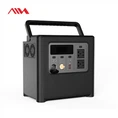
At our company, we offer a range of stackable battery products that are suitable for various applications, including remote - controlled toys. Our 20kWh Residential Energy Storage System is a high - capacity solution that can be adapted for larger, more power - hungry remote - controlled toys. It provides a stable and reliable power source with the option to stack multiple units for even greater capacity.
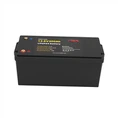
Our LiFePO4 51.2V 100Ah 5Kwh Stackable Battery is another excellent choice. LiFePO4 batteries are known for their high energy density, long cycle life, and safety features. This battery can be easily stacked to meet the specific power requirements of different remote - controlled toys. It is also suitable for toys that require a higher voltage and capacity.
The Stackable 51.2v 400ah Lifepo4 20KWh Battery is a powerful option for more advanced remote - controlled toys. With its high capacity and stackable design, it can provide extended playtime and reliable performance.
Conclusion
In conclusion, stackable batteries can indeed be used in remote - controlled toys, offering several advantages such as customizable power, extended playtime, and flexibility in design. However, there are also challenges and considerations, including size and weight, compatibility, and cost. As a stackable battery supplier, we are committed to providing high - quality products that address these issues and meet the diverse needs of our customers.
If you are interested in using our stackable batteries for your remote - controlled toys or have any questions about our products, we encourage you to contact us for further information and to discuss potential procurement opportunities. Our team of experts is ready to assist you in finding the best battery solution for your specific requirements.
References
- Battery Technology Handbook: A comprehensive guide on different battery types and their applications.
- Toy Design and Engineering Journal: Articles on the latest trends and challenges in toy design, including power source considerations.
- Industry reports on the market for remote - controlled toys and battery technologies.