



Hey there! If you're in the hunt for more power, you've landed in the right place. I'm a supplier of solar generators, and I get this question a lot: "How do I connect multiple solar generators together?" Well, let's dive right into it.
First things first, why would you want to connect multiple solar generators? Simple. Sometimes, a single solar generator just won't cut it. Maybe you're powering a big event, like a wedding or a weekend-long music festival in the middle of nowhere. Or perhaps you're setting up a small off - grid home where you need a continuous and substantial power supply. By connecting multiple generators, you can combine their power outputs and meet those high - energy demands.
Understanding Your Solar Generators
Before you start hooking up those generators, you need to know what you've got. Different solar generators have different specs, and you can't just blindly connect them. You need to look at their voltage, capacity, and power rating.
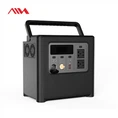
Let's say you've got a couple of 700W Solar Portable Power Station. These are great for small - to - medium tasks like charging your phone, running a small fridge, or powering some LED lights. The 700W power rating tells you how much power it can deliver at a given time.
Voltage is super important. You want all the generators you're connecting to have the same voltage. Why? Because if they don't, you could end up with an electrical imbalance. One generator might end up overworking while the other is underutilized, which can lead to damage and also reduce the overall efficiency of your power setup.
Capacity is another key factor. It's like the size of a gas tank in a car. A solar generator with a high capacity can store more energy, so it can power your devices for a longer time. If you're connecting generators with different capacities, you need to be aware that the generator with the lower capacity might drain faster, and then it won't contribute to the overall power supply until it's recharged.
Parallel Connection
One of the most common ways to connect multiple solar generators is in parallel. This is great when you want to increase the overall current output while keeping the voltage the same.
Here's how it works. You'll need special parallel connection cables. These cables are designed to safely transfer electricity between the generators. First, make sure all your generators are turned off. Then, use the parallel cables to connect the positive terminals of one generator to the positive terminals of the other generators, and do the same for the negative terminals.
Let's say you've got three 700W solar generators. By connecting them in parallel, you can effectively increase the total current they can supply. So, instead of having a single 700W power source, you'll have a combined power output that can handle more power - hungry devices.
The advantage of parallel connection is that it's relatively simple and it allows you to use all the generators more evenly. Each generator contributes to the overall power supply according to its capacity. However, you also need to be careful not to overload the connection. Make sure the total power demand from your devices doesn't exceed the combined power rating of the generators.
Series Connection
Another option is series connection. This method is used when you want to increase the voltage while keeping the current the same.
For a series connection, you connect the positive terminal of one generator to the negative terminal of the next generator. Just like with parallel connection, make sure all the generators are turned off before you start.
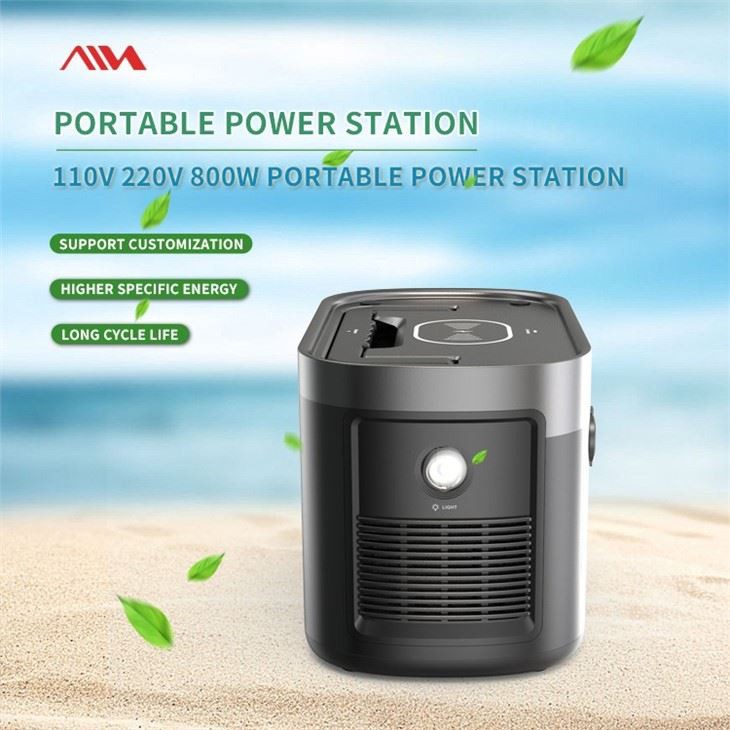
Let's take a couple of 800W Portable Generator For Outdoor Camping. If you connect them in series, the voltage output will be the sum of the individual generator voltages. This can be useful if you have devices that require a higher voltage to operate.
But series connection also has its drawbacks. If one generator fails or has a lower voltage output than the others, it can affect the performance of the entire setup. So, you need to regularly check the condition of all your generators when using a series connection.
Safety First
When connecting multiple solar generators, safety should be your top priority.
Always wear appropriate safety gear, like insulated gloves, when handling electrical connections. Make sure the area where you're making the connections is dry. Water and electricity are a dangerous combination, and you don't want to risk an electrical shock.
Don't forget to use fuses and circuit breakers. These are like safety valves in your electrical system. They can prevent over - current situations, which can cause fires or damage to your generators.
Before you start using your connected generators, do a test run. Turn on a few low - power devices to make sure everything is working as it should. If you notice any strange noises, smells, or if the generators seem to be overheating, turn off the setup immediately and check for problems.
Practical Considerations
In real - world scenarios, you also need to think about the logistics. Where are you going to place the generators? They need to have enough ventilation to prevent overheating. You don't want to stack them on top of each other, as this can block the airflow.
Also, consider the length of the cables you're using. Long cables can cause a voltage drop, which means that the power reaching your devices will be less than what the generators are producing. So, try to keep the cable lengths as short as possible.
If you're going to be using the connected generators for an extended period, you need to have a plan for recharging them. Whether it's through solar panels, a wall outlet, or a vehicle charging port, make sure you've got a reliable way to keep your generators topped up.
Combining Different Models
What if you have different models of solar generators, like a 700W Solar Portable Power Station and a 1000W Solar Portable Power Station? It's possible to connect them, but you need to be extra careful.
As I mentioned before, check the voltage first. If the voltage is the same, you can proceed, but be aware of the power rating difference. You might want to use a power management system. This can help distribute the power more evenly between the generators, so that one doesn't get overloaded.

Conclusion and Call to Action
Connecting multiple solar generators can be a great way to meet your high - power needs. Whether it's for a big outdoor event, an off - grid living situation, or just to have a more reliable power backup, it's a useful skill to have.
If you're interested in learning more about solar generators or if you're looking to purchase some for your own needs, I'd love to talk to you. Feel free to reach out for a purchase consultation. We've got a wide range of solar generators that can fit your requirements, whether you're a casual camper or a full - time off - gridder.
Let's work together to create the perfect power solution for you!
References
- Solar Power Handbook: A Comprehensive Guide to Solar Energy Systems.
- Electrical Safety Standards and Best Practices for Portable Power Generators.
- Manufacturer's Manuals for Various Solar Generators.