



Charging a 24V battery correctly is crucial for ensuring its longevity, performance, and safety. As a leading 24V battery supplier, we understand the importance of providing you with the most accurate and practical information on this topic. In this blog, we'll delve into the intricacies of charging a 24V battery, exploring different types of 24V batteries, the charging process, and best practices.
Understanding 24V Batteries
Before we discuss how to charge a 24V battery, it's essential to understand the different types of 24V batteries available in the market. The most common types include lead - acid and lithium - iron phosphate (LiFePO4) batteries.
Lead - acid Batteries
Lead - acid batteries are one of the oldest and most widely used types of rechargeable batteries. They are known for their relatively low cost and high surge current capabilities. However, they have a lower energy density compared to LiFePO4 batteries and require regular maintenance, such as checking and topping up the electrolyte levels.
Lithium - iron Phosphate (LiFePO4) Batteries
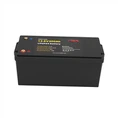
LiFePO4 batteries are a modern alternative to lead - acid batteries. They offer several advantages, including a longer lifespan, higher energy density, faster charging times, and better performance in extreme temperatures. Additionally, they are more environmentally friendly as they do not contain harmful heavy metals. For example, our Golf Cart EV Battery 24V 100Ah Rechargeable Deep Cycle Lithium Iron Phosphate LiFePO4 Batteries are designed to provide reliable power for golf carts and other electric vehicles.

The Charging Process
Selecting the Right Charger
The first step in charging a 24V battery is to select the appropriate charger. Using the wrong charger can lead to overcharging, undercharging, or even damage to the battery.
- For Lead - acid Batteries: A charger specifically designed for lead - acid batteries is required. These chargers typically have multiple charging stages, including bulk charge, absorption charge, and float charge. The bulk charge stage is the fastest, where the charger supplies a high current to quickly replenish the battery's charge. The absorption charge stage follows, where the charger reduces the current to a lower level to fully charge the battery without overcharging. Finally, the float charge stage maintains the battery at a full charge without causing excessive gassing or degradation.
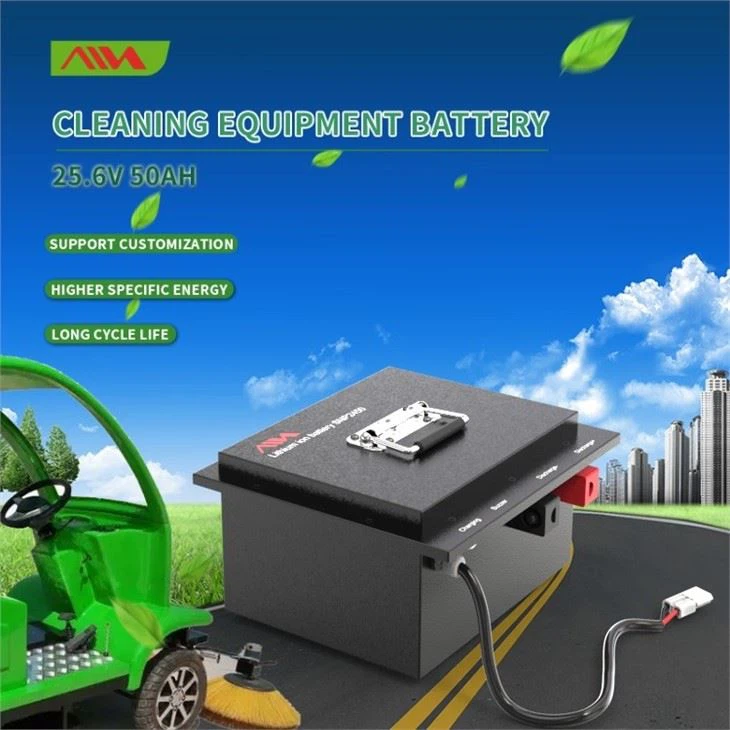
- For LiFePO4 Batteries: LiFePO4 batteries require a charger with a different charging profile. LiFePO4 chargers are designed to match the battery's voltage and charging characteristics. They usually have a lower charging voltage compared to lead - acid chargers to prevent overcharging. Our Cleaning Equipment Battery Pack 24V 50ah comes with detailed instructions on selecting the right charger to ensure optimal performance and longevity.
Pre - charging Checks
Before connecting the charger to the battery, it's important to perform some pre - charging checks:
- Visual Inspection: Check the battery for any signs of damage, such as cracks, leaks, or corrosion. If the battery is damaged, it should not be charged and should be replaced immediately.
- Terminal Cleaning: Clean the battery terminals using a wire brush to remove any corrosion or dirt. This ensures a good electrical connection between the battery and the charger, reducing the risk of voltage drops and overheating.
- Voltage Measurement: Use a multimeter to measure the battery's voltage. A fully charged 24V lead - acid battery should have a voltage of around 25.2 - 25.8V, while a fully charged 24V LiFePO4 battery should have a voltage of around 27.2 - 28.8V. If the battery voltage is significantly lower than the expected range, it may indicate a problem with the battery or a deep discharge.
Connecting the Charger
Once the pre - charging checks are complete, you can connect the charger to the battery:
- Positive to Positive, Negative to Negative: Connect the positive (red) terminal of the charger to the positive terminal of the battery and the negative (black) terminal of the charger to the negative terminal of the battery. Always double - check the connections to ensure they are correct, as reversing the polarity can damage the battery and the charger.
- Ventilation: Ensure that the charging area is well - ventilated, especially when charging lead - acid batteries, as they can produce hydrogen gas during the charging process. Hydrogen gas is highly flammable, and adequate ventilation helps prevent the buildup of explosive gas concentrations.
Charging Stages
- Initial Charging: When you start the charger, the battery enters the initial charging stage. The charger supplies a high current to quickly charge the battery. This stage continues until the battery reaches a certain voltage level.
- Absorption Charging: After the initial charging stage, the charger reduces the current and maintains a constant voltage to fully charge the battery. This stage can take several hours, depending on the battery's state of charge and capacity.
- Float Charging: Once the battery is fully charged, the charger switches to the float charging stage. In this stage, the charger supplies a low current to maintain the battery at a full charge without overcharging.
Best Practices for Charging 24V Batteries
Avoid Overcharging
Overcharging a battery can cause excessive gassing, overheating, and damage to the battery's internal components. This can significantly shorten the battery's lifespan and reduce its performance. To avoid overcharging, use a charger with an automatic shut - off feature or a charger specifically designed for the type of battery you are using.
Charge Regularly
Regular charging helps maintain the battery's performance and longevity. Avoid letting the battery discharge completely, especially lead - acid batteries, as this can cause sulfation, a condition where lead sulfate crystals form on the battery plates and reduce the battery's capacity.
Charge in the Right Environment
The temperature and humidity of the charging environment can affect the charging process and the battery's performance. Ideally, batteries should be charged in a cool, dry place with a temperature between 20 - 25°C (68 - 77°F). Avoid charging the battery in extreme temperatures, as this can damage the battery and reduce its lifespan.
Applications of 24V Batteries
24V batteries are used in a wide range of applications, including:
- Electric Vehicles: Golf carts, electric bikes, and small forklifts often use 24V batteries to provide power. Our Sweeper Robot 24V 100ah Lifepo4 Battery is specifically designed for use in sweeper robots, offering reliable power and long run times.
- Renewable Energy Systems: In off - grid solar and wind power systems, 24V batteries are used to store the energy generated by the renewable energy sources. This stored energy can then be used to power electrical appliances during periods of low or no renewable energy generation.
- Marine Applications: 24V batteries are commonly used in boats and yachts to power the electrical systems, including lights, navigation equipment, and pumps.
Contact for Procurement
If you are in the market for high - quality 24V batteries or have any questions about charging and maintaining them, we are here to help. Our team of experts can provide you with personalized advice and solutions based on your specific needs. Whether you need a single battery or a large quantity for your business, we can offer competitive prices and excellent customer service. Please feel free to reach out to us to start the procurement conversation.
References
- Battery University: A comprehensive online resource for battery technology and information.
- Manufacturers' Manuals: The manuals provided by battery manufacturers offer detailed information on charging, maintenance, and safety.