


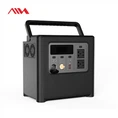
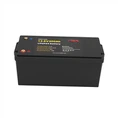

Maintaining stackable batteries is crucial for ensuring their long - term performance, safety, and efficiency. As a stackable battery supplier, I've witnessed firsthand the importance of proper maintenance in maximizing the lifespan and functionality of these energy storage solutions. In this blog, I'll share some key tips on how to maintain stackable batteries effectively.
Understanding Stackable Batteries
Before delving into maintenance, it's essential to understand what stackable batteries are. Stackable batteries are designed to be connected in series or parallel to increase voltage or capacity, respectively. This modular design allows users to scale their energy storage systems according to their specific needs. For example, our Stackable Household Lithium 51.2v 200ah can be stacked to create a larger energy storage solution for residential use.
Regular Inspection
One of the most basic yet important maintenance tasks is regular inspection. Check the physical condition of the batteries frequently. Look for any signs of damage, such as cracks, bulges, or leaks. These issues can indicate internal problems that may lead to battery failure or even pose a safety hazard. Inspect the battery terminals as well. Loose or corroded terminals can cause poor electrical connections, which can reduce the battery's performance and efficiency. If you notice any corrosion on the terminals, clean them with a mixture of baking soda and water. Make sure to disconnect the battery from the power source before cleaning to avoid electrical shock.
Temperature Management
Temperature has a significant impact on the performance and lifespan of stackable batteries. Most batteries operate optimally within a specific temperature range. For lithium - ion batteries, the ideal operating temperature is typically between 20°C and 25°C (68°F and 77°F). High temperatures can accelerate the chemical reactions inside the battery, leading to faster degradation and reduced capacity. On the other hand, low temperatures can increase the internal resistance of the battery, reducing its ability to deliver power.


To manage the temperature of your stackable batteries, install them in a well - ventilated area. Avoid placing them in direct sunlight or near heat sources such as heaters or engines. If you're using the batteries in an environment with extreme temperatures, consider using a temperature - controlled enclosure or a cooling system to keep the batteries within the optimal temperature range. For instance, our 20kWh Residential Energy Storage System is designed to handle a wide range of temperatures, but proper temperature management can still enhance its performance.
Charging and Discharging Practices
Proper charging and discharging practices are essential for maintaining the health of stackable batteries. Overcharging or over - discharging can cause irreversible damage to the battery cells. Most modern stackable batteries come with built - in battery management systems (BMS) that help prevent overcharging and over - discharging. However, it's still important to follow the manufacturer's recommended charging and discharging guidelines.
When charging the batteries, use a charger that is compatible with the battery type and specifications. Avoid using a charger with a higher voltage or current rating than recommended, as this can damage the batteries. It's also a good idea to charge the batteries slowly whenever possible. Fast charging can generate more heat, which can reduce the battery's lifespan.
During discharging, avoid deep discharging the batteries. Most lithium - ion batteries should not be discharged below 20% of their capacity. Deep discharging can cause the battery cells to become unbalanced, which can lead to reduced capacity and performance over time. If you need to discharge the batteries completely for maintenance or testing purposes, make sure to recharge them as soon as possible.
Battery Balancing
Battery balancing is an important aspect of maintaining stackable batteries, especially when they are connected in series. In a series - connected battery pack, the cells should have the same voltage and capacity to ensure optimal performance. However, over time, the cells may become unbalanced due to differences in self - discharge rates, charging and discharging patterns, or manufacturing variations.
To balance the batteries, use a battery balancer or a BMS with balancing capabilities. A battery balancer works by equalizing the voltage of each cell in the battery pack. This helps to ensure that all the cells are charged and discharged evenly, which can extend the battery's lifespan and improve its performance. Our 51.2v 300ah Lifepo4 15KWh Solar ESS is equipped with an advanced BMS that includes battery balancing functionality to maintain the health of the battery cells.
Software Updates
If your stackable batteries are equipped with a smart BMS or other control software, make sure to keep the software up - to - date. Software updates can improve the battery's performance, add new features, and enhance its safety. Check the manufacturer's website regularly for software updates and follow the instructions carefully when installing them.
Documentation and Record - Keeping
Maintaining proper documentation and records of your stackable batteries is also important. Keep a record of the battery's installation date, charging and discharging cycles, maintenance activities, and any issues or problems that you encounter. This information can be valuable for troubleshooting, warranty claims, and overall battery management.
Conclusion
Maintaining stackable batteries requires a combination of regular inspection, temperature management, proper charging and discharging practices, battery balancing, software updates, and documentation. By following these tips, you can ensure that your stackable batteries operate at their best, provide reliable energy storage, and have a long lifespan.
If you're interested in learning more about our stackable battery products or have any questions about battery maintenance, we'd be happy to assist you. Whether you're a homeowner looking for a residential energy storage solution or a business in need of a large - scale energy storage system, we have the expertise and products to meet your requirements. Contact us today to start a discussion about your energy storage needs and explore how our stackable batteries can benefit you.
References
- Linden, D., & Reddy, T. B. (2002). Handbook of Batteries. McGraw - Hill Professional.
- Tarascon, J. M., & Armand, M. (2001). Issues and challenges facing rechargeable lithium batteries. Nature, 414(6861), 359 - 367.
- Gregory, D. P., & Offer, G. J. (2017). Lithium - ion battery degradation: how to model it. Journal of The Electrochemical Society, 164(13), A2879 - A2889.