




A forklift battery with low voltage can be a significant headache for any business relying on these industrial workhorses. As a trusted forklift battery supplier, I've encountered numerous situations where customers face the issue of low - voltage batteries. In this blog, I'll share some practical steps on how to deal with a forklift battery that has a low voltage.
1. Initial Diagnosis
The first step in addressing a low - voltage forklift battery is to conduct a thorough diagnosis. Low voltage can stem from various factors, including normal wear and tear, improper charging, or a faulty battery cell.
- Visual Inspection: Start by visually examining the battery. Look for signs of physical damage such as cracks, leaks, or corrosion on the terminals. Corroded terminals can impede the flow of electricity, leading to a drop in voltage. If you notice any corrosion, it can be cleaned using a mixture of baking soda and water. Apply the solution to the terminals with a brush, and then rinse it off with clean water.
- Check the Battery's Age and Usage: Forklift batteries have a limited lifespan. If the battery is old and has been used extensively, it might be approaching the end of its useful life. Generally, a well - maintained lead - acid forklift battery can last between 5 to 7 years. If your battery is nearing or has exceeded this timeframe, it could be the root cause of the low - voltage problem.
2. Charging the Battery
Proper charging is crucial for maintaining the voltage of a forklift battery.
- Use the Correct Charger: Ensure that you are using a charger specifically designed for your forklift battery. Using an incompatible charger can lead to under - charging or over - charging, both of which can damage the battery and result in low voltage. For example, if you have a lithium - ion forklift battery, using a lead - acid charger will not work correctly.
- Follow the Charging Schedule: Forklift batteries should be charged according to a regular schedule. Most forklift batteries require a full charge after each shift of use. Avoid leaving the battery in a discharged state for an extended period, as this can cause sulfation in lead - acid batteries, which reduces their capacity and voltage.
- Monitor the Charging Process: While the battery is charging, keep an eye on the charger's indicators. Some chargers have built - in features that can detect if the battery is not charging properly. If you notice any abnormal behavior during the charging process, such as excessive heat or a slow charge rate, it could indicate a problem with the battery or the charger.
3. Testing the Battery Cells
If the battery still has low voltage after charging, it's time to test the individual cells.
- Cell Voltage Testing: Use a voltmeter to measure the voltage of each cell in the battery. In a lead - acid battery, each cell should have a voltage of around 2.1 volts when fully charged. If you find that one or more cells have a significantly lower voltage than the others, it could be a sign of a faulty cell.
- Load Testing: A load test can provide more information about the battery's overall health. During a load test, a specific load is applied to the battery, and the voltage is measured. If the voltage drops rapidly under load, it indicates that the battery may not be able to deliver the necessary power.
4. Repair or Replacement
Depending on the results of your diagnosis and testing, you'll need to decide whether to repair or replace the battery.
- Repairing the Battery: If the problem is isolated to one or a few cells, it may be possible to repair the battery. For lead - acid batteries, a faulty cell can sometimes be replaced. However, this requires specialized knowledge and tools, so it's often best to have a professional perform the repair.
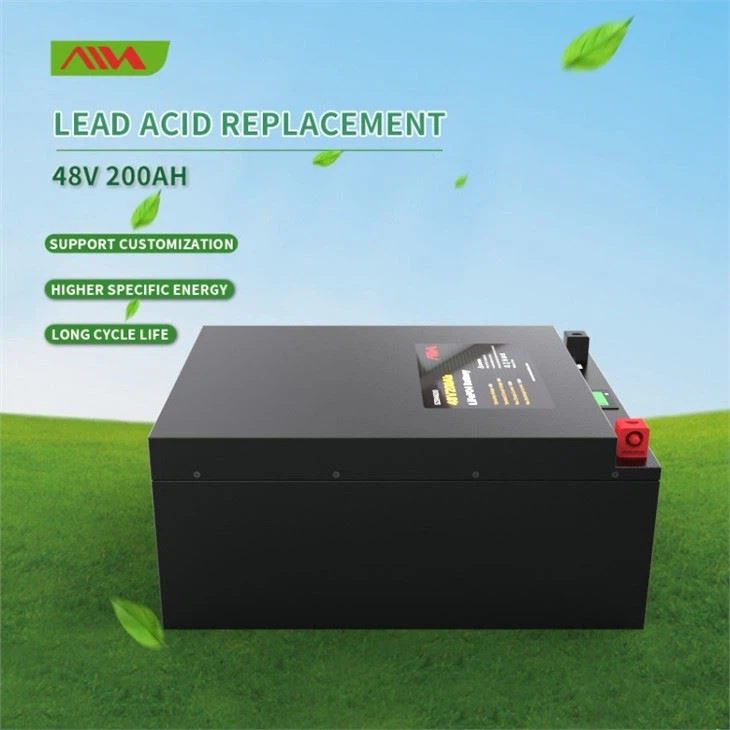
- Replacing the Battery: If the battery is old, has multiple faulty cells, or has significant physical damage, it's usually more cost - effective to replace it. As a forklift battery supplier, I offer a wide range of high - quality batteries to meet your needs. For example, the Deep Cycle 48V 200ah EV Battery is a great option for heavy - duty forklift applications. It provides a long - lasting and reliable power source. Another excellent choice is the Rechargeable Smart BMS Bluetooth Lithium Ion Battery 48v 100ah Lithium Battery Lifepo4 Battery, which features advanced technology for efficient charging and discharging. And the 48V 100ah Lifepo4 Bms Inside Battery offers a compact and high - performance solution.
5. Preventive Maintenance
To avoid future low - voltage issues, it's essential to implement a preventive maintenance program for your forklift batteries.
- Regular Inspections: Conduct regular visual inspections of the battery, as described earlier. Check for signs of damage, corrosion, and proper fluid levels (in the case of lead - acid batteries).
- Proper Storage: When the forklift is not in use for an extended period, store the battery in a cool, dry place. If the battery is stored for too long without being charged, it can self - discharge and develop sulfation.
- Employee Training: Ensure that your forklift operators are trained on proper battery handling and charging procedures. They should know how to recognize the signs of a low - voltage battery and report any issues promptly.
In conclusion, dealing with a forklift battery that has a low voltage requires a systematic approach. By following the steps outlined in this blog, you can diagnose the problem, take appropriate corrective actions, and implement preventive measures to keep your forklift batteries in optimal condition. If you have any questions or need assistance in choosing the right forklift battery for your business, feel free to reach out. Our team of experts is always ready to help you make an informed decision and ensure that your forklifts operate smoothly and efficiently.

References
- Battery Council International. (2023). Forklift Battery Maintenance Guide.
- OSHA. (2022). Powered Industrial Truck Standards.