


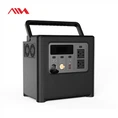
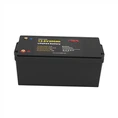
Hey there! I'm a supplier of stackable batteries, and today I wanna chat about how these bad boys handle overcharging. Stackable batteries have become super popular lately, especially for solar energy storage and residential use. They're convenient, scalable, and can store a whole lot of energy. But one of the big concerns with any battery is overcharging, which can reduce its lifespan, cause safety issues, and even lead to a fire in extreme cases. So, let's dig into how stackable batteries deal with this problem.
First off, what exactly is overcharging? Well, when you charge a battery, you're basically pushing electrons into it. Once the battery is full, if you keep pushing those electrons in, that's overcharging. It can cause all sorts of problems like overheating, chemical reactions that damage the battery cells, and in some cases, the battery can even explode. Not cool, right?
Now, let's talk about how stackable batteries are designed to prevent overcharging. Most modern stackable batteries, especially the ones we supply, come with a built - in Battery Management System (BMS). The BMS is like the brain of the battery. It constantly monitors the battery's voltage, temperature, and state of charge. When it senses that the battery is getting close to being fully charged, it starts to regulate the charging process.


For example, let's say you have our LiFePO4 51.2V 100Ah 5Kwh Stackable Battery. The BMS in this battery will keep an eye on the voltage of each individual cell. As the cells approach their maximum voltage, the BMS will reduce the charging current. This way, it ensures that the cells don't get overcharged. It's like putting a speed limit on the charging process to keep everything safe.
Another important function of the BMS is cell balancing. In a stackable battery, there are multiple cells connected together. Sometimes, these cells don't charge and discharge at the same rate. Some cells might get fully charged before others. The BMS will redistribute the charge among the cells to make sure they're all at the same state of charge. This not only helps prevent overcharging but also improves the overall performance and lifespan of the battery.
Thermal management also plays a crucial role in handling overcharging. When a battery is overcharged, it generates heat. Too much heat can damage the battery and increase the risk of a fire. That's why our stackable batteries are designed with thermal sensors and cooling systems. The thermal sensors constantly monitor the temperature of the battery. If the temperature starts to rise too high, the BMS can take action. It might reduce the charging current or even stop the charging process altogether until the battery cools down.
Let's take a look at our 20kWh Residential Energy Storage System. This system is made up of multiple stackable battery modules. Each module has its own BMS, and there's also an overall system - level BMS. The system - level BMS coordinates the charging and discharging of all the modules. It ensures that the entire system is charged evenly and that no module gets overcharged. The thermal management system in this system is also top - notch. It uses fans and heat sinks to dissipate the heat generated during charging and discharging, keeping the battery at a safe temperature.
Our Stackable Household Lithium 51.2v 200ah is another great example. The BMS in this battery is designed to be very precise. It can detect even the slightest changes in voltage and temperature. This allows it to react quickly to any potential overcharging situations. And the cell balancing feature in this battery is really effective. It makes sure that all the cells in the battery stack are in harmony, which is essential for long - term battery performance.
But it's not just about the technology inside the battery. We also provide clear instructions to our customers on how to charge the batteries properly. For example, we recommend using a charger that's compatible with the battery. Using the wrong charger can increase the risk of overcharging. We also tell our customers to avoid charging the battery in extreme temperatures, as this can affect the BMS's ability to regulate the charging process.
In addition to the built - in safety features, our stackable batteries are also tested rigorously before they leave the factory. We perform a series of tests, including overcharging tests, to make sure that the batteries can handle abnormal charging conditions without any issues. We use advanced testing equipment to simulate different charging scenarios and monitor the battery's performance.
So, in conclusion, stackable batteries have multiple layers of protection against overcharging. The BMS, cell balancing, thermal management, and proper user instructions all work together to keep the battery safe and extend its lifespan. Whether you're looking for a small - scale battery for your home solar system or a large - scale energy storage solution, our stackable batteries are designed to handle overcharging effectively.
If you're interested in our stackable batteries and want to learn more about how they can meet your energy storage needs, or if you have any questions about overcharging or other battery - related issues, don't hesitate to reach out. We're here to help you make the right choice for your energy storage project. Whether you're a homeowner, a business owner, or an installer, we can provide you with the best solutions and support.
References:
- Battery University: A comprehensive resource on battery technology and safety.
- Industry reports on energy storage systems and battery safety.