



Hey there! I'm a supplier of stackable batteries, and I've been getting a lot of questions lately about how these batteries perform in low-light conditions. So, I thought I'd share some insights based on my experience and the latest research.
First off, let's talk about what stackable batteries are. Stackable batteries are a type of energy storage solution that allows you to connect multiple battery modules together to increase your overall storage capacity. This is super handy, especially for solar energy systems, where you might need to store a large amount of energy during the day to use at night or during cloudy days.
Now, the big question: how do these stackable batteries hold up in low-light conditions? Well, it all boils down to a few key factors.
Battery Chemistry
The type of battery chemistry used in stackable batteries plays a huge role in their performance in low-light situations. Most of the stackable batteries on the market today use lithium iron phosphate (LiFePO4) chemistry. LiFePO4 batteries are known for their high energy density, long cycle life, and excellent thermal stability.
In low-light conditions, LiFePO4 batteries tend to perform quite well. They have a relatively flat discharge curve, which means they can maintain a stable voltage output even as the battery discharges. This is crucial because it ensures that your devices or systems are getting a consistent supply of power, even when the charging rate is low.
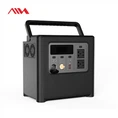
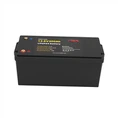
For example, our Stackable 51.2v 400ah Lifepo4 20KWh Battery uses LiFePO4 chemistry. It's designed to provide reliable energy storage, whether you're dealing with bright sunlight or overcast skies. The high capacity of this battery means you can store a large amount of energy during the day, which can then be used during periods of low light or at night.
Charging Efficiency
Another important factor is the charging efficiency of the stackable batteries. In low-light conditions, the amount of energy available for charging is limited. So, a battery with high charging efficiency is essential.
Stackable batteries are often equipped with advanced charging management systems that can optimize the charging process. These systems can adjust the charging rate based on the available energy, ensuring that the battery is charged as efficiently as possible.
For instance, our 51.2v 300ah Lifepo4 15KWh Solar ESS comes with a smart charging management system. This system can detect the amount of sunlight available and adjust the charging parameters accordingly. This means that even in low-light conditions, the battery can still be charged effectively, maximizing its energy storage capacity.
Self-Discharge Rate
The self-discharge rate of a battery is also a critical factor when it comes to performance in low-light conditions. The self-discharge rate refers to the rate at which a battery loses its charge when it's not in use.
Stackable LiFePO4 batteries generally have a low self-discharge rate. This means that they can hold their charge for a long time, even when they're not being actively charged. So, if you have a period of low light or cloudy weather, the battery won't lose its charge quickly, and you'll still have energy available when you need it.


Our Stackable Household Lithium 51.2v 200ah has a very low self-discharge rate. This makes it ideal for use in low-light environments, as it can store energy for extended periods without significant loss.
Temperature Sensitivity
Temperature can also have an impact on the performance of stackable batteries in low-light conditions. In general, LiFePO4 batteries are less sensitive to temperature changes compared to other types of batteries.
However, extreme cold or hot temperatures can still affect the battery's performance. In low-light conditions, the temperature might be lower, especially at night. Stackable batteries are often designed with thermal management systems to help regulate the temperature and ensure optimal performance.
For example, some of our stackable batteries have built-in heating elements that can keep the battery at an optimal temperature during cold weather. This helps to maintain the battery's performance and extend its lifespan.
Real-World Performance
To give you a better idea of how stackable batteries perform in low-light conditions, let's look at some real-world scenarios.
Imagine you have a solar energy system with stackable batteries installed in a region that experiences a lot of cloudy days. During the day, the solar panels might not be able to generate as much energy as they would on a sunny day. However, the stackable batteries can still store the limited energy that is generated.
At night, when there's no sunlight at all, the batteries can provide power to your home or business. Thanks to their high energy density and low self-discharge rate, the batteries can keep your lights on, your appliances running, and your devices charged.
In another scenario, let's say you have a remote off-grid cabin. The cabin is located in a forested area where there's a lot of shade, resulting in low-light conditions. Stackable batteries can be a great solution for this situation. They can store the energy generated by a small solar panel system during the day and provide power at night or during periods of heavy cloud cover.
Conclusion
In conclusion, stackable batteries, especially those using LiFePO4 chemistry, perform quite well in low-light conditions. Their high energy density, long cycle life, low self-discharge rate, and advanced charging management systems make them a reliable choice for energy storage in situations where sunlight is limited.
If you're considering using stackable batteries for your solar energy system or any other application, I'd be more than happy to help. Whether you have questions about the technical specifications, installation, or performance in low-light conditions, feel free to reach out. We can discuss your specific needs and find the best stackable battery solution for you.
So, don't let low-light conditions hold you back from enjoying the benefits of renewable energy. Contact us today to start the conversation about how our stackable batteries can meet your energy storage needs.
References
- "Lithium Iron Phosphate Batteries: A Review of Their Performance and Applications" - Journal of Power Sources
- "Energy Storage Systems for Renewable Energy Integration" - International Renewable Energy Agency (IRENA)
- "Battery Management Systems: Design and Implementation" - IEEE Transactions on Industrial Electronics