



As a home battery supplier, I've witnessed firsthand the remarkable transformation that home batteries bring to households. They offer energy independence, backup power during outages, and the ability to store excess solar energy for later use. However, one question that often arises among consumers is how a home battery's performance degrades over time. In this blog post, I'll delve into the factors that contribute to performance degradation, the signs to look out for, and how to mitigate these effects to ensure your home battery lasts as long as possible.
Understanding Battery Degradation
At its core, battery degradation refers to the gradual loss of a battery's capacity and performance over time. This is a natural process that occurs in all types of batteries, including those used in homes. Several factors contribute to battery degradation, and understanding these factors is crucial for managing your home battery effectively.
Chemical Reactions
The most fundamental cause of battery degradation is the chemical reactions that occur within the battery cells. During normal operation, lithium ions move between the anode and cathode of the battery, creating an electrical current. Over time, these chemical reactions can cause the formation of solid electrolyte interphase (SEI) layers on the electrodes, which can reduce the battery's capacity and increase its internal resistance. Additionally, side reactions can occur, leading to the loss of active materials within the battery, further contributing to capacity loss.
Temperature
Temperature plays a significant role in battery degradation. High temperatures can accelerate the chemical reactions within the battery, leading to faster capacity loss and reduced lifespan. On the other hand, low temperatures can increase the battery's internal resistance, making it more difficult for the battery to deliver power efficiently. It's important to keep your home battery within the recommended temperature range to minimize the effects of temperature on battery performance.
Depth of Discharge (DoD)
The depth of discharge refers to the percentage of the battery's capacity that is used during each charge and discharge cycle. Batteries that are frequently discharged to a high depth of discharge tend to degrade faster than those that are only partially discharged. This is because deep discharges can cause more stress on the battery cells, leading to increased chemical reactions and capacity loss. To extend the lifespan of your home battery, it's recommended to keep the depth of discharge below 80%.
Charge and Discharge Rates
The rate at which a battery is charged and discharged can also affect its performance over time. High charge and discharge rates can generate more heat within the battery, which can accelerate the chemical reactions and lead to faster degradation. It's important to use a charger that is compatible with your home battery and to avoid charging or discharging the battery at rates that are higher than the manufacturer's recommendations.
Signs of Battery Degradation
As a home battery supplier, I often receive questions from customers about how to tell if their home battery is experiencing performance degradation. Here are some common signs to look out for:
Reduced Capacity
One of the most obvious signs of battery degradation is a reduced capacity. If you notice that your home battery is no longer able to store as much energy as it used to, or if it runs out of power more quickly than before, this could be a sign of capacity loss. You can monitor the capacity of your home battery by checking the battery management system (BMS) or by using a battery monitoring device.


Longer Charging Times
Another sign of battery degradation is longer charging times. As the battery's capacity decreases, it may take longer to charge the battery to its full capacity. If you notice that your home battery is taking significantly longer to charge than it used to, this could be a sign of degradation.
Increased Internal Resistance
Increased internal resistance is another common symptom of battery degradation. As the battery ages, its internal resistance can increase, making it more difficult for the battery to deliver power efficiently. This can result in reduced power output and slower charging times. You can measure the internal resistance of your home battery using a battery tester or by consulting the BMS.
Overheating
Overheating is a serious sign of battery degradation and can pose a safety risk. If you notice that your home battery is getting unusually hot during charging or discharging, this could be a sign of a problem. Overheating can be caused by a variety of factors, including high charge and discharge rates, high temperatures, and internal short circuits. If you suspect that your home battery is overheating, it's important to stop using the battery immediately and contact a professional for assistance.
Mitigating Battery Degradation
While battery degradation is a natural process, there are several steps you can take to mitigate its effects and extend the lifespan of your home battery. Here are some tips:
Proper Installation and Maintenance
Proper installation and maintenance are essential for ensuring the long-term performance of your home battery. Make sure to install your home battery in a cool, dry place that is well-ventilated. Avoid installing the battery in direct sunlight or in areas with high humidity. Additionally, it's important to follow the manufacturer's recommendations for maintenance, including regular inspections, cleaning, and firmware updates.
Temperature Management
As mentioned earlier, temperature plays a significant role in battery degradation. To minimize the effects of temperature on your home battery, it's important to keep the battery within the recommended temperature range. You can use a battery thermal management system (BTMS) to regulate the temperature of the battery and prevent overheating. Additionally, you can install the battery in a location that is shielded from extreme temperatures, such as a basement or a garage.
Optimal Charging and Discharging
To extend the lifespan of your home battery, it's important to charge and discharge the battery optimally. Avoid charging or discharging the battery at rates that are higher than the manufacturer's recommendations, and try to keep the depth of discharge below 80%. You can use a smart charger or a battery management system to control the charging and discharging process and ensure that the battery is being used efficiently.
Regular Monitoring
Regular monitoring is essential for detecting signs of battery degradation early on. You can use a battery monitoring device or the BMS to monitor the capacity, voltage, temperature, and internal resistance of your home battery. By monitoring these parameters regularly, you can identify any issues before they become serious and take appropriate action to address them.
Our Home Battery Products
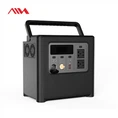
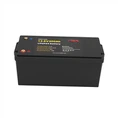
At our company, we offer a range of high-quality home batteries that are designed to provide reliable and efficient energy storage solutions. Our Sunnew 2304Wh High Capacity Lithium Iron Battery Accessories Solar Charging 800W Quick Charge Portable Power Station is a great option for homeowners who need a large-capacity battery for backup power or solar energy storage. With its high capacity and fast charging capabilities, this battery can provide reliable power for your home when you need it most.
If you're looking for a portable power station for outdoor use, our Sunnew Portable Outdoor Solar Energy System Power Station 700w Lithium Ion Portable Power Station is a great choice. This portable power station is lightweight and easy to carry, making it perfect for camping, hiking, and other outdoor activities. It also features a built-in solar charger, allowing you to recharge the battery using solar energy.
For homeowners who need a smaller, more compact battery for emergency power, our Sunnew 1229Wh Big Capacity Multi-function Emergency Power Supply Quick Charge Solar Charging 1000W Portable Power Station is a great option. This battery is designed to provide reliable power during power outages and other emergencies, and it can be charged using solar energy or a standard wall outlet.
Contact Us for Procurement
If you're interested in learning more about our home battery products or if you have any questions about battery degradation and maintenance, please don't hesitate to contact us. Our team of experts is available to answer your questions and to help you choose the right home battery for your needs. We look forward to working with you to provide you with the best energy storage solutions for your home.
References
- Arora, P., Zhang, Z., & White, R. E. (1999). Kinetics of lithium alloying and dealloying in graphite. Journal of the Electrochemical Society, 146(2), 354-361.
- Dunn, B., Kamath, H., & Tarascon, J. M. (2011). Electrical energy storage for the grid: a battery of choices. Science, 334(6058), 928-935.
- Goodenough, J. B., & Kim, Y. (2010). Challenges for rechargeable Li batteries. Chemistry of Materials, 22(3), 587-603.
- Li, X., & Yang, J. (2016). A review of lithium-ion battery state of charge estimation and management system in electric vehicle applications: Challenges and recommendations. Energy Conversion and Management, 127, 272-288.