


As a seasoned supplier in the home battery industry, I've witnessed firsthand the growing demand for efficient and reliable energy storage solutions. Home batteries play a crucial role in modern households, especially as more people embrace renewable energy sources like solar power. In this blog post, I'll delve into the fascinating process of how a home battery stores and releases DC (Direct Current) power.
Understanding DC Power
Before we explore the storage and release mechanisms, it's essential to understand what DC power is. Direct current is a type of electrical current where the flow of electric charge is in one direction. Unlike alternating current (AC), which periodically reverses direction, DC power provides a steady and consistent flow of electricity. Many electronic devices, including batteries, operate on DC power. Solar panels, for example, generate DC power when exposed to sunlight.
How a Home Battery Stores DC Power
The process of storing DC power in a home battery begins with the source of electricity. In most cases, this source is a renewable energy system, such as solar panels or wind turbines. These energy sources generate DC power, which needs to be stored efficiently for later use.
Charging the Battery
When the solar panels or wind turbines produce DC power, it is directed towards the home battery through a charge controller. The charge controller is a crucial component that regulates the flow of electricity into the battery. Its primary function is to prevent overcharging, which can damage the battery and reduce its lifespan.
The charge controller monitors the battery's state of charge and adjusts the charging current accordingly. For instance, when the battery is nearly empty, the charge controller allows a higher charging current to quickly replenish the energy. As the battery approaches full charge, the controller reduces the charging current to a trickle to avoid overcharging.
Battery Chemistry
The heart of the home battery is its chemical composition. Most modern home batteries use lithium-ion technology, which offers several advantages over other battery chemistries. Lithium-ion batteries have a high energy density, meaning they can store a large amount of energy in a relatively small and lightweight package. They also have a long lifespan and can withstand numerous charge and discharge cycles.
Inside the lithium-ion battery, there are two electrodes: a positive electrode (cathode) and a negative electrode (anode). These electrodes are separated by an electrolyte, which allows the flow of lithium ions between the electrodes during the charging and discharging process.
During the charging process, lithium ions are extracted from the cathode and move through the electrolyte to the anode. At the same time, electrons flow through an external circuit, creating an electrical current. This process stores the electrical energy in the battery as chemical energy.
Battery Management System (BMS)
In addition to the charge controller, a home battery also includes a battery management system (BMS). The BMS is responsible for monitoring and controlling various aspects of the battery's operation, such as temperature, voltage, and current. It ensures that the battery operates within safe and optimal conditions.
The BMS can detect any abnormalities in the battery, such as overheating or overvoltage, and take appropriate measures to protect the battery. For example, if the battery temperature exceeds a certain threshold, the BMS may reduce the charging or discharging current to prevent damage.


How a Home Battery Releases DC Power
Once the home battery has stored sufficient DC power, it can be used to supply electricity to the household. The process of releasing DC power from the battery involves several steps.
Discharging the Battery
When the household needs electricity, the DC power stored in the battery is released. The BMS and the charge controller work together to manage the discharging process. The BMS ensures that the battery is discharged at a safe and controlled rate, while the charge controller regulates the flow of electricity out of the battery.
During discharging, the lithium ions move from the anode back to the cathode through the electrolyte. At the same time, electrons flow through the external circuit, providing electrical power to the connected devices.
Inverting DC to AC
Most household appliances and electrical systems operate on AC power. Therefore, the DC power released from the battery needs to be converted into AC power. This conversion is done by an inverter, which is an essential component of the home battery system.
The inverter takes the DC power from the battery and converts it into AC power with the appropriate voltage and frequency. The AC power can then be used to power lights, appliances, and other electrical devices in the home.
Applications of Home Batteries
Home batteries have a wide range of applications, making them a valuable addition to any household. Here are some common uses of home batteries:
Backup Power
One of the primary applications of home batteries is to provide backup power during a power outage. When the grid goes down, the home battery can automatically switch on and supply electricity to essential appliances, such as lights, refrigerators, and medical equipment. This ensures that the household remains functional and comfortable even during an emergency.
Load Shifting
Home batteries can also be used for load shifting, which involves storing electricity during off-peak hours when the electricity rates are lower and using it during peak hours when the rates are higher. This can help homeowners save money on their electricity bills.
Renewable Energy Integration
For households with solar panels or wind turbines, home batteries are essential for integrating renewable energy into the electrical system. They allow homeowners to store the excess energy generated by the renewable energy sources during the day and use it at night or during cloudy weather.
Our Home Battery Products
As a leading home battery supplier, we offer a range of high-quality home battery products to meet the diverse needs of our customers. Here are some of our popular products:
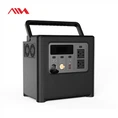
- Sunnew 1229Wh Big Capacity Multi-function Emergency Power Supply Quick Charge Solar Charging 1000W Portable Power Station: This portable power station is ideal for outdoor activities, emergencies, and off-grid living. It has a large capacity and can be charged quickly using solar panels.
- 600W Solar Portable Power Station: This power station is perfect for small to medium-sized households. It provides a reliable source of power and can be easily integrated with solar panels.
- 1200W Portable Solar Generator 1228Wh Lithium Battery Portable Power Station: This high-capacity power station is suitable for larger households and can power multiple appliances simultaneously. It uses lithium-ion battery technology for long-lasting performance.
Conclusion
In conclusion, home batteries are an essential component of modern households, especially as more people look for ways to reduce their reliance on the grid and embrace renewable energy. The process of storing and releasing DC power in a home battery involves several components, including the charge controller, battery chemistry, BMS, and inverter. By understanding how these components work together, homeowners can make informed decisions about their home battery systems.
If you're interested in purchasing a home battery for your household, we invite you to contact us for a detailed discussion. Our team of experts will be happy to assist you in choosing the right product for your needs and budget. Let's work together to create a more sustainable and energy-efficient future.
References
- Linden, D., & Reddy, T. B. (2002). Handbook of Batteries. McGraw-Hill.
- Doherty, R., O'Malley, M., & Strbac, G. (2010). Grid integration of large scale renewable energy. John Wiley & Sons.