



As a supplier of Power Wall Batteries, I've witnessed firsthand the growing interest in how these innovative energy storage solutions can impact electricity bills. In this blog, I'll delve into the science behind Power Wall Batteries and explain how they can lead to significant savings on your electricity expenses.
Understanding Power Wall Batteries
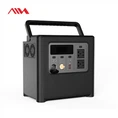
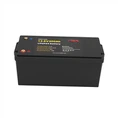
Power Wall Batteries are advanced energy storage systems designed to store excess electricity generated by solar panels or during off - peak hours when electricity rates are low. These batteries use lithium - ion or other advanced battery chemistries to store energy efficiently. For example, our 10KWH Lithium Battery Pack 48V 200Ah Lifepo4 Batteries Power Wall 10KW Battery Bank Power Supply is a high - capacity option that can store a substantial amount of energy for later use.
The basic principle of a Power Wall Battery is simple yet powerful. When your solar panels produce more electricity than your home or business is currently consuming, the excess energy is stored in the battery instead of being sent back to the grid. Similarly, if you are on a time - of - use electricity tariff, you can charge the battery during off - peak hours when electricity is cheaper and use the stored energy during peak hours when rates are higher.
Impact on Electricity Bills
1. Solar Self - Consumption
One of the most significant ways a Power Wall Battery affects your electricity bill is by increasing solar self - consumption. In a typical solar power system without energy storage, any excess electricity generated by the solar panels during the day is fed back into the grid. In return, you may receive a credit on your electricity bill through a process called net metering. However, the value of these credits is often lower than the cost of purchasing electricity from the grid during non - sunny hours.
With a Power Wall Battery, you can store the excess solar energy and use it later when your solar panels are not producing electricity, such as at night or on cloudy days. This means you rely less on the grid for your electricity needs, reducing your overall electricity consumption from the grid and, consequently, your electricity bill. For instance, if your home has a solar power system that generates 20 kWh of electricity per day, but you only consume 15 kWh during the day, the remaining 5 kWh can be stored in the battery. At night, instead of buying electricity from the grid, you can use the stored 5 kWh, resulting in direct savings.
2. Time - of - Use Tariffs
Many electricity providers offer time - of - use (TOU) tariffs, where the cost of electricity varies depending on the time of day. Typically, electricity rates are higher during peak hours (when demand is high) and lower during off - peak hours (when demand is low). A Power Wall Battery allows you to take advantage of these TOU tariffs.
You can charge the battery during off - peak hours when electricity is cheap and discharge it during peak hours when rates are high. Our Sunnew Power Wall Lithium Ion Battery Lifepo4 Batteries 48V 51.2V 50AH Lifepo4 Power Battery can be programmed to charge automatically during off - peak periods. For example, if off - peak electricity costs $0.10 per kWh and peak electricity costs $0.30 per kWh, and you use 10 kWh of stored energy during peak hours instead of buying it from the grid, you can save $2 on that 10 kWh of electricity.
3. Reducing Peak Demand Charges
Some commercial and industrial electricity customers are subject to peak demand charges. These charges are based on the highest level of electricity demand (in kilowatts) during a specific period, usually a month. High peak demand can significantly increase your electricity bill.


A Power Wall Battery can help reduce peak demand charges by providing stored energy during periods of high demand. Instead of drawing a large amount of electricity from the grid all at once, your facility can use the stored energy from the battery to meet part of the demand. Our Sunnew Power Wall 48v Lifepo4 Lithium Ion Battery 150Ah Solar Energy Storage Powerwall Battery has a high - power output capability that can effectively address peak demand situations. For example, if your business has a peak demand of 50 kW but you can use 10 kW of stored energy from the battery during the peak period, your peak demand charge will be calculated based on 40 kW instead of 50 kW, resulting in savings.
Factors Affecting Savings
1. Battery Capacity
The capacity of the Power Wall Battery you choose plays a crucial role in determining the amount of savings on your electricity bill. A larger - capacity battery can store more energy, allowing you to meet a greater portion of your electricity needs from the stored energy. However, larger - capacity batteries also come with a higher upfront cost. You need to carefully assess your electricity consumption patterns and solar generation capacity to determine the appropriate battery capacity for your needs.
2. Solar Power System Size
The size of your solar power system is another important factor. A larger solar power system will generate more excess energy that can be stored in the battery. If your solar power system is too small, there may not be enough excess energy to fully charge the battery, limiting the savings potential. On the other hand, an oversized solar power system may generate more energy than the battery can store, resulting in some energy being wasted if it cannot be fed back into the grid at a reasonable rate.
3. Electricity Tariff Structure
The structure of your electricity tariff, including the cost of electricity during different time periods and the presence of peak demand charges, will also impact the savings you can achieve with a Power Wall Battery. Understanding your electricity tariff is essential for optimizing the use of the battery and maximizing savings.
Calculating Potential Savings
To estimate the potential savings on your electricity bill with a Power Wall Battery, you can follow these steps:
- Analyze your electricity consumption: Review your past electricity bills to understand your daily, monthly, and seasonal electricity consumption patterns. Identify your peak and off - peak consumption periods.
- Evaluate your solar generation: If you have a solar power system, analyze the amount of electricity it generates throughout the year. Determine the average amount of excess energy produced during sunny days.
- Understand your electricity tariff: Familiarize yourself with your electricity tariff structure, including the cost of electricity during different time periods and any peak demand charges.
- Model the savings: Use an energy storage calculator or consult with a professional to model the potential savings based on your electricity consumption, solar generation, and tariff structure. The calculator will take into account factors such as battery capacity, charging and discharging efficiency, and the cost of the battery.
Conclusion
A Power Wall Battery can have a significant positive impact on your electricity bill by increasing solar self - consumption, taking advantage of time - of - use tariffs, and reducing peak demand charges. However, the actual savings will depend on various factors, including battery capacity, solar power system size, and electricity tariff structure.
If you are interested in exploring how a Power Wall Battery can benefit your home or business and reduce your electricity bill, we encourage you to contact us for a detailed consultation. Our team of experts can help you assess your specific needs, recommend the most suitable Power Wall Battery solution, and provide you with an accurate estimate of the potential savings. We are committed to providing high - quality energy storage solutions that not only save you money but also contribute to a more sustainable future.
References
- Kempton, W., & Tomić, J. (2005). Vehicle - to - grid power implementation: From stabilizing the grid to supporting large - scale renewable energy. Journal of Power Sources, 144(1), 280 - 294.
- Denholm, P., & Margolis, R. M. (2008). The impact of energy storage on the cost and performance of wind - energy systems. Energy Policy, 36(10), 3702 - 3710.
- Lund, H., & Mathiesen, B. V. (2009). Energy system analysis of 100% renewable energy systems - the case of Denmark in 2030. Energy, 34(5), 524 - 531.