


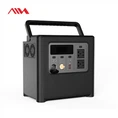
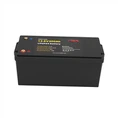

As a 48V battery supplier, I understand the importance of safe battery disposal. With the increasing use of 48V batteries in various applications such as electric vehicles, solar energy storage systems, and backup power supplies, it is crucial to handle their end - of - life phase properly. This blog will guide you through the steps of safely disposing of a 48V battery.
Understanding the Types of 48V Batteries
Before we discuss the disposal methods, it's essential to know the different types of 48V batteries. The most common ones are lead - acid batteries, lithium - ion batteries (including LiFePO4), and nickel - based batteries. Each type has its own chemical composition and characteristics, which determine the appropriate disposal approach.
- Lead - Acid Batteries: These batteries contain lead plates and sulfuric acid electrolyte. They are heavy and have been used for a long time in automotive and backup power applications. Lead is a toxic metal, and sulfuric acid is corrosive, so improper disposal can cause severe environmental pollution.
- Lithium - Ion Batteries: Lithium - ion batteries, especially LiFePO4 (lithium iron phosphate) batteries, are becoming more popular due to their high energy density, long cycle life, and relatively low self - discharge rate. They are used in electric vehicles, solar energy storage, and portable electronics. However, lithium can be reactive and cause fires if not handled correctly. For example, our 48V 100ah Lifepo4 Bms Inside Battery is a popular LiFePO4 battery in the market, and proper disposal is necessary to ensure safety.
- Nickel - Based Batteries: Nickel - cadmium (NiCd) and nickel - metal hydride (NiMH) batteries were once widely used. NiCd batteries contain cadmium, a highly toxic heavy metal, and their disposal is strictly regulated. NiMH batteries are a more environmentally friendly alternative but still require proper handling.
Safety Precautions Before Disposal
Before disposing of a 48V battery, several safety precautions should be taken:
- Inspect the Battery: Check the battery for any signs of damage, such as cracks, leaks, or bulges. A damaged battery is more likely to be unstable and pose a greater risk during disposal. If the battery is damaged, it may require special handling procedures.
- Discharge the Battery: If possible, fully discharge the battery to reduce the risk of short - circuits and thermal runaway. However, be careful when discharging, as some batteries may have specific discharge requirements. For lithium - ion batteries, over - discharging can damage the battery and cause safety issues.
- Wear Protective Gear: When handling the battery, wear appropriate protective gear, including gloves, safety glasses, and a face shield. This will protect you from potential chemical spills, acid splashes, or electrical shocks.
- Store the Battery Properly: If you cannot dispose of the battery immediately, store it in a cool, dry, and well - ventilated area. Keep it away from flammable materials and sources of heat or sparks.
Disposal Methods for Different Types of 48V Batteries
Lead - Acid Batteries
- Recycling: Recycling is the most environmentally friendly way to dispose of lead - acid batteries. Most of the lead and plastic components in these batteries can be recycled and reused. Many recycling facilities are equipped to handle lead - acid batteries safely. They will extract the lead, which can be refined and used to make new batteries, and the plastic can be recycled into other products.
- Collection Programs: Many automotive shops, battery retailers, and local waste management facilities offer collection programs for lead - acid batteries. You can take your used lead - acid battery to these locations for proper disposal.
Lithium - Ion Batteries
- Recycling: Lithium - ion battery recycling is still an emerging industry, but it is growing rapidly. Recycling can recover valuable metals such as lithium, cobalt, nickel, and manganese. Our Rechargeable Smart BMS Bluetooth Lithium Ion Battery 48v 100ah Lithium Battery Lifepo4 Battery can be recycled to reduce the environmental impact and conserve natural resources.
- Return to Manufacturer: Some battery manufacturers offer take - back programs. They will collect used batteries from customers and ensure proper recycling or disposal. Contact the manufacturer of your 48V lithium - ion battery to see if they have such a program.
- Specialized Recycling Facilities: There are specialized recycling facilities that are equipped to handle lithium - ion batteries safely. These facilities use advanced technologies to break down the batteries and recover the valuable materials.
Nickel - Based Batteries
- Recycling: Similar to other battery types, recycling is the preferred method for nickel - based batteries. Recycling can recover nickel, cadmium (in NiCd batteries), and other metals. Specialized recycling facilities can handle the complex chemical processes involved in extracting these metals.
- Regulatory Requirements: Due to the toxicity of cadmium in NiCd batteries, their disposal is strictly regulated in many countries. Make sure to follow all local regulations when disposing of NiCd batteries.
Legal and Regulatory Considerations
Disposing of 48V batteries is subject to various local, national, and international regulations. These regulations are in place to protect the environment and human health.
- Local Regulations: Check with your local waste management authority to find out about the specific regulations regarding battery disposal in your area. Some areas may have specific collection points or requirements for different types of batteries.
- National and International Standards: Many countries have established standards for battery recycling and disposal. For example, the European Union has strict regulations on the disposal of hazardous waste, including batteries. Make sure to comply with all relevant national and international standards.
The Role of Battery Suppliers in Safe Disposal
As a 48V battery supplier, we play an important role in promoting safe battery disposal.

- Education and Awareness: We provide information to our customers about the proper disposal methods for our batteries. We include instructions in the product manuals and on our website to ensure that customers are aware of the importance of safe disposal.
- Recycling Initiatives: We support recycling initiatives and work with recycling partners to ensure that our used batteries are recycled properly. For example, we may offer incentives for customers to return used batteries for recycling.
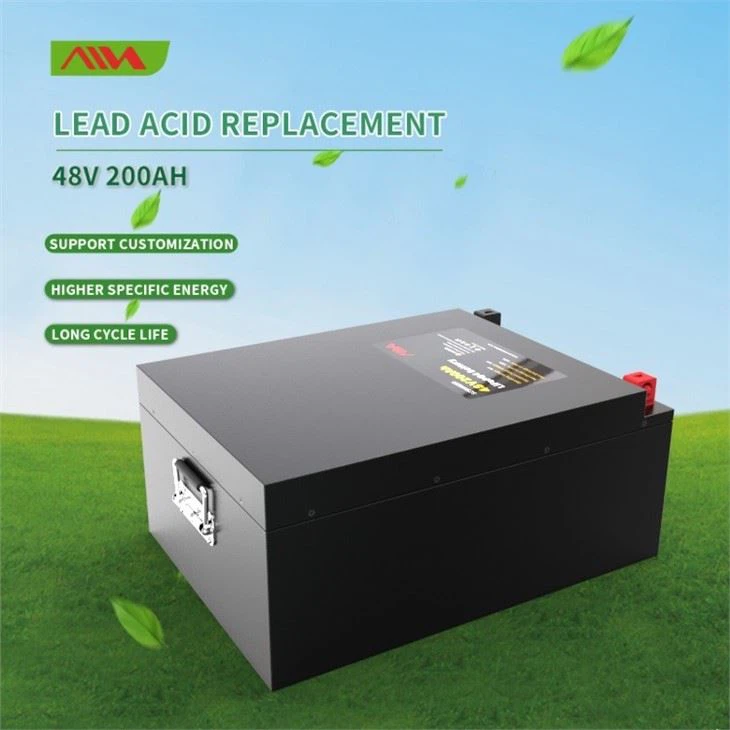
- Product Design for Recycling: We also consider the recyclability of our products during the design process. Our Deep Cycle 200ah 48v Lithium Iron Phosphate Rechargeable Lifepo4 Lithium Battery Pack is designed to be easily disassembled and recycled, which helps to reduce the environmental impact at the end of its life.
Conclusion
Safe disposal of 48V batteries is essential for protecting the environment and human health. By understanding the different types of batteries, taking safety precautions, following proper disposal methods, and complying with legal regulations, we can ensure that these batteries are disposed of in a responsible manner.
As a 48V battery supplier, we are committed to providing high - quality batteries and promoting safe disposal practices. If you have any questions about our products or battery disposal, please feel free to contact us for more information. We are also happy to discuss your battery procurement needs and provide you with the best solutions for your applications.
References
- "Battery Recycling Handbook", International Lead Association
- "Lithium - Ion Battery Recycling: A Review", Journal of Power Sources
- Local waste management regulations and guidelines