


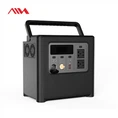
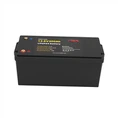

In the pursuit of energy efficiency and cost - savings, many homeowners are turning to home energy storage solutions. As a supplier of Powerwall batteries, I've witnessed firsthand how these devices can have a profound impact on electricity bills. In this blog, I'll delve into the various ways a Powerwall battery can affect your electricity expenses.
Understanding the Basics of a Powerwall Battery
A Powerwall battery is a rechargeable lithium - ion battery designed for home energy storage. It can store excess electricity generated by solar panels during the day or from the grid during off - peak hours. This stored energy can then be used when the demand for electricity is high or when the grid power is unavailable.
One of the key features of Powerwall batteries is their ability to work in conjunction with solar power systems. For instance, our Sunnew 10kwh Lifepo4 Battery 48V 200ah Power Energy Wall For Home Energy Storage System is specifically engineered to store large amounts of energy from solar panels. When sunlight is abundant, the solar panels generate more electricity than your home needs. Instead of sending this excess energy back to the grid (often at a lower rate), the Powerwall stores it for later use.
Peak and Off - Peak Electricity Rates
Most utility companies have a tiered pricing system for electricity, with higher rates during peak demand hours and lower rates during off - peak hours. Peak hours usually occur during the late afternoon and early evening when people return home from work, turn on their lights, air conditioners, and other appliances. Off - peak hours are typically at night when the overall demand for electricity is lower.
A Powerwall battery allows you to take advantage of these rate differences. You can charge the battery during off - peak hours when electricity is cheaper and use the stored energy during peak hours. This strategy, known as load shifting, can significantly reduce your electricity bill. For example, our Sunnew Power Wall Lithium Ion Battery Lifepo4 Batteries 48V 51.2V 50AH Lifepo4 Power Battery can be charged overnight and then power your home's essential appliances during the peak rate periods, saving you money in the long run.
Backup Power and Avoiding Outage Costs
Power outages can be costly, especially if they last for an extended period. During an outage, you may lose the use of essential appliances such as refrigerators, freezers, and medical equipment. A Powerwall battery provides backup power, ensuring that your home stays functional even when the grid goes down.
While the initial cost of a Powerwall battery may seem high, considering the potential savings from avoiding food spoilage, damage to electronics, and the inconvenience of being without power, it can be a wise investment. Our Lithium Ion Battery 51.2V 100ah 5kwh Power Wall For Home Solar System can provide enough power to keep critical appliances running for several hours, depending on your energy consumption.
Reducing Dependency on the Grid
By storing and using your own energy, you become less reliant on the grid. This reduced dependency can lead to long - term savings on your electricity bill. As you use more of the energy stored in your Powerwall battery, you draw less electricity from the grid, which means you pay less to the utility company.
Moreover, as the cost of grid - supplied electricity continues to rise over time, having a Powerwall battery gives you a measure of protection against these price hikes. You have more control over your energy costs and can insulate yourself from the volatility of the energy market.
Calculating the Savings
To estimate how much a Powerwall battery can save you on your electricity bill, you need to consider several factors. First, you need to analyze your current electricity usage patterns, including peak and off - peak consumption. You also need to know the cost of electricity in your area during different times of the day.
Let's assume you have a solar power system and your home consumes 30 kWh of electricity per day. During the day, your solar panels generate 20 kWh, but you only use 10 kWh. Without a Powerwall battery, the excess 10 kWh is sent back to the grid. With a Powerwall battery, you can store this 10 kWh and use it at night, reducing your grid consumption.
If the cost of electricity during peak hours is $0.30 per kWh and during off - peak hours is $0.10 per kWh, and you shift 10 kWh of consumption from peak to off - peak hours, you can save $2 per day. Over a year, this amounts to $730 in savings.
Considerations Before Purchasing a Powerwall Battery
Before you decide to purchase a Powerwall battery, there are a few things you need to keep in mind. First, you need to ensure that your home's electrical system is compatible with the battery. You may need to hire a professional electrician to install the necessary equipment and make any required upgrades.


Second, you need to consider the size of the battery. The size of the battery you need depends on your energy consumption, the capacity of your solar power system (if you have one), and your backup power requirements. A larger battery can store more energy, but it also comes with a higher cost.
Conclusion
A Powerwall battery can have a significant impact on your electricity bill. By taking advantage of peak and off - peak electricity rates, providing backup power, and reducing your dependency on the grid, you can save a substantial amount of money over time.
If you're interested in learning more about how our Powerwall batteries can benefit your home and reduce your electricity costs, I encourage you to reach out to us for a detailed consultation. We can help you determine the best battery solution for your specific needs and provide you with a customized quote.
References
- "Home Energy Storage: A Guide to Battery Systems." Energy.gov
- "The Economics of Home Energy Storage." Journal of Energy Economics