


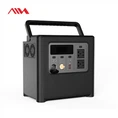
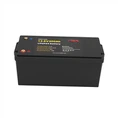

Hey there, fellow battery enthusiasts! As a supplier of AGM GEL batteries, I often get asked about how these powerhouses actually work. So, today, I'm gonna break it down for you in simple terms.
First off, let's talk about what AGM and GEL mean. AGM stands for Absorbent Glass Mat, and GEL refers to the gel - electrolyte inside the battery. These two types of batteries have some similarities but also some key differences.
The Basics of a Battery
Before we dive into AGM GEL batteries, let's quickly go over the basic concept of a battery. A battery is a device that stores chemical energy and converts it into electrical energy. It has two electrodes - a positive electrode (cathode) and a negative electrode (anode) - and an electrolyte that allows ions to move between the electrodes.
When a battery is connected to a circuit, a chemical reaction occurs at the electrodes. At the anode, oxidation takes place, which means that atoms lose electrons. These electrons flow through the external circuit, creating an electric current. At the cathode, reduction occurs, where atoms gain electrons. The electrolyte helps to maintain the flow of ions between the electrodes, completing the electrical circuit.
How AGM Batteries Work
In an AGM battery, the electrolyte is absorbed into a fine glass - fiber mat. This mat separates the positive and negative plates, preventing them from short - circuiting. The glass mat also holds the electrolyte in place, which means that AGM batteries are spill - proof and can be mounted in any position.
The positive plates in an AGM battery are usually made of lead dioxide, and the negative plates are made of pure lead. When the battery is charged, the lead dioxide on the positive plate and the lead on the negative plate react with the sulfuric acid in the electrolyte. The lead dioxide is reduced to lead sulfate, and the lead on the negative plate is oxidized to lead sulfate as well.
When the battery is discharged, the opposite reaction occurs. The lead sulfate on the positive and negative plates reacts with the water in the electrolyte, converting back to lead dioxide and lead, respectively, and releasing sulfuric acid. This chemical reaction generates an electric current that can be used to power various devices.
One of the great things about AGM batteries is that they have a low self - discharge rate. This means that they can hold their charge for a long time when not in use. They also have a high charge acceptance rate, which allows them to be recharged quickly.
How GEL Batteries Work
GEL batteries, on the other hand, use a gel - like electrolyte. The electrolyte is a mixture of sulfuric acid and silica, which forms a thick, jelly - like substance. This gel holds the electrolyte in place and also provides some cushioning for the battery plates.
The chemical reactions in a GEL battery are similar to those in an AGM battery. During charging, the lead dioxide on the positive plate and the lead on the negative plate react with the sulfuric acid in the gel electrolyte. When the battery is discharged, the lead sulfate on the plates reacts with the water in the gel, generating an electric current.
GEL batteries are known for their deep - cycling capabilities. They can withstand repeated deep discharges without suffering significant damage. This makes them ideal for applications where the battery needs to be discharged and recharged frequently, such as in solar power systems and electric vehicles.
Advantages of AGM GEL Batteries
Both AGM and GEL batteries have several advantages. They are maintenance - free, which means that you don't have to add water to them like you do with traditional flooded lead - acid batteries. They are also more resistant to vibration and shock, making them suitable for use in rough environments.
In addition, AGM GEL batteries are safer than flooded batteries. Since the electrolyte is immobilized, there is less risk of acid spills, which can be dangerous and corrosive. They also produce less hydrogen gas during charging, reducing the risk of explosion.


Applications of AGM GEL Batteries
AGM GEL batteries are used in a wide range of applications. They are commonly used in automotive applications, such as starting, lighting, and ignition (SLI) systems. They are also popular in backup power systems, like uninterruptible power supplies (UPS), to provide power during power outages.
For those interested in renewable energy, AGM GEL batteries are a great choice for solar and wind power systems. They can store the energy generated by solar panels or wind turbines during the day and provide power at night or when the weather is bad. If you're looking for high - performance batteries for these applications, you might want to check out our Deep Cycle 12V 200ah Lifepo4 BMS Inside, 12v 150ah Lifepo4 Solar Battery, and 12V 100Ah LFP Battery SNR12100.
Maintenance and Care
Although AGM GEL batteries are maintenance - free, there are still some things you can do to ensure their long - term performance. You should keep the battery terminals clean and free of corrosion. You can use a wire brush and some baking soda mixed with water to clean the terminals.
It's also important to charge the battery properly. Overcharging can damage the battery and reduce its lifespan, while undercharging can lead to sulfation, where lead sulfate builds up on the plates and reduces the battery's capacity.
Contact for Procurement
If you're in the market for high - quality AGM GEL batteries, I'd love to talk to you. Whether you need batteries for your automotive, backup power, or renewable energy projects, we've got you covered. Just reach out to us, and we can discuss your specific requirements and find the best battery solution for you.
References
- Linden, D., & Reddy, T. B. (2002). Handbook of Batteries. McGraw - Hill.
- Davis, T. (2010). Battery Technology Handbook. Newnes.